The idea for a post on the topic of spoilers and what makes them so awful came up while I was waiting on line to purchase my weekend pass at Marscon. The cute (and obviously new) couple in front of me was chatting about upcoming convention events with another man in a costume.
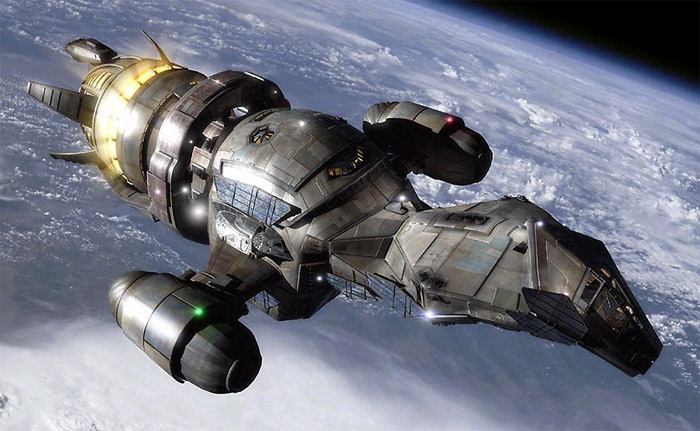
“Mikey Mason is performing on Saturday night. He does a funny song about Firefly” said Costume Guy.
“Oh, I haven’t seen Firefly yet, but I really want to,” the girl responded.
“Yes, I’m gonna fix that ASAP,” said her boyfriend.
“Well you HAVE TO LIKE IT,” Costume Guy intoned. He paused for a second and then said, almost belligerently, “And you have to cry when Wash dies.”
“DUDE!! Why did you do that??” cried the boyfriend.
Then Costume Guy actually smirked and said exactly what I knew he was going to say: “It’s been ten years. She should have seen it.”
So what exactly is a spoiler? How long should fans wait to discuss major plot points of their favorite entertainment in public to avoid spoiling them for others who may not have seen, heard, or read them? I have made it very clear on this blog how much I hate spoilers and why I hate them. I think that most people think of spoilers in two ways. Most people—especially fans—are very respectful and careful of spoilers in entertainment that has recently been released. No one wants to ruin a new movie for their friends. Those who don’t care personally if they ruin the ending for a someone else may just wish to avoid the condemnation they would receive from a group of people who had not yet enjoyed it.
 At the same time, many people seem to think that any piece of entertainment older than an arbitrary amount of time is fair game to be spoiled for anyone. Some even seem to want the attention, negative though it may be, that comes from the inevitable exclamations of protest. As I was composing thoughts for this blog, right before class, the student next to me began discussing the movie we would be watching this week for History of Russia, Anna Karenina. “Everyone dies!” he announced gleefully to the girl who had just explained that she was excited to see the movie since she hadn’t read the book, “Don’t even tell me, ‘How dare you spoil a 19th century novel.’”
On this subject geeks should beware falling into to the hipster trap. What is annoying about hipsters is not that they enjoy media outside the mainstream, but their superior attitude and the fact that they sneer at and refuse to educate those who are ignorant of these so-called alternative works. The feeling of superiority over the nouveau geek who hasn’t mourned the loss of everyone’s favorite firefly class pilot is alluring and addictive, but it can be an even more incredible feeling to watch someone else experience your favorite show or movie for the first time.
I believe that it is just as discourteous to deliberately ruin the plot of a piece of entertainment that is decades old to a person who has already expressed a wish to see or read it as it is to ruin the plot of something new. In the case of my Marscon example, I really wanted to slap Costume Guy before he walked away. (I probably would have, if I weren’t wearing my Therefore I Geek t-shirt to represent the blog.) This also goes for readers of book series that have recently been made into movies or TV shows. The readers of The Hunger Games should not spread spoilers about the plot on message boards designed for fans of the movies. I find the A Song of Ice and Fire readers who deliberately campaigned to spoil the Red Wedding for people who only watch the HBO show particularly loathsome.
 At the same time, geeks who have not yet seen the entirety of Dr. Who are responsible to avoid spoilers of old seasons that may be available on the internet. It is just as ridiculous for someone who doesn’t know the name of the tenth doctor to complain that someone has spoiled Rose Tyler’s fate on a message board somewhere, as it is for Costume Guy to spitefully spoil the ending of Serenity for someone who has stated that she wants to see it.
My point here is that, just as it is common courtesy to avoid spoilers of new material, it is also polite to avoid spoiling (especially maliciously) the plots of things other geeks have yet to enjoy, if they are planning to. When Andrew and I have conversations about A Song of Ice and Fire (Game of Thrones), I am very careful to avoid discussing the plot of the books beyond where he has read. Likewise, he did not spoil Serenity for me before I had a chance to watch it. Wash’s death would have done very little for me if I had known about it beforehand. As it was, I identified and empathized with the character only to be punched in the gut (as was he).
Have you had a big moment in a movie, TV show, or book ruined? Tell us about it in the comments.



 Therefore I Geek