Tag Archives: Marvel

Around the Web January 31, 2014

Welcome to the end of January! We’ve made it through the first month of a new year and so far so good. Let us celebrate survival with a new Around the Web.

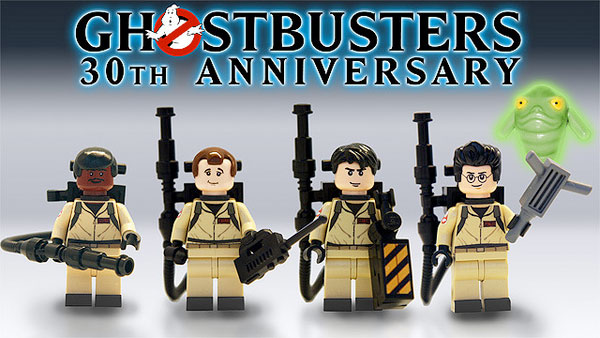
As a grown man, I am not ashamed to say I still play with Legos. When I’m feeling like I really suck at being an engineer, I’ll go pick up a small set and put it together and it usually makes me feel better about my engineering skills.  Now the Lego Cuusoo program has announced a new set I won’t be waiting to get, Ghostbusters. That’s right, everyone’s favorite paranormal investigation and extermination professionals will soon be available in Lego form.

Who you gonna call?

Who you gonna call?

I think I know just the place for them.

BGR is reporting that there is a “verified insider” leaking some very juicy information about the Xbox One’s future. The information first appeared on the NeoGAF forums and gives us some interesting (and hopefully true) tidbits. Among the most interesting is that there is a $399 Xbox One coming, but that it won’t include an optical drive. I’ve got mixed feelings about that. I don’t really need the optical drive for games, as I’ve been embracing digital downloads lately, but having the Xbox as a Blu Ray player would also be nice.

xbox one

Now we will just have to see how much of this rumor actually turns out to be accurate.

Marvel Universe LIVE! will be a live action stage production featuring many of our favorite Marvel heroes. Marvel has recently released some information concerning the plot and it looks interesting. The show will revolve around members of the Avengers attempting to gain pieces of the Cosmic Cube (the Tesseract from The Avengers and Captain America) so they can defeat Loki. In the process they will battle several other recognizable Marvel villians like Doc Oct, Red Skull and the Green Goblin.

I’m already look at which day I want to go see this. It happens to be coming to a town near me.

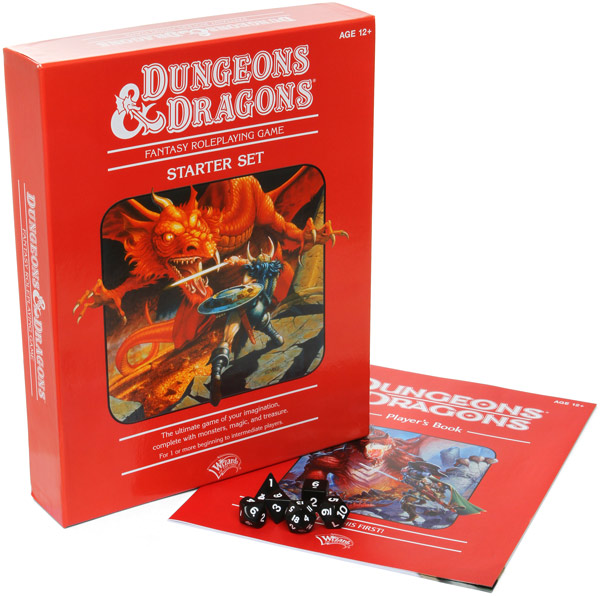
What kind of Geeks would we be if we let the 40th birthday of Dungeons and Dragons slip past us without recognition?  For many of us, this is the game that started it all and A Guide to Geekdom provides a nice history of D&D in addition to the author’s own personal experiences with the game.

red box dungeons and dragons

Personally I haven’t ever played the game, though I’ve recently been looking into finding a group and learning how.

2 Comments

Filed under Around the Web

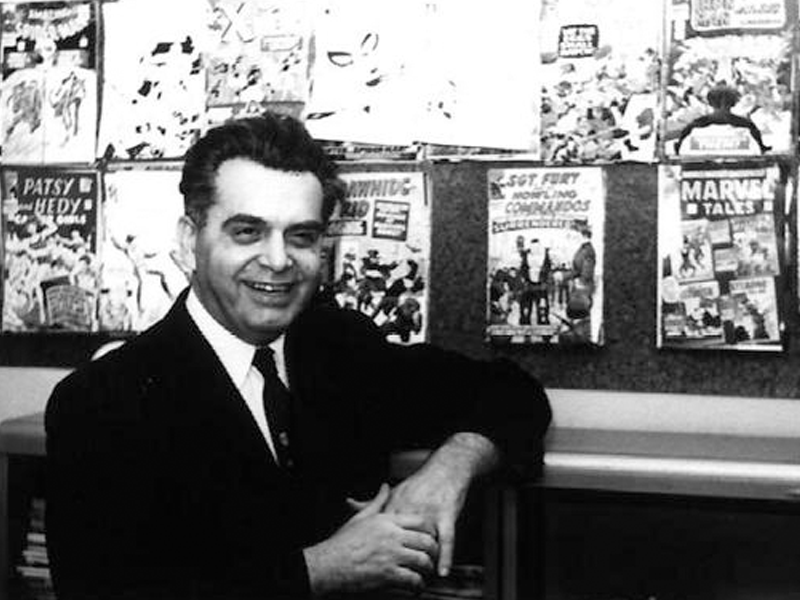
Stan and Jack

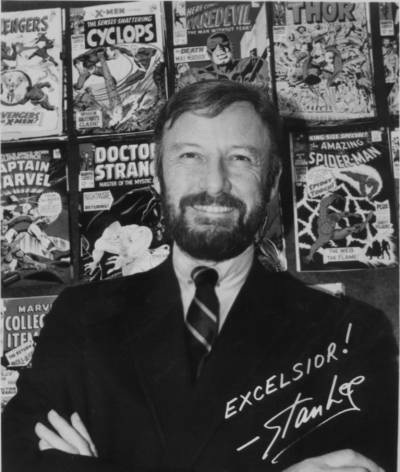
Aside from those of its beloved characters, Marvel itself has an amazing origin story.  In November of 1961 Stan Lee and Jack Kirby released the first issue of Fantastic Four. Soon the two had several more titles under their belts such as Iron Man, The Incredible Hulk, The Avengers and The X-Men.  All the while the two men worked together using the Marvel method of writing comics, which was born more out of necessity than anything else. The Marvel method consists of a writer giving a brief outline of the issue to the artist, the artist plotting out the story, and the writer coming back and adding in all the dialogue to match both the art and plot summary.  In the 50’s Stan was Editor-in-Chief and writing nearly all of Marvel’s comics, which required him to cut corners, hence the plot summaries—some of which were only a paragraph or two long. This has unfortunately lead to a rather ugly fight between Stan and Jack (and now Jack’s estate).

The underlying problem is that the Marvel method leaves quite a bit of room when it comes to determining who really gave these characters their shape. On one hand it is possible that Stan provided Jack with fairly clear details and descriptions for these characters in his summaries and that while Jack certainly added something to them, it was mostly based on what Stan had provided him.  It is also just as likely that Stan was somewhat vague on the details, as was often the case, and that it was Jack that filled in the missing parts in order to really flesh out the characters. With the exact details of events lost to history, it’s pure speculation at this point as to what actually happened.

Stan 68 bw

Over the last few decades the tension between the two has led to a growing schism among fans of classic Marvel comics, with fans picking sides between Jack and Stan (Teams Edward and Jacob can suck it!). For a very long time there was a general public consensus that Stan was responsible for most of Marvel’s characters in large part because Stan was both the public face of Marvel and was much more personable than Jack. Newspaper interviews would go on and on about how wonderful Stan was while dedicating only a paragraph or so to Jack, often describing him in unflattering and sometimes insulting terms. It’s much easier to give credit to someone who is amiable and intentionally doesn’t correct people when credit is given erroneously. I can’t imagine that in the beginning Stan went out of his way to discredit Jack, though it is apparent that he made little, if no attempt to correct people.

jack-kirby-museum

Of course Jack is not wholly without blame in this circumstance. There is some evidence that makes me believe that Jack was never a big fan of Stan’s. This stems from years earlier when Jack was fired from Timely Comics (the predecessor of Marvel) because he and Joe Simon were going to a hotel during their lunch breaks to do work for DC. The publisher of Timely (Stan’s cousin) found out about their deal shortly after a very young Stan began tagging along for their lunch time sessions, and Jack and Joe both blamed Stan for this discovery. Years later, both Joe and Jack would be working for Stan, a position, I’m sure, in which neither was thrilled to be.  Towards the end of his life Jack also made grandiose claims that he was solely responsible for the creation most of the Marvel characters created during the 60’s.

When it comes to actual ownership rights, I must admit I fall into the crowd that says Marvel has the rights.  Certainly I am no legal expert, but given the circumstances under which the work was done, it seems that Jack was hired to do specific work for Marvel and that at the time Marvel had expectations that they would own the work. No one ever expected comics to become the industry they are today, with multi-million dollar blockbuster movies and these characters plastered on thousands of products. Even though they are masterfully crafted, these were still just stories for kids. It seems more than a little revisionist to look back from today and say that these men should have known better and that contacts should have been made clearer with rights explicitly delineated.  There was just no way of knowing.

Although I believe Marvel owns the rights, there is still the matter of doing the right thing. There is no excuse for the way Marvel, as a corporation, treated Jack; and as the head of Marvel, Stan had an ethical responsibility to put a stop to it, and he didn’t.  From the rejection of requests to return old original pages, to the blatant refusal to grant any credit to Kirby, Marvel did the wrong thing every chance they got.

This is too often the case when it comes to older creators who never expected their work to amount to anything other than an immediate paycheck.  Both Marvel and DC have made considerable sums off the characters and have shown very little compassion and respect to the men who created them.  The whole situation is made worse by the fact that Jack Kirby is not alone in this situation.

In the end, I think Stan began to believe his own hype and Jack became overly bitter.  During a radio interview on his birthday, Jack Kirby received a phone call from Stan, calling to wish him a happy 70th birthday on the air.  To me this shows that somewhere inside, Stan had an affection and respect for Jack and the work they did together and that maybe if Stan had stopped with the birthday greeting, it might have been the first step towards mending fences. But Stan, always the self-promoter, couldn’t stop there, and once again had to throw some barbs at Jack. It is a great shame that even by the time that Kirby died, these two men couldn’t come close to seeing eye to eye.

I believe that Stan and Jack are both right and both wrong. Given the unique method in which the Marvel method works, it had to have taken a collaborative effort to make these wonderful comics. Stan provided some great ideas which Jack improved upon with some of his own ideas and both men shaped the final product. While both men have had some level of success separately, neither has come close to the magic they achieved together.


Links:

Interview with Jack Kirdy on his 70th birthday – Stan enters the conversation at minute 19, and throws barbs at minute 33:30.

Marvel Comics: The Untold Story – Provides even more details about how Marvel worked behind the scenes. Highest possible recommendation.

Jack Kirby Museum – Working to create a permanent museum dedicated to the work of Jack Kirby.

4 Comments

Filed under Andrew Hales, Comics, Comics History

Event Comics

With Marvel’s latest Infinity event wrapping up I started considering what makes a good comic event. Since I started reading comics seven years ago I’ve lived through more than my share of comic events; some of them good, and some of them not so good. I have found that all events of quality seem to share certain characteristics that help them succeed while others fail.  A quality, well written plot, characters you care about, consistency, and events that actually matter, all aid in making a great comic event.

Comics can easily be broken up into two parts:  art and story.  While these two often go hand in hand, event comics are most often driven by story. It’s extremely difficult to carry a story with just art (though not impossible).  There have been great comic issues that are more about the art then they are the story, but they tend to be one or two issues at most.  
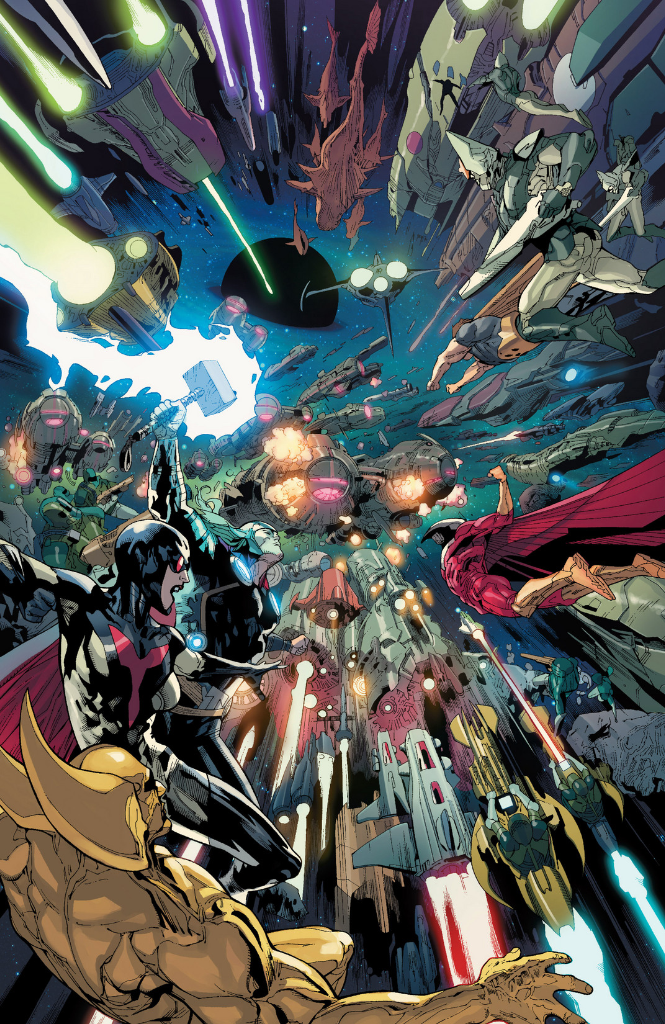
Talk about epic.

Talk about epic.

Infinity is a great example of how the story, rather than the art, carries the event. Since all three books involved were written by Johnathan Hickman, there is a universe-spanning story with all kinds of interwoven parts that make for a truly engrossing story.  Hickman creates entire universes within the series he writes and connects them in surprising ways. This is one of the reasons I love reading his work.  It takes a long time, but the payoff at the end is well worth it.
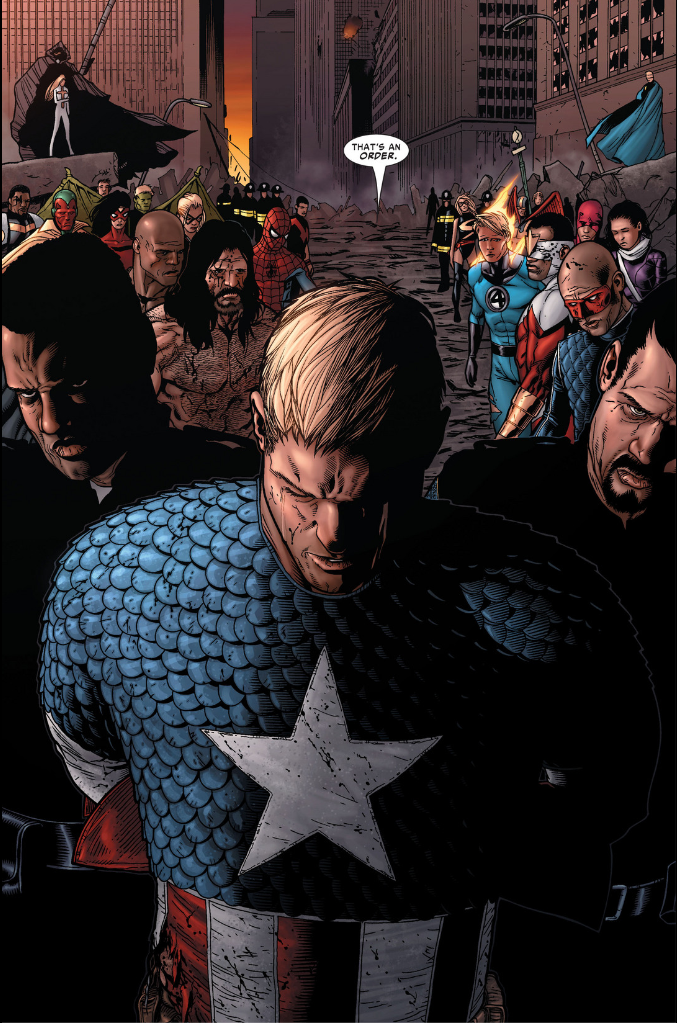
Seven issues wrapped up in seven pages...Seriously!?

Seven issues wrapped up in seven pages…Seriously!?

I’ve also been pleased that with recent events, especially at Marvel, there has been a concentrated effort to avoid selling the ending short.  Nothing is worse than a writer creating a masterful storyline, and then trying to wrap up the epic story in two pages.  For the first couple years I read comics, Marvel was particularly bad at this, with the most egregious examples being Civil War and World War Hulk.  Both were pretty solid stories, but as I read the last issue I kept expecting the story to start wrapping up. Unfortunately the end didn’t come until I was almost done with the book. Instead of a real ending, Marvel then wrote a small mini-series to end the event, which seemed far too drawn out. For the life of me, I can’t figure out why they didn’t just put that material into the event itself.  It would have flowed much better.

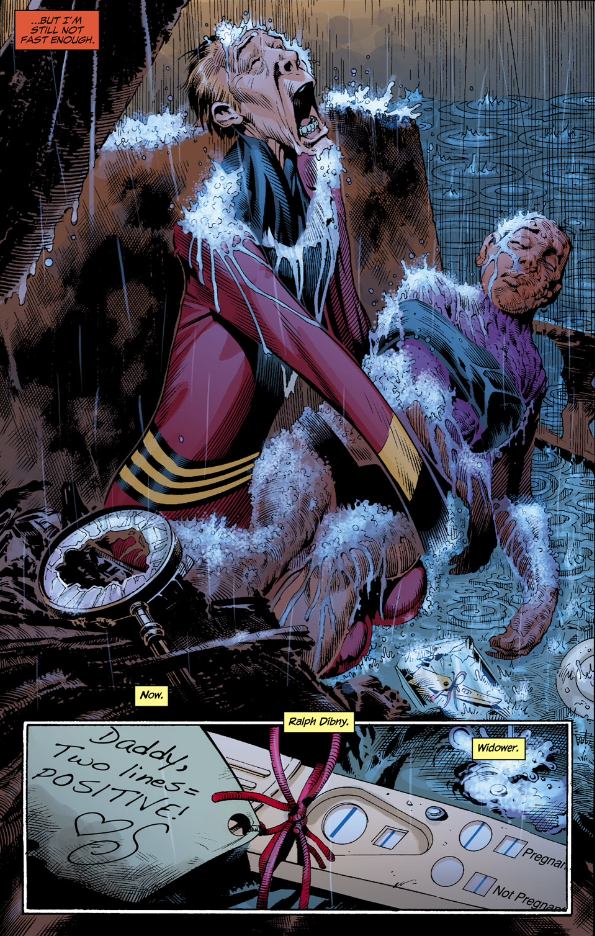
I can’t deny that I love epic tales like Infinity, but I’m also very open to more intimate stories (get your mind out of the gutter). I can be drawn into a story that is almost completely character driven as opposed to action driven. If a writer really knows the characters they are developing, then they can make you feel for the character and take him to emotional depths that are unexpectedly satisfying for the reader.  Identity Crisis does just that by taking many of the second tier Justice League heroes and throwing them into some horrible situations to see what happens. I originally read this story arch about six months after getting into comics and it was very impressed by how much I found myself caring about characters, about whom I knew nothing before opening the book.  This kind of character driven writing can be just as enjoyable as epic events and is often far more compelling.  
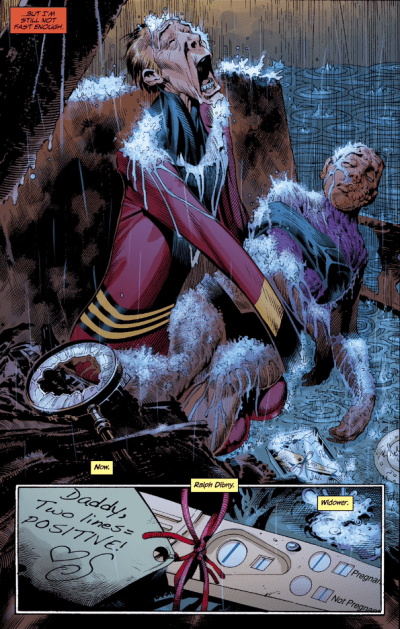
First time I read Identity Crisis I had no idea who these characters were, but I really felt for them anyways.

First time I read Identity Crisis I had no idea who these characters were, but I really felt for them anyways.

Many times I’ve heard fans complain that they just don’t care about specific comic events and that frequently lack of caring is due to the characters. I know that I have skipped an event simply because the characters don’t interest me. It’s not so much because they’re characters I don’t know, but often it’s because they’re portrayed in a way I don’t care for. Maybe things seem out of character, or they’re just doing things I don’t find interesting so I’ve stopped reading. On the flip side of this, I’ve also read stories that followed characters that I didn’t know existed. A great example of this is DC’s 52 (not to be confused with The New 52).  52 was a year without Superman, Batman, and Wonder Woman following the events of Infinite Crisis, and instead it followed characters such as Black Adam, Booster Gold, The Question and Batwoman. These were all minor DC characters but I became completely engrossed in their story and wanted more.

Sure a great plot can get the reader interested, but if the characters around which this plot revolves doesn’t keep him interested, then the whole thing is pointless. The one thing I can’t stand is when minor characters are included in stories in ways that don’t matter to the plot line. Frequently this is done via tie-in stories. Sometimes these can be great, like Civil War: Wolverine, but more often than not they are just an attempt to maximize the sales boost that typically accompanies events.  I have no problem including these characters in the story.  In fact I often like it when they’re done right.  It gives me a chance to get to know them and expand my horizons. All I ask is that the author keep them interesting and relevant to the plot line.

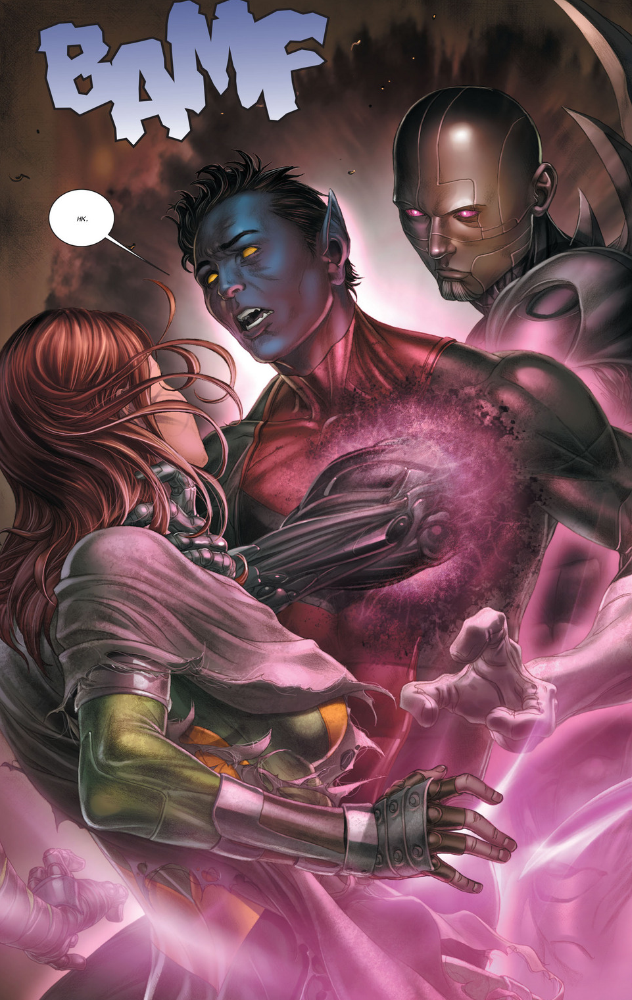
When it comes to event comics, the absolutely number one issues I’ve heard people complain about is that “it doesn’t matter.”  So often it feels like an event will wrap up with some big, universe changing occurrence, only to have that undone by the next event.  Or worse, the whole event that appeared to have an impact turns out to just be a lead in to yet another event like DC’s Trinity War.  In the world of comic books, things are ever changing. Characters die and are subsequently brought back all the time. This is the world of modern comic and the status quo isn’t going to change any time soon, so fans just need to accept it and move on.  Having said all of that, if writers are going to do something like kill off or bring back a character, it needs to be done in a way that means something or serves a purpose.  In a recent tie-in to Avengers Vs. X-Men, they brought back and then killed off Captain Marvel over the course of a couple issues for no other reason than they could.  This served absolutely no purpose and only really served to diminish the character to the level of expendable.  I want to see writers do interesting things, to take chances and to further characters, and I fully acknowledge that there are times that in order to accomplish this characters must be sacrificed or resurrected, but do it should be done for a reason, not purely for shock value.  The sacrifice of Nightcrawler during Second Coming is a positive example of how the death of a character can used to great effect.  Nightcrawler died keeping Hope away from the Sentinal Nimrod.  This served to impress upon the reader how important Hope was the X-Men and also managed to throw the X-Men into further chaos as they tried to cope with the loss of a lynchpin of the team.
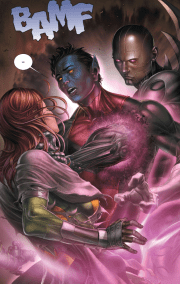
I got a little choked up.

I got a little choked up.

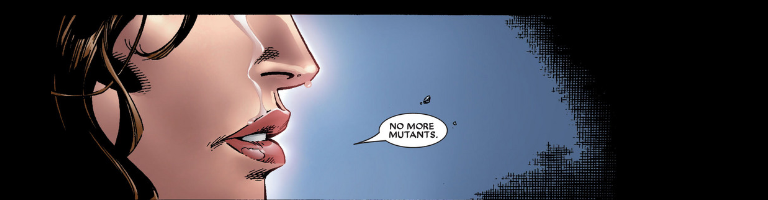
Making things matter doesn’t just apply to individual characters, but also to the universe as a whole.  I don’t expect every event to completely rewrite the universe, but I like it when I read something that doesn’t make me feel like my time was wasted.  In my opinion, House of M does this best.  With three simple words, “No more mutants,” Scarlet Witch undoes everything that has happened in House of M and at the same time completely alters the Marvel landscape.  Only recently, at the end of Avengers Vs. X-Men, was a solution found to Wanda’s actions.  Not only was this a great and simple plot twist (i.e. good writing) but its consequences lasted far longer than most readers would have expected.  It took a little over seven years for things to finally come full circle, which is an eternity in modern comics. This is the kind of epic event that makes comics soap operas for geeks.

One panel changed everything.

One panel changed everything.

One of biggest crimes that a comic event can commit is to lack consistency.  A comic event is supposed to be one unified story, so why is it that there are frequently eight different writers and then another eight different artists? Ok, so this might be a little exaggeration, mostly, but my point is that a solid team must be on board for these events. This may unfortunately mean that the ideal artist isn’t available because they can’t do a monthly book for six months.  It would be preferable that they do some of the smaller series, maybe a tie-in or a one shot.  I would much rather see them this happen than to have a third of the event’s pages drawn by different artists all trying to copy someone else’s style. This kind of inconsistency really becomes jarring and pulls me out of the story. The biggest reason I read comics is the fantastic mix of art and story and when those two don’t mesh or there are blaring inconsistencies in either it’s disappointing. Writers, please note I said both.  If writers aren’t meeting their deadlines, then artists can’t meet theirs and then comics have to use fill in artists. Even the best artists still require time to perform their part.

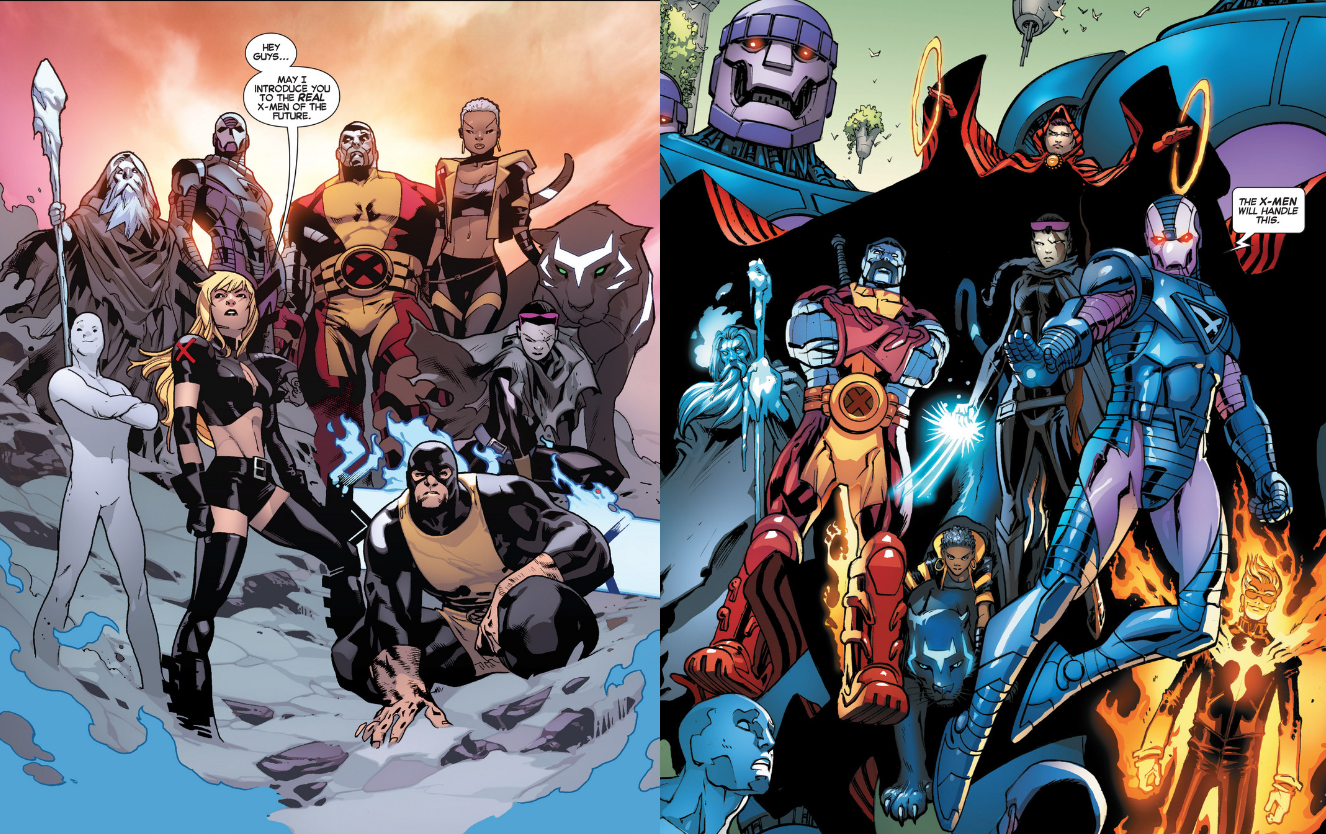
There are, of course, times when having a mix of writers and artists is perfectly fine, but those are the exceptions rather than the rule. Typically those times are when an event doesn’t not have an overarching book, like Marvel’s recent Battle of the Atom did. Battle of the Atom had two issues acting as book ends, but otherwise the action took place within All-New X-Men, Wolverine and the X-Men, Uncanny X-Men, and X-men. This event was written by three different writers (Bendis, Wood, and Aaron) with art by four different artists (Immonen, Lopez, Bachalo, Camuncoli) but it worked because they maintained a consistent level of quality. This quality was also aided by the uniform vision that was guided by Brian Michael Bendis who wrote All-New X-Men, Uncanny X-Men, as well as the event bookend issues.
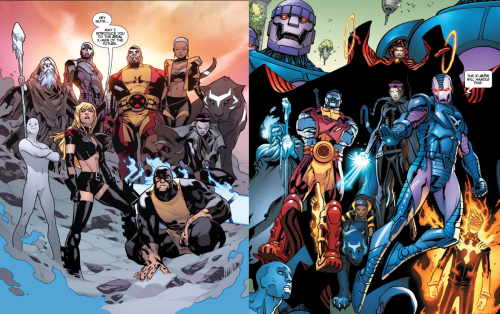
Two different takes on the same characters, but both look great.

Two different takes on the same characters, but both look great.

With consumers still trying to watch what they spend it’s difficult for these event comics. Those that have managed to balance storytelling, likable characters, consistency and events that matter are the ones we remember, while those that couldn’t get forgotten. It’s a good thing I enjoy most event comics because the reality is that they aren’t going away any time soon.  Publishers see them not only as a way to tell a great story but also as a method of driving up sales.  Although I would like to think that storytelling is the only thing driving publishers, I’m more realistic than that. I promise that I’ll keep buying them as long as they keep writing good ones.  That way everyone wins. 
Leave a comment

Filed under Andrew Hales, Comics

Why I love Wednesday

Wednesday is the best day of my week—and no, it’s not because it’s “hump day.” (If you bring up the Geico commercial, I will hurt you.)  Don’t get me wrong, I’m glad my week is half over, but the main reason I’m excited for Wednesday is that it’s New Comic Book Day:  the greatest of all days.

As someone who loves comics, Wednesday trips to my local comic book store have taken an almost religious connotation. I go at nearly the same time every week, to the same store, by the same route, much as other people go to church. Not that I think reading comics is the same as going to church, but the consistency with which comic lovers show up, week in and week out, does draw a few parallels.

I look forward to new comics all week, because I can’t wait to see what is going to happen next. I usually tease myself early in the week by looking over Midtown Comics’ list of what is coming out in the week. I peek at covers and try to guess what might be happening inside, knowing full well that covers rarely give things away anymore.  Sometimes I’ll read the little blurb telling me what the comic is about, but I usually try not to spoil them too much. I want to read the comic unbiased in order to draw my own conclusions.

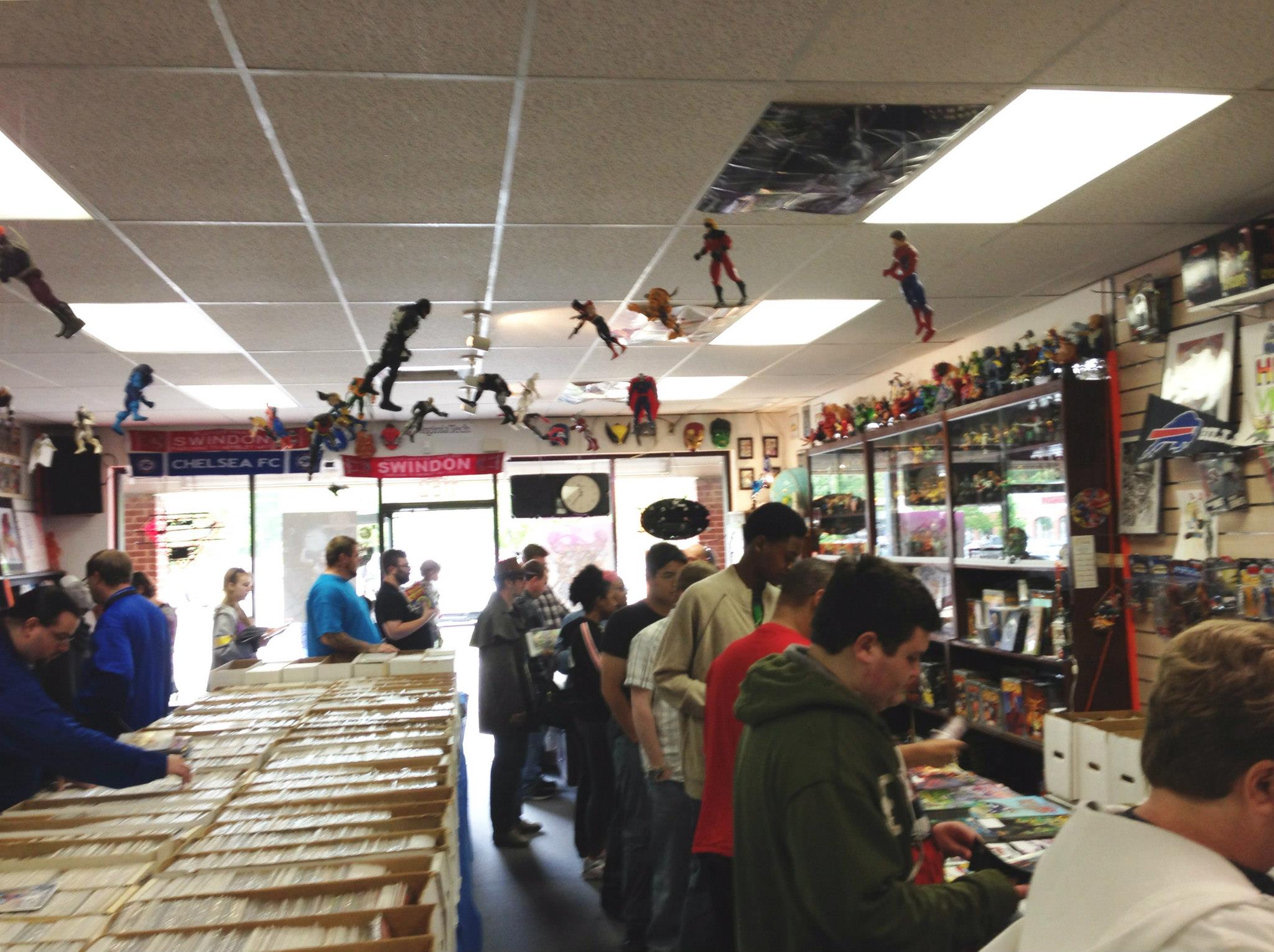
Geeks being Geeks, together.

Geeks being Geeks, together.

New Comic Book Day also provides me with a chance to be social in a community dedicated to an activity which lends itself to solitary participation.  Aside from the store owner, who always provides lively conversation, there are plenty of other folks present.  The best part is that I know they are all there for the same reason I am! While we may not be the most naturally social group, we can sure go on about new comics. We talk about what we like and don’t like, the latest gossip or rumor to come from publishers, and books that we’ve enjoyed that we think other people might also be interested in. Some days I have to get my books and leave pretty quickly, and don’t get much time to talk, but other days these conversations can go on for well over an hour.

When I get my new books in hand I give them a quick thumb through to see what they’re all about. Usually I save this for when I get in the car, but there are some books (like Saga) that I just can’t wait to take a look at, and so I check them out as soon as I get them in my hands.  This is mostly to satisfy myself while I drive home.  My local comic book store is a little bit of a drive from my house, so I have to be patient before I can read my comics. Once I get home though, there’s no stopping me. I read my favorites first and then I’ll switch to whatever grabs my eye. Typically I’ll take all the issues that come with digital copies, enter in the codes, and then read them all together. I’m not as good about reading those that don’t have codes (sorry DC), but if they are something good, like Batman I’ll still dive into them.

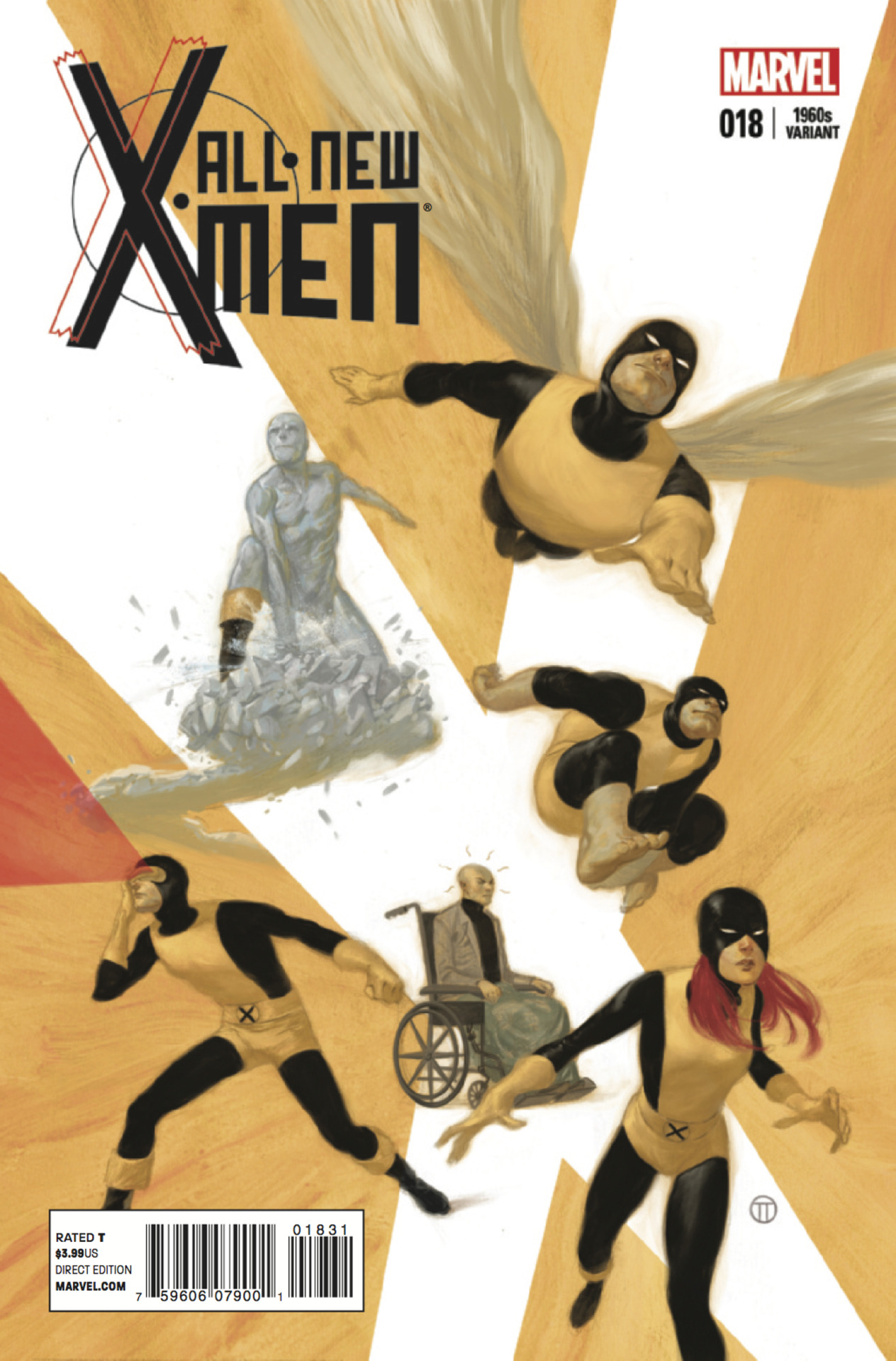
Comics are suspenseful by design. The fact that there is a continuing story—not unlike that of a soap opera—and that we have to wait a month between issues (except All-New X-Men, which comes out every eighteen seconds) cliff hangers are almost a given. This keeps fans coming back week after week, and month after month, just to see if Spider-Man will be able to overcome whatever foe has a diabolical scheme this time. By the time I have finished my stack I am already super excited to see what is going to happen next month, but I have to be patient and wait it out.

Issue 18 came out 6 minutes after issue 1. I don't know how that happened.

Issue 18 came out 6 minutes after issue 1. I don’t know how that happened.

I try to enjoy life’s simple pleasures as much as possible and New Comic Book Day is one of those.  No matter what kind of day I’ve had, I can always sit down on my couch in some comfy cloths with a nice cup of tea and make my day better, just by reading some brand new comics and losing myself in their wonderful stories.

Leave a comment

Filed under Andrew Hales, Comics