Tag Archives: comics

Around the Web June 15, 2013

In the Winning Science post this week, I was wondering what awesome things the Japanese knew that the rest of us hadn’t quite figured out yet.  This is NOT what I had in mind.  Even for the Japanese, this one is pretty weird.

Image

I didn’t realize that the Japanese even had emo bands.  Now I feel guilty, they send us nice cars, tvs and video games and in return we send them emo bands.  I think they’re getting the short end of the stick.

I want this yacht that turns into a submarine.  If I saved all my money, I figure I could probably afford this in a couple millennia.

12609448-1685-48b8-85a5-fe6d5f241dc8_1

And now, in honor of the release of Man of Steel, here is Superman! (from around of the web, of course)

supeman logo wallpaper 02

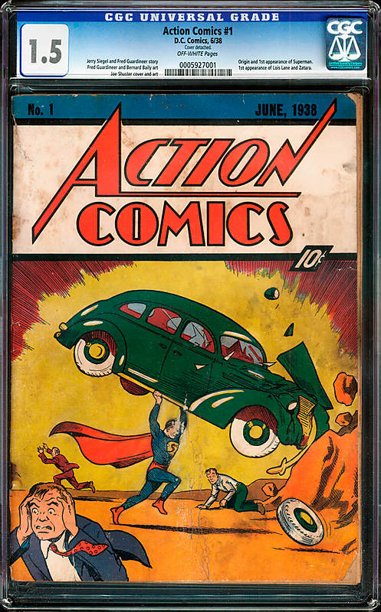
I understand that everyone gets lucky some at some point, and that some people are more lucky than others, but this is ridiculous.

action-comic-jpg_034345

Last time I put a hole in my wall, all I found was that super itchy pink insulation. Not fair.

While Superman is an important character in the DCU, his other important contribution is as a brand.  I’m sure you’ve seen the sheer volume of Superstuff that has been available lately.

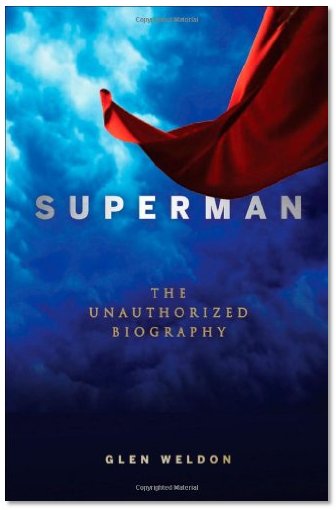
Also, if you’re a Superman fan, you absolutely must listen to Paul Montgomery and Glen Weldon talk about Weldon’s new book Superman: The Unauthorized Biography, its pretty amazing.

supermanbio

Leave a comment

Filed under Around the Web

Being Wrong Never Felt So Good

Now, I don’t know about you, but I love being right.  I love being the person who has the correct answer; the one who picks winners.  (I still can’t figure out sports though, I’ve gotten every World Cup Final wrong.)  Even when it comes to comics I love to be the person who knows what plotline will work, which author will do a great job on what books, and even which books will succeed.  Having said that, I have never before been so happy to be completely and utterly wrong.

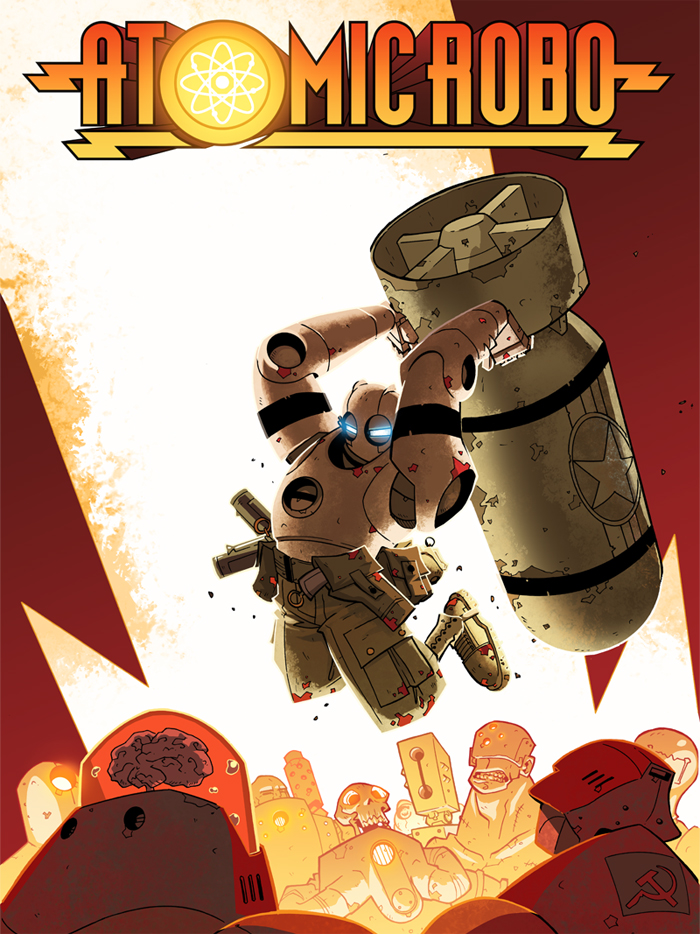
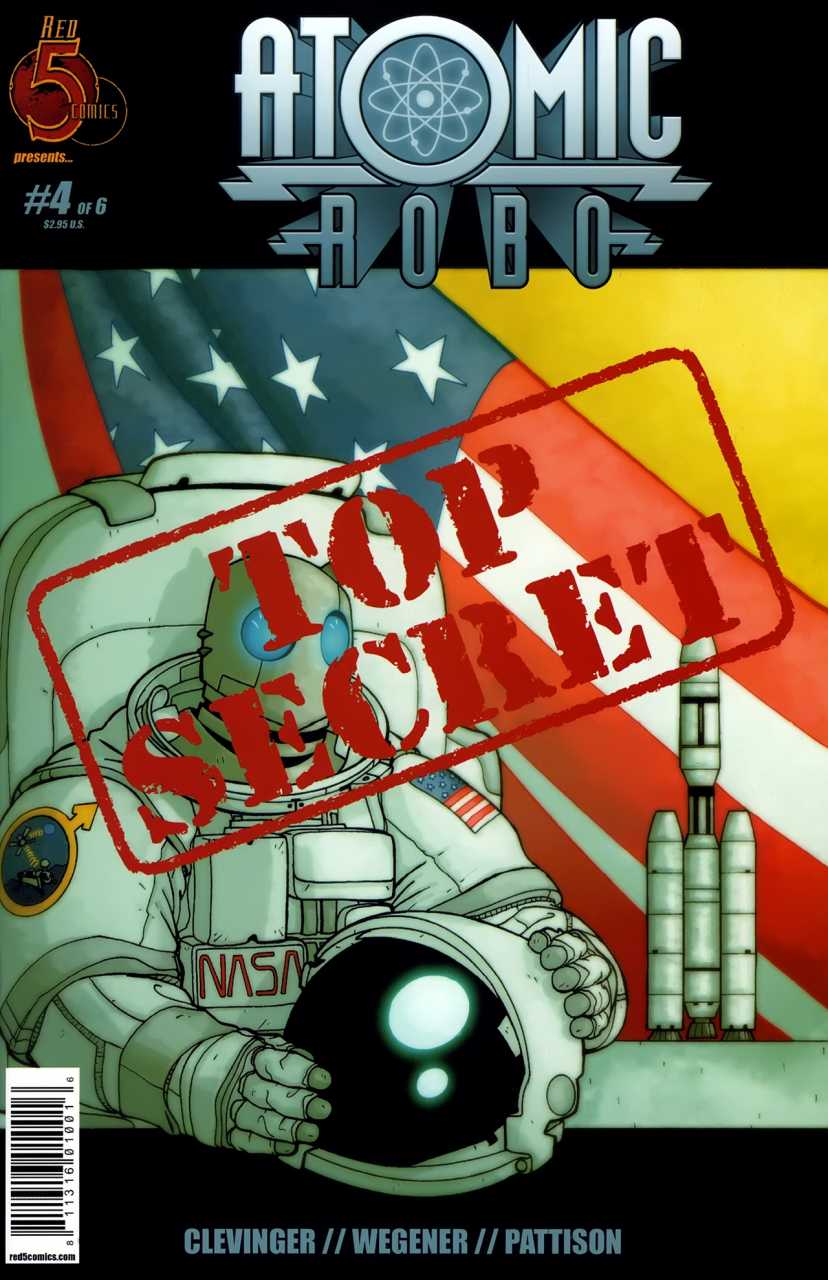
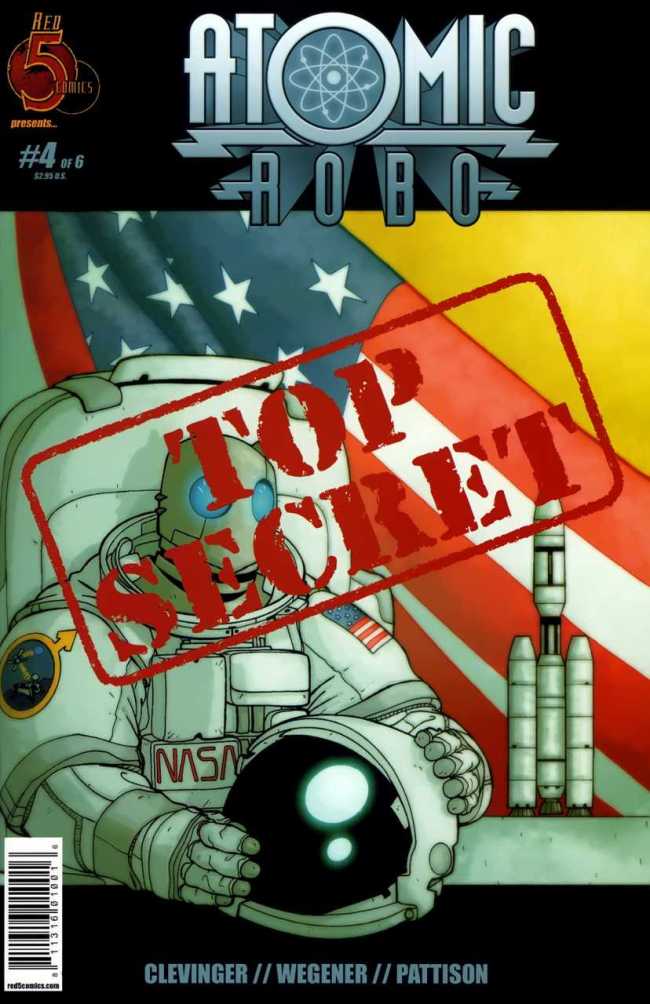
Back in 2007, as a comic book rookie, I was wandering through poorly lit aisles full of sweating, questionable smelling geeks at a Big Apple Con when I came across a booth manned by a creator proudly selling his new book.  I stopped for a minute to look at what he had to offer.  The writer was so excited that energy radiated from him as he talked about his creation.  He told me with great enthusiasm that his first couple issues had almost sold out and he was getting ready for another printing.  The book looked all right, but I wasn’t particularly impressed and didn’t think it would go very far.  As I walked away I filed the name of the book in the back of my mind along with other useless knowledge that’s stored away, waiting for the right moment to whip it out and show off my vast knowledge.  That creator was Brian Clevinger and the book was Atomic Robo.

Image

Flash forward several years to a moment in one of my local comic book shops as I happened across several issues of Atomic Robo.  Like a good little brainiac, I recalled the info I had stored away for just such an occasion, and investigated to find out what was going on with this book I had written off so readily.  As it turned out, not only had the book survived, it had excelled, earning a highly coveted Eisner nomination in 2008. While not a mainstream book, Atomic Robo had managed to carve out a considerable fan following.

I wasn’t quite ready to admit I was wrong, so I waited a few more months, but curiosity finally got the better of me, and I decided to check it out.  Now I wish I had read this sooner.  Atomic Robo feels like a cross between the humor, adventure, and energy of Indiana Jones and the simple art style of Hellboy.

The first volume, Atomic Robo and the Fighting Scientists of Tesladyne is one of the funniest books I’ve read in a very long time.  Throughout the book there is a wonderful sense of adventure.  The stories in this first volume loosely follow the same plot line, following Robo, a sentient robot built by Nicola Tesla, and several adventurer scientists from Tesladyne Industries as they combat giant ants, mobile pyramids with robot mummies, and other things far too weird for the US government to handle.  These stories provide a nice introduction to the world and main character.  Along the way, the story arc occasionally takes humorous side roads into adventures with mobile pyramids and ancient death rays.  My favorite story is the stand alone tale of how Robo receives a letter from the grandchild of one of his former WWII buddies who had died.  It is a touching story about how an immortal robot deals with outliving his friends.  What could otherwise be a tricky subject is told with grace and skill.  Then the story just moves on, as it should.  The book covers the first 6 issues of Atomic Robo and issues 1, 5 and 6 introduce a potential reoccurring villain in the amusingly stereotypical Nazi super-scientist Helsingard while issues 3 and 4 follow Robo to Egypt and a fabulous flashback to Robo’s “manned” mission to Mars.

Each story is complimented superbly by the art, which is wonderfully simple and uses a vivid color pallet, reminiscent of Mignola’s Hellboy issues.  Often, simple art styles run the risk of a lack of expression or emotion, but that is not the case with Scott Wegener’s art.  Despite lacking most human facial features, Robo is able to convey a full range of emotions, which is a serious credit to Wegener.

My only complaint with Atomic Robo and the Fighting Scientists of Tesladyne is that some of the action sequences were a little vague, sometimes making the progression from one panel to the next unclear.  This is such a minor issue that it does not take away from the overall enjoyment of the book.

So far Atomic Robo has completely surprised me in the best way possible, and I have to give it four and a half out of five stars.  The first volume was funny and adventurous, and with 6 more volumes published so far, I cannot wait to jump back into this world and see what is in store for Robo and the gang at Tesladyne.
 Image

1 Comment

Filed under Andrew Hales, Comic Reviews, Comics

Around the Web June 6, 2013

Turns out Superman’s new threads still involve underwear

At least this time they aren’t on top of his clothes.

Image

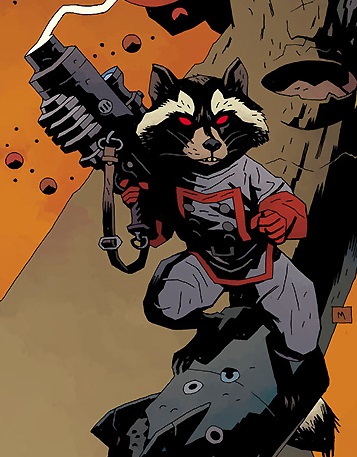
Looks like they finally cast Rocket Raccoon in Marvel’s Guardians of the Galaxy!

Truly inspired casting in my opinion.

Image

Walk in the footsteps of your favorite Game of Thrones characters.

I hear King’s Landing is nice this time of year.

Image

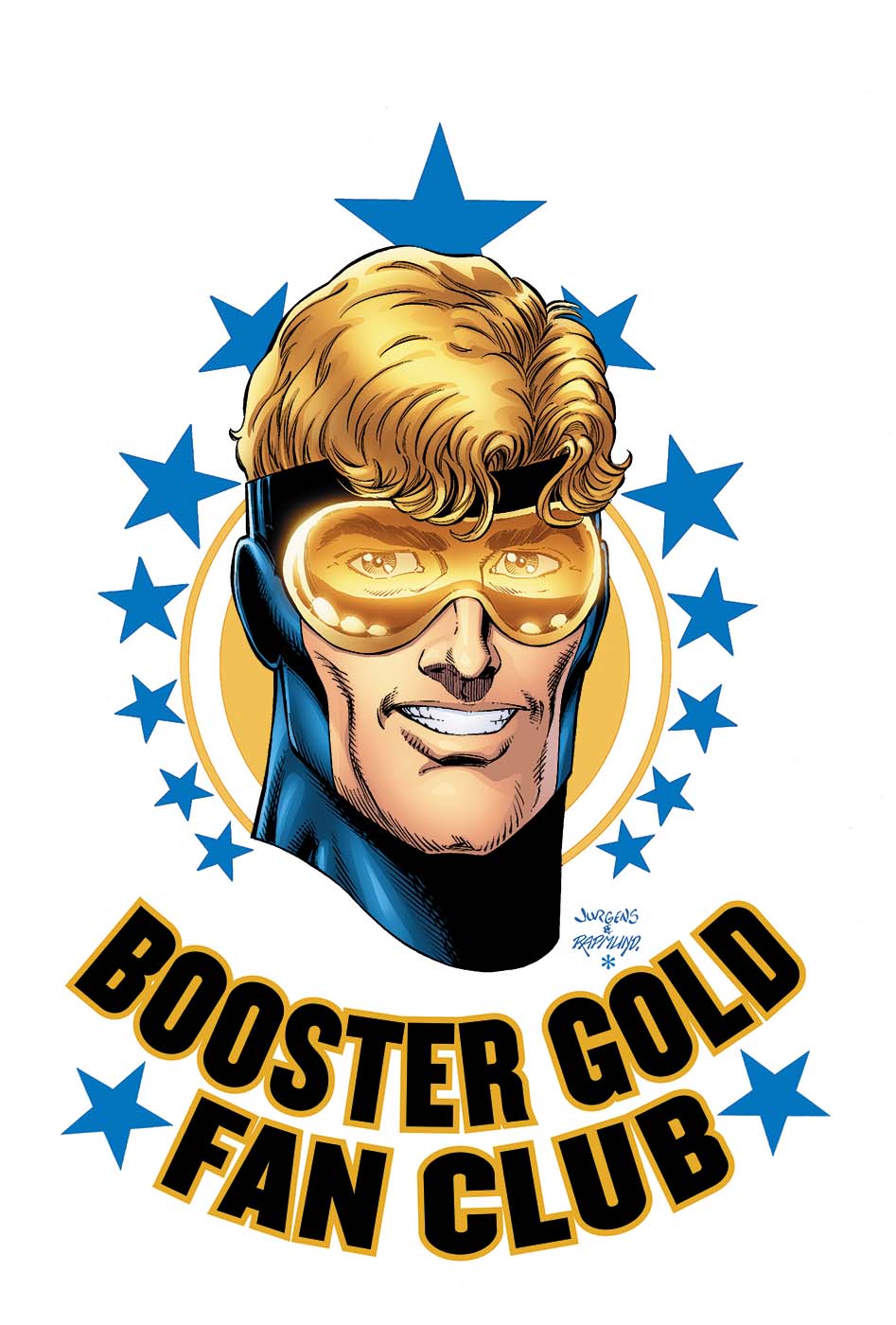
In my opinion, Pure Gold.

The fanboy in me is squealing like a 12 year old girl, and I don’t care.

Image

Leave a comment

Filed under Around the Web

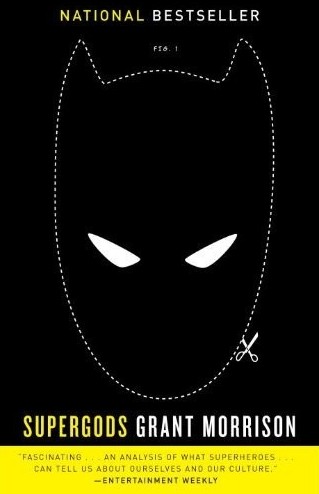
Review: Grant Morrison’s Supergods

Image

Last year’s New York Comic Con got me much more interested in the history of comics.  The second book I’ve read in my pursuit of comic book knowledge is Grant Morrison’s Supergods.  I was already interested knowing that Grant Morrison had written it but when a friend of mine recommended it, I decided to take the plunge.  I don’t always enjoy a Morrison book, but there is no arguing that he is one of the biggest and most influential names in comics right now.  I expected an insightful discussion of comic characters with some of his personal experiences interspersed throughout the book.  What I got was far weirder, far more personal information than I had bargained for.

The book starts off with several chapters dedicated to Golden Age superheroes.  Morrison’s analysis of the beginnings of classic heroes like Superman and Batman was both insightful and enlightening.  He presented these well-known characters in ways I had never thought of them before and made me reevaluate how I saw them.  My favorite of these early chapters dealt mostly with Superman though the 1950’s, after the establishment of the draconian censorship rules of the Comic Code when the plot limitations made writers come up with some very whacky stuff.  Morrison’s description of the off-the-wall adventures of the Man of Steel is quite a bit of fun.  Personally, I’ve never been much of a Superman fan, but this made me want to read some of those old stories.  I was so captivated by these opening chapters I could hardly put the book down.

As Morrison got to the comics of the 60’s and 70’s, he began to incorporate his personal experiences in comics and explain how he got his start in the industry.  This was all pretty interesting and it fit well with the general theme of the book (on occasion he begins to drift off topic, but even then it’s still interesting and at least tangentially related).  In these chapters, Morrison begins talk about some of his favorite of the more esoteric, less well known comics.  The comics he experienced are not the same ones that I enjoyed, although to be fair, I’m an American who grew up in the 90’s and he is a Scot and about 25 years my senior.  I am certain, however, that some of his references would be lost even on many of his Scottish peers.

For me, the wheels really started coming off this ride when Morrison began to talk about his exploration into magic.  That’s right, magic.  While I honestly have no issue with whatever the man chooses to believe, and I was aware that the book was partly an autobiography, I was not prepared for this level of weird.  I felt that it really detracted from the comic history in the book and that both subjects would have been better served by being separated into freestanding volumes.  If Morrison had written an autobiography and included every odd thing from Supergods and anything else he felt like covering, I would still probably have read it.  Grant Morrison is a fascinating man with a real gift for his chosen craft and I would be interested to see what insights could be gleaned from his life experiences, but I would prefer it in a book dedicated to his own personal stories.

This book is filled with comic book history and explores the use of archetypes within our society. It is not, however, a book I would recommend to someone with only a passing interest in comic history or even the average comic fan. Morrison delivers an insightful look at our modern culture through popular art and an interesting depiction of his own person journey to comic book legend, but the mixture of these two often disparate themes tends to dilute the impact of both.

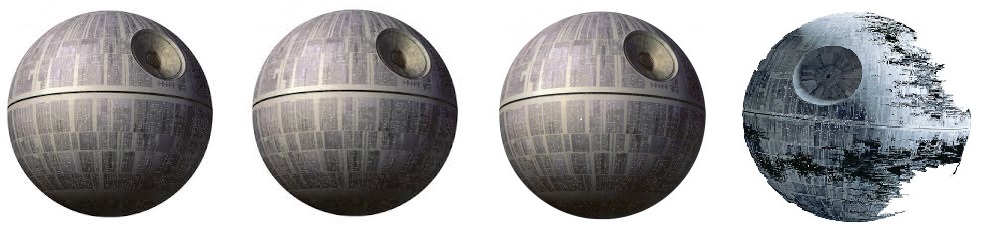
Rating: 3.5 / 5 Death Stars

Image

Leave a comment

Filed under Andrew Hales, Book Reviews, Books