Lately, I’ve noticed a trend in our society that I’m starting to find a little disturbing. It seems, at least in my opinion, that whenever the collective we decides to honor someone, whether it be in an article, video, or just in conversation, we must also vilify someone else. Whether it’s a politician touting his own qualities while simultaneously insisting that the other party is out to destroy the country and the world, or in sports where the star player of one team is lauded by his fans who believe the opposing team is scum, this sort of negativity seems to permeate nearly every aspect of life.
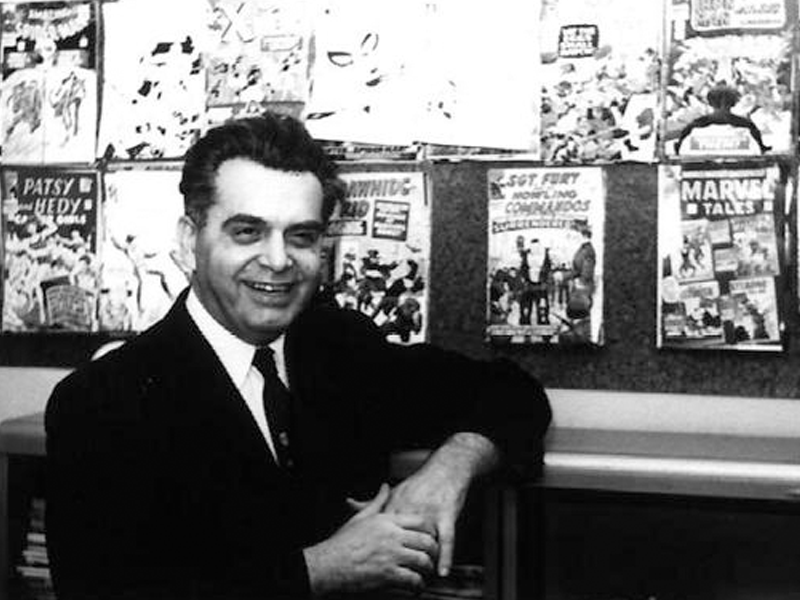
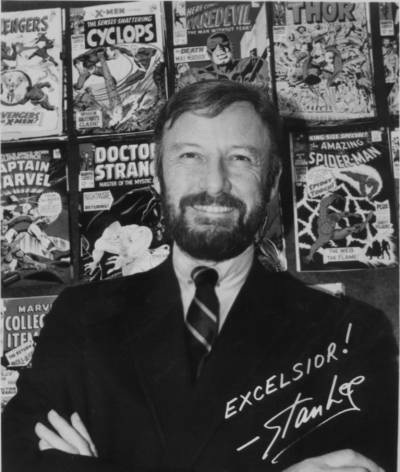
 When it comes to geek culture, I’ve noticed it most with comics, specifically when it comes to creators getting credit for ideas, storylines, and characters. For many years, this was the debate about Jack Kirby and Stan Lee. Each man had his own camp, filled with fans who were believed that their man was solely responsible for the creation of Marvel’s plethora of characters and that the other was riding their hero’s coat tails. For a long time this debate, though heated, remained civil, due in part large to the fact that since Stan Lee’s name was all over just about everything Marvel published, most people believed it was Stan who took the leading role. After all, if Jack Kirby had really been the creator, why wasn’t his name there instead of Stan’s? Or at least that’s how the argument went.
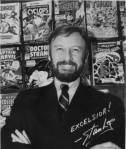 As time went on, however, and more people became involved and began to take sides, the arguments became less civil and it seemed that in order to talk about the great work Jack Kirby did, fans had to insist that Stan Lee was stealing credit and that he treated Jack poorly. I was not in Marvel during the time that the events that sparked bad blood purportedly occurred, though I’m sure that some of them probably did. What gets me is that fans often can’t seem to separate the two ideas. There is no need to bring up one man while speaking about the achievements of the other.
More recently, a similar situation has been playing out for fans of DC between Bob Kane, the acknowledged creator of Batman, and Bill Finger, the man who by nearly every account (including a 1989 admittance by Kane) is responsible for most of the concepts associated with Batman. I have absolutely no issue with recognizing the efforts of Bill Finger. I love Batman and because of that I have a great deal of respect and affection for the contributions Finger made. However, I don’t understand why nearly every article I read about Finger has to include statements to the effect that Bob Kane stole credit. Again, I’m not trying to debate whether Kane did or did not steal credit; I’m trying to figure out why vilification of Kane is always attached to a discussion of Finger’s achievements.

Bill Finger
I feel that this need to vilify someone often stems from an idea that is very familiar to comic books fans; where you have a hero, you must have a villain. Deep down inside, there is some kind of need to find a villain when presented with a hero, and if one is not immediately apparent, someone is assigned to the role. Nowhere is this more prevalent than in comic books— their brightly colored pages are filled with beings that are more than just heroes, they are superheroes. In many respects we fans tend to carry over expectations from creation to creator and sometimes those creators fall short. Those who behave like mere mortals can become villains simply because they do not live up to the ideal we have set for them. They are humans who acted like humans. They did things that were in their own interests, nothing more. That does not make them villains, certainly not to the extent they’re made out to be.
This type of ugly debate diminishes the achievements of the person being honored. Constantly paralleling one man’s accomplishments with the allegedly nefariousness deeds of another will leave fans and casual readers unable to separate the two. No longer can a person just think about all of the awesome work that Jack Kirby did, much of which Stan Lee had no involvement in whatsoever, but instead becomes mentally derailed by the second argument about who must have credit for it. Men like Finger and Kirby deserve to be honored and recognized for their contributions and not have their names constantly attached to those of other men.
Additionally, perpetual arguing and laying blame sustains division among fans. Arguing will never get at the truth of which creator deserves which credit. This is less of an issue with Kane and Finger since Kane has admitted in the past that Finger deserves more credit and people are less deeply entrenched, but when it comes to Jack and Stan, it’s been a verbal and legal battlefield for decades. I’ve already discussed what I think is the most likely way events unfolded based on how I interpret the facts, but to this day I feel like I am among the few who have remained somewhat objective and not just jumped in with one camp or the other.
The reality is that we need to give credit where credit is due to the best of our ability, and should dial down the aggression and look at the facts to get as close to the truth about these creator feuds as possible. There are plenty of times where debates about credit are appropriate, but we should do our best to keep that separate from our respect for the achievements of great people.
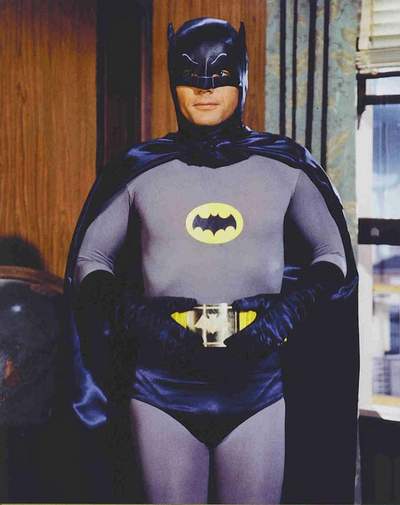 The most well known example of this is Batman. Most comic fans, and in fact many non-comic fans will recognize “The Dark Knight” and “The Caped Crusader” as nicknames for Batman. Not only are these nicknames, but they have become a large part of the Batman mythos. Most people will associate the Caped Crusader with the old Adam West 1966 Batman television show. The show was definitely about Batman, but it was campy, goofy and generally light hearted fun. Since then, the Caped Crusader has come to represent the kinder, gentler Batman who carries shark repellent on his utility belt. The Dark Knight on the other hand, lives up to his name. In my lifetime this has been exemplified by Frank Miller’s The Dark Knight Returns and Christopher Nolan’s Dark Knight Trilogy (Batman Begins, The Dark Knight, and The Dark Knight Rises), but this version of Batman is closest to the original. Until the Comics Code, Batman had a decidedly dark and gritty feel to it, taking much from its Depression era roots. This Batman is far more aggressive and is willing to go to much greater lengths if it enables him to take down the villain. Continue reading