Tag Archives: Saga

Science Fiction Comics

Science fiction is, of course, a staple of geek culture and always has been, as has comic books. While these two have had a long and intertwined history, up until recently there had been a rather significant lack in quality science fiction comics. Thankfully in the last two years there has been a considerable resurgence in science fiction comics. Given all of these new choices, I’ve decided to go over a few of my personal favorites and some of the newest additions to my weekly pull.
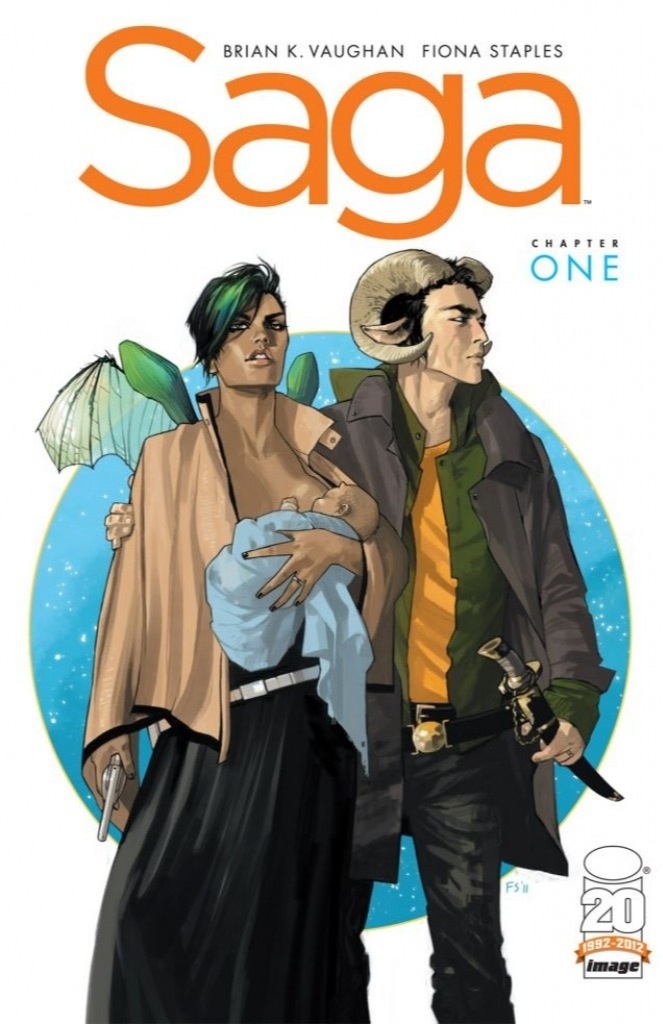
20131219-232534.jpgSaga – Brian K. Vaughan and Fiona Staples

I’ve decided to start with Saga because every week it comes out, it’s the first book I read. Saga is an amazing space epic, but unlike most epics, it is character driven instead of focused on the events that happen around the characters. It’s a sort of modern Romeo and Juliet, with two star-crossed lovers from opposite sides of a generations long war; only they don’t commit suicide, they kick ass instead. I honestly have absolutely no idea where the book is going, both on the large scale and from issue to issue, and I don’t care. I am along for the ride, no matter where it takes me. Vaughan’s writing is fantastic and when paired with art by Staples it becomes something truly unbelievable.
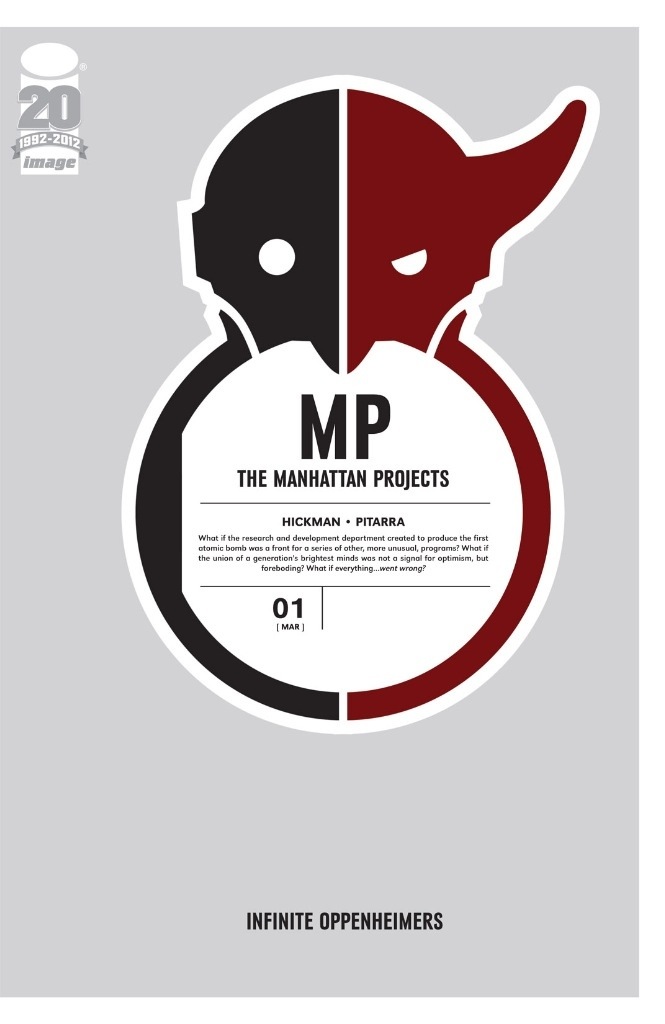
20131219-232528.jpgManhattan Projects – Johnathan Hickman and Nick Pitarra

Imagine that the super-secret Manhattan Project was itself a cover for an even more super-secret science program. That’s the basic plot of Manhattan Projects, but there is far more to it than that. Anyone who is familiar with the real life Manhattan Project will recognize the cast of characters including Robert Oppenheimer, General Leslie Groves, Richard Feynman, and Enrico Fermi among others. That’s about where the similarities end though and Hickman takes characters and events to ever increasingly insane places. There is a lot of fantastic character work and a wonderful subtlety to the art that gives this book an unexpected depth.
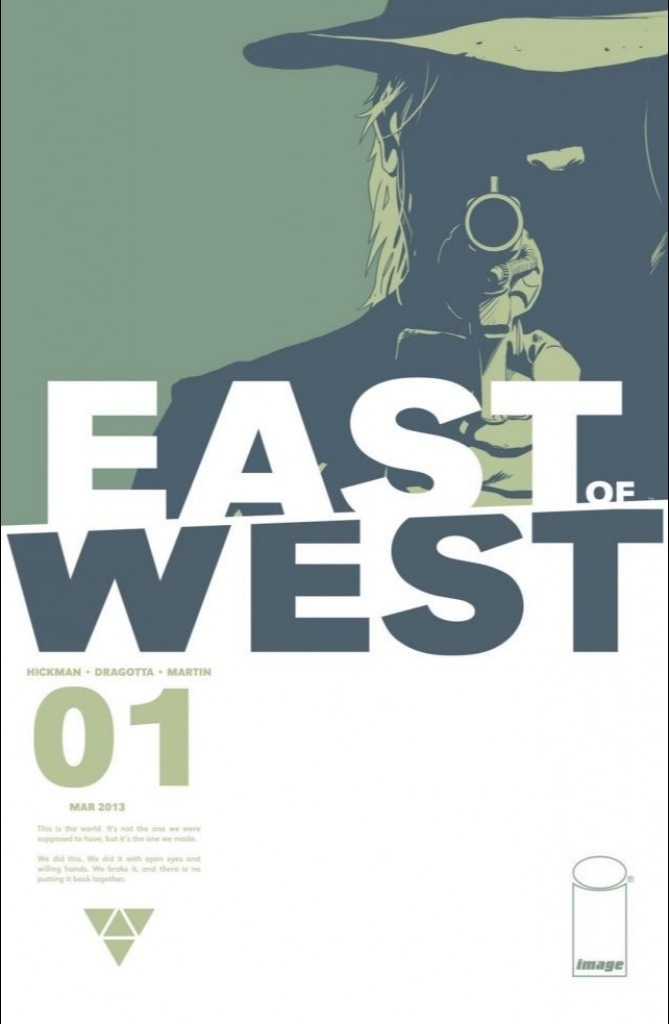
20131219-232523.jpgEast of West – Johnathan Hickman and Nick Dragotta

Where Manhattan Projects is crazy and filled with very weird characters, East of West is much more cerebral, in similar fashion to his current work on Avengers/New Avengers and his previous creator owned work. East of West is set in a near future, alternate reality where the United States has splintered into several different countries with competing ideologies. The political systems only provide a back drop for the larger story, one of the Biblical Four Horseman, Death, has abandoned the other three and now they have begun to hurt him down, to unknown ends. I like this book because it is similar enough to the work Hickman has done in the past, yet the plot remains novel. There have been several interesting plot twists that have made the month between issues seem very long indeed. Dragotta’s art is very clean with some hints of manga influence.
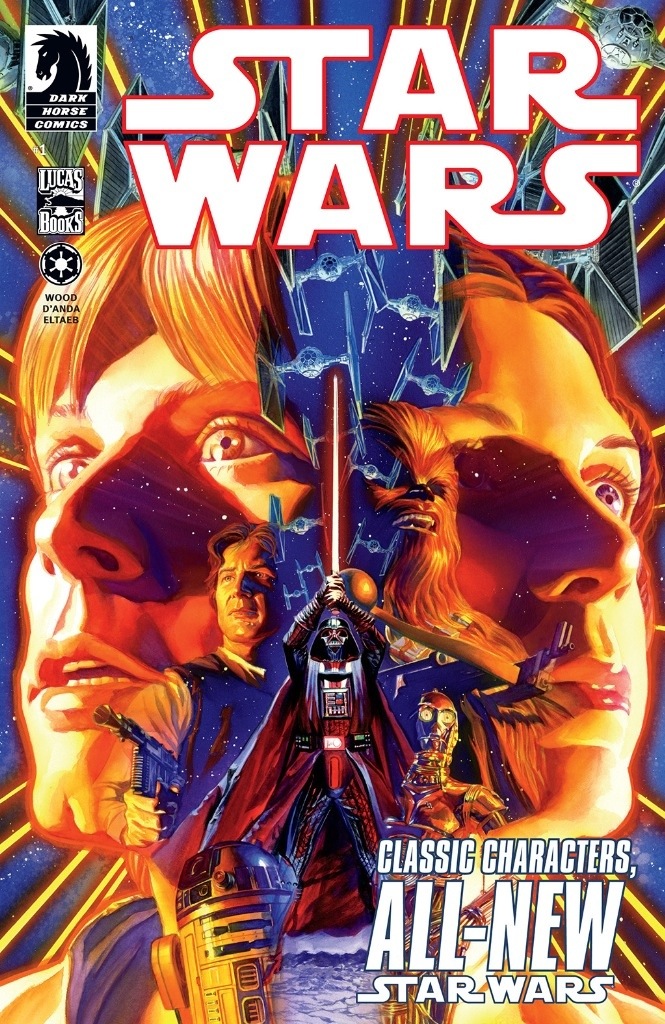
20131219-232512.jpgStar Wars – Brian Wood and Carlos D’Anda

I love Star Wars, especially the original trilogy, and this book hits my Star Wars sweet spot. Set between A New Hope and Empire Strikes Back readers follow all of the familiar heroes as they search for a new home for the Rebel Alliance. Brian Wood has a great sense of who Han, Luke, and Leia are, and it feels like a perfect continuation of the films—only with better dialogue.  D’Anda’s art is perfect for this book. Not only is he capable of clear and exciting action sequences, but he also makes the heroes look just enough like their actors that you know precisely who is whom, but not so much that it looks like he just traced pictures of them.
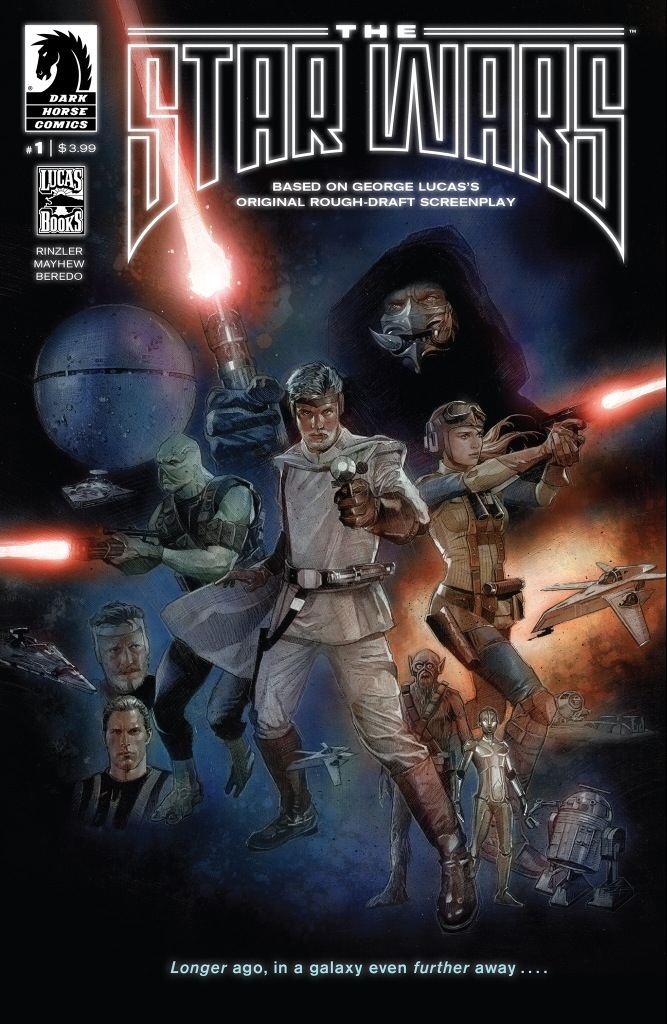
20131219-232518.jpgThe Star Wars – Johnathan Rinzler and Mike Mayhew

Yes, this is a different book than Star Wars. This book is based on George Lucas’ original draft of Star Wars and it has been quite a treat. The Star Wars is full of familiar names and places, but they all apply to different things. It’s like the entire Star Wars universe has been turned on its head and shaken around a bit. Now to be honest, I don’t want this book to last forever and I’m looking forward to seeing the conclusion to the story (though I sense it is still a ways off). What makes this book great is that I never know what part of the Star Wars I know and love is going to show up somewhere unexpected. It’s also pretty crazy to think that this is where Star Wars started.
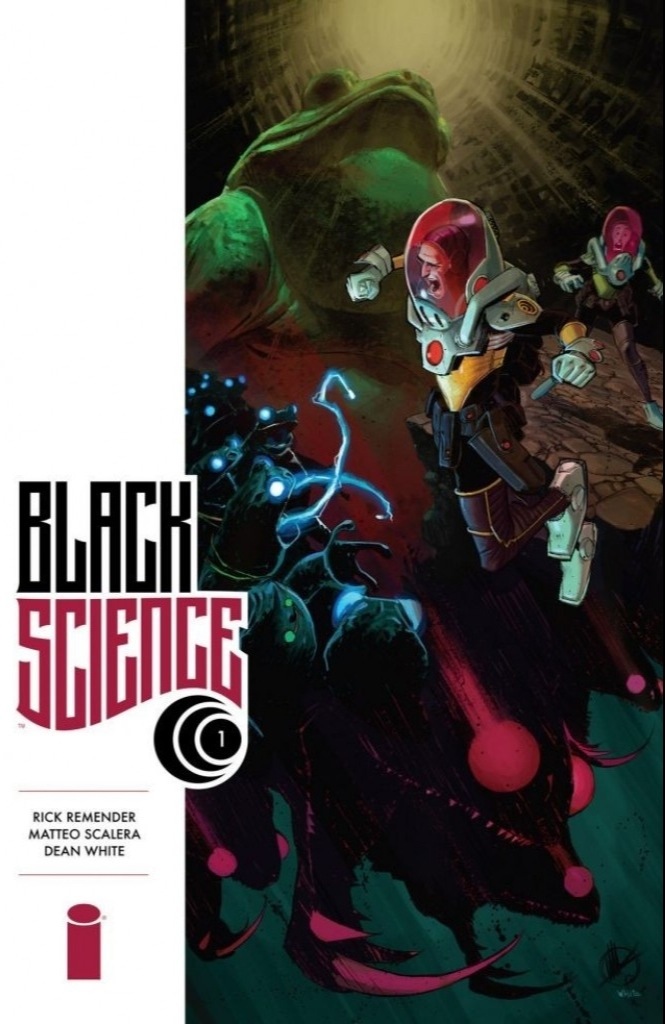
20131219-232538.jpgBlack Science – Rick Remender and Matteo Scalera

This is the newest addition to my pull list and truth be told I’m not 100% sold on it yet. Only being on issue two however, I’m not rushing to judgment just yet.  I am huge fan of Fear Agent, so I’m willing to give Remender the benefit of the doubt and stick this out at least through the first story arc. Black Science follows a group of scientists who have broken through reality into the chaos that lies beyond. Of course what they find there isn’t very nice, and just like black magic in fantasy, this black science makes things go awry. The art is strong with the exception that at times it was difficult to tell female characters apart, though once I get to know them better I suspect that problem will fade. Stay tuned for the inevitable update.

So these are the sci-fi books that I’m currently reading. They are not all the books I read with sci-fi elements and it is certainly not every book that exists (I just don’t have the money…/sad face), but they are the ones I consider pure science fiction. But enough about me, we want to hear about you. What books are you reading? Tell us about your favorites and maybe those that you’re not so fond of and of course, why.

1 Comment

Filed under Andrew Hales, Comics

Geeks You Should Know: Brian K. Vaughan

Like all people, we here at Therefore I Geek have heroes, but because we’re geeks many of those heroes are also geeks. With this in mind, we’re kicking off a new, reoccurring series featuring people in geek culture that we think you should know about, or at least know better and we’ve decided to start with Brian K. Vaughan.

1923505-brian_k_vaughan_imageBrian K. Vaughan got involved in comics as student at NYU in the late 90’s through a program at Marvel called the Stan-hattan Project, which gave students in NYU’s Dramatic Writing department a chance for practical experience.  Vaughan started off with a few fill issues for several series, which included Cable and Wolverine, before moving over to DC where he helped re-launch Swamp Thing. Swamp Thing of course is known as a legacy title through which many of comic’s biggest names—such as Alan Moore, Grant Morrison, and Mark Millar—have come. When this particular Swamp Thing series didn’t last very long, Vaughan made his way back to Marvel for a Cyclops mini-series.

When Marvel decided to launch a new imprint, Vaughan wrote two series, one featuring Mystique and a second called Runaways which starred a new team of heroes who were the children of Marvel’s supervillains.  Following a successful run, Vaughan left Runaways and was succeeded by none other than Joss Whedon.

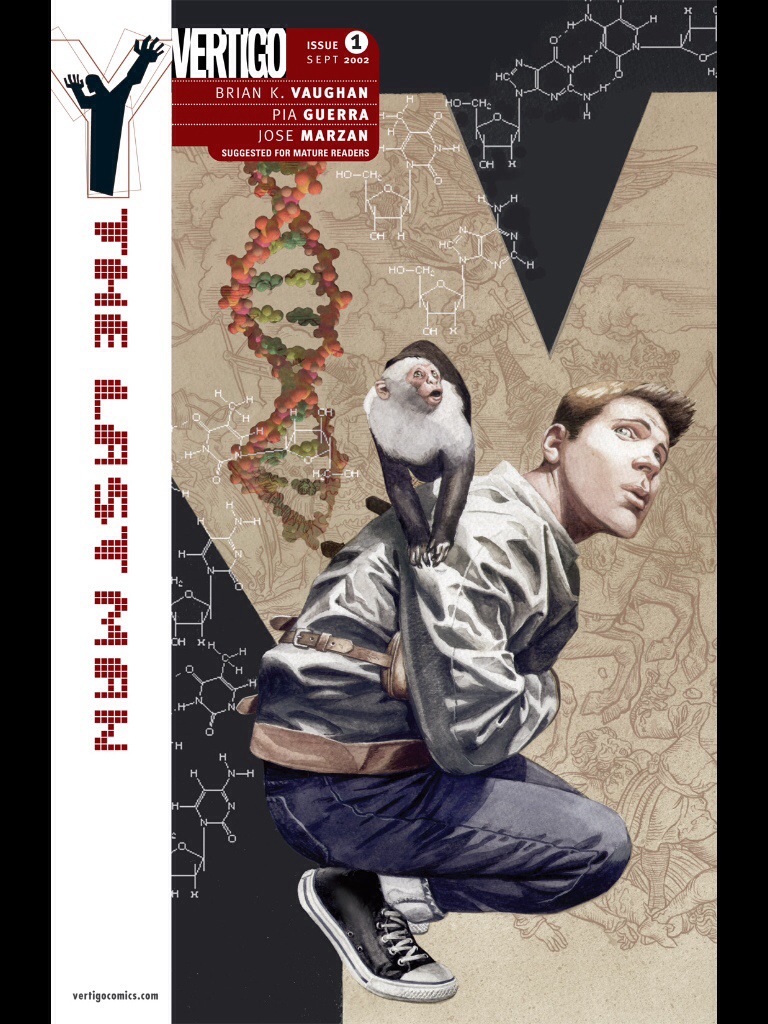
Prior to the release of Runaways, Vaughan started a creator-owned series at Vertigo called Y: The Last Man. This is hailed as Vaughan’s best work and with good reason.  It is the story of Yorick Brown and his monkey trying to survive in a world in which a mysterious event has left them the only two living males on the planet.  It is a masterpiece of comics, lasting sixty issues before coming to a wonderful conclusion.  Frequently Y: The Last Man is recommended to new comic readers as it exemplifies the art form.

A man and his monkey.

A man and his monkey.

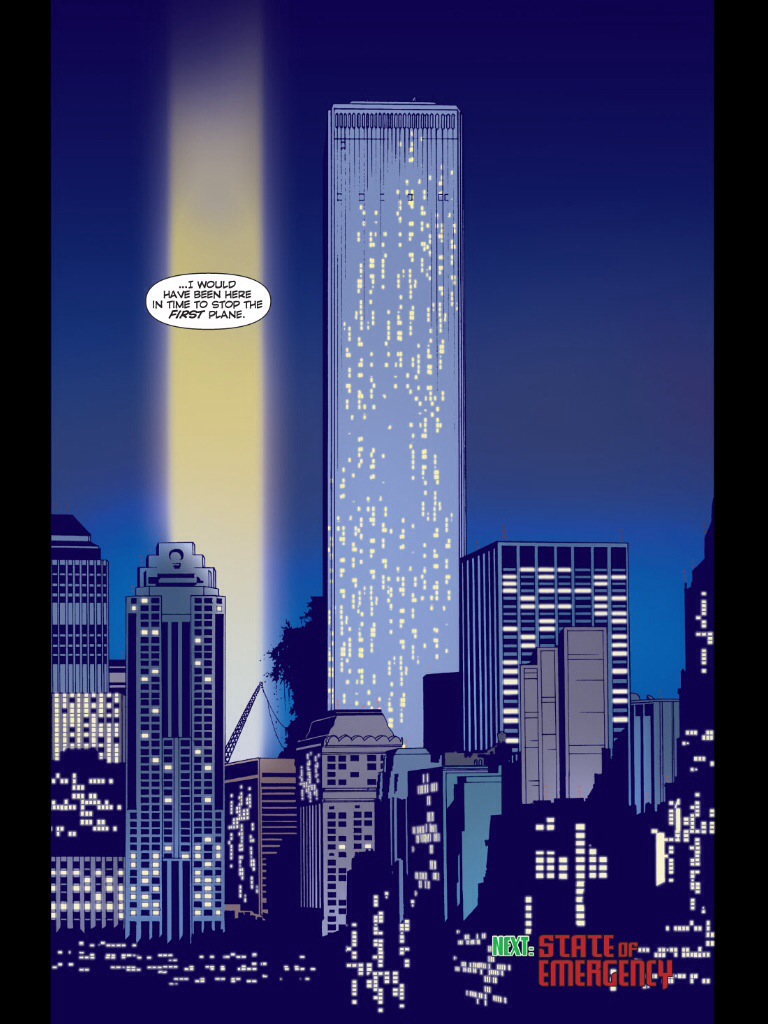
In 2004, around the middle of Y: The Last Man, Vaughan started a second major, creator-owned series:  Ex Machina. Where Y focused on a near future sci-fi story, Ex Machina mixed superheroes and politics, with the main character being a former superhero who has been elected mayor of New York City.  If there was any doubt that Vaughan was a master of comics, Ex Machina removed it by the end of issue one.  Only three years after Sept. 11, Vaughan left us breathless (with what?) and set the tone for the Ex Machina in one page.

This gives me chills every time I see it.

This gives me chills every time I see it.

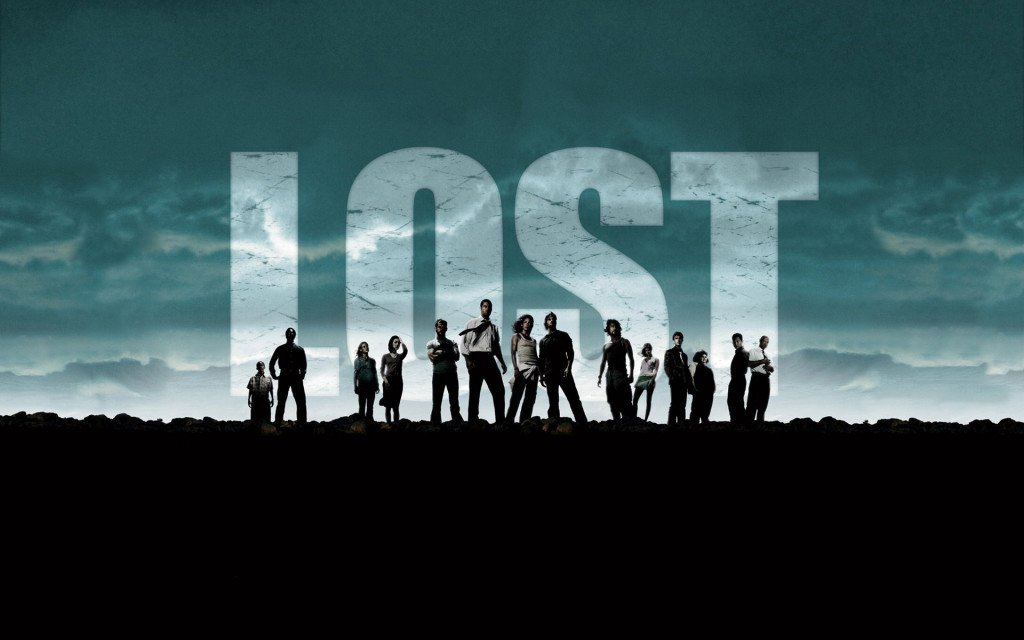
Writing as good as Vaughan’s doesn’t go unnoticed outside comics for long.  Toward the end of Ex Machina, Vaughan began to write for the TV show Lost.  Many comic fans sadly believed he would never return once he’d seen the bright lights of Hollywood. Thankfully those doubters were wrong, and in 2012 Vaughan made a triumphant return to comics with Saga. The best thing I can say about Saga is that if you aren’t reading it, you should be and if you are, read it again.  It’s that good. While Vaughan has made his comeback to comics, he hasn’t left Hollywood completely as he is also performing writing and executive producer duties for Under the Dome, based on the Stephen King novel of the same name.

If you still have questions, it might be Brian K. Vaughan's fault.

If you still have questions, it might be Brian K. Vaughan’s fault.

Vaughan is a masterful storyteller in both comics and television and has worked on some of the most defining series of the last decade in both mediums. It’s this kind of contribution that makes Brian K. Vaughan a Geek to Know. Stay tuned to see who our next Geek to Know will be.

Leave a comment

Filed under Andrew Hales, Geek Life, Geeks You Should Know

Editorial | The Picky Entertainment Consumer

Due to a secluded childhood in a religious family, for many years my exposure to most entertainment was quite limited.  Now, as an adult, I am very often disappointed in the quality of entertainment in all forms, whether it be movies, comics, or games.  Don’t even ask me about popular books these days.  In order to suspend my disbelief (more on this in a later blog), entertainment must hit a number of points on the quality checklist I have in my head.  I have had my selective taste called into question by my friends many times, (::cough::Andrew::cough::) most recently as I prepared for my review of Saga; so I think it would be a good thing to point out why I am so demanding, and why a more discerning consumer can only be good for entertainment.  For your consideration, here is a rather foreshortened list.

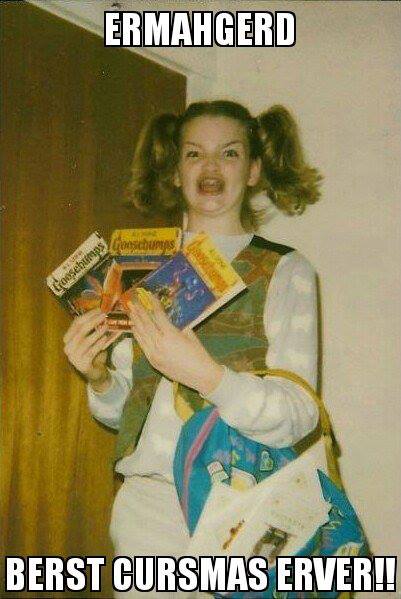
This meme was based on my life.

This meme was based on my life.

First of all, any piece of entertainment—and in this case, that mostly refers to movies—that considers itself dumb entertainment (i.e. Dumb and Dumber, The Hangover 1-3, and anything with Will Ferrell) almost always gets a pass from me.  This isn’t the type of entertainment that I enjoy and I definitely have a little less respect for an individual who seeks out this type of entertainment.  At the same time, I also do not feel that these movies try to classify themselves as anything but stupid humor, so at least I don’t feel that the marketing hype is lying.

The next type that I see is entertainment that tries to be suspenseful and intriguing (“smart” entertainment), but in the end falls woefully short.  Often this happens when a piece of entertainment, such as a movie or a book, sets up a system of natural laws that apply within the created universe of the piece, and then breaks those laws by mistake.  My favorite example of this (and by favorite, I mean: the one to which I refer in my long-winded rants) is The Lake House.  The idea of the movie is that a woman is able to write letters to the man who previously owned her house.  The twist is that she is writing to the man two years before the present and he has since died.  In the end, he stops writing, and she realizes that in his timeline, he has died, but then she is somehow able to still write him before he has died to give him instructions to avoid his fatal car accident.  No matter how you work it out, the timeline of events isn’t even possible within the supernatural parameters of the of the movie.

But it has Keanu. How can you go wrong?

But it has Keanu. How can you go wrong?

Another issue I have that is related to item one, but can also be separated into its own class.  Inconsistencies in entertainment drive me completely bonkers.  Book series’s often fall into this trap in descriptions of characters—for instance, the heroine will be described with long, flowing, brunette hair and stunning, blue eyes in the first book, only to have green eyes by book three.

I’ve spoken before here on the blog about the frustration I feel with inaccurate historical portrayals, so I will not dwell on this point for too long.  Suffice to say that even small details, such as the moments in Gettysburg in which the Union army is shown scraping beans from the bottom of the can, juxtaposed with a Confederate officer announcing to General Lee that there is plenty of fruit and some buckwheat pancakes to eat, can give an audience completely the wrong idea about a historical event (and subconciously advise them on which side is right and which is wrong).

Last but not least, entertainment that heavy-handedly preaches the opinion or philosophy of its creators is perhaps the most grating frustration that I have with modern media of any kind.  Entertainment, for me, is an escape from a life filled with stress and frustration.  I highly dislike sitting down to enjoy a good book, only to realize that the author is not telling a story, but instead preaching a social more with which I do not agree.

All in all, across all forms of entertainment medium few pieces capture my undivided attention, and leave me satisfied.  This is not a bad thing!  After all, the classics that have remained from by-gone eras of literature, film, and music are the solitary beacons of excellence in a sea of medocrity of their time.  Therefore, with or without Andrew’s permission, I will continue to be a picky consumer with pride.

Leave a comment

Filed under Editorial, Tracy Gronewold

Editorial | Review: Saga

With the upcoming release of the thirteenth installment of Brian Vaughan’s Saga, now seems as good a time as any to briefly review the previous twelve issues.

As someone relatively new to comics in general, I was pleased to start Saga right at the beginning, before realities split and the universe has been reimagined with a new history four or five times (I’m looking at you, DC Comics).  Fiona Staples’ artwork in the book is simple, but not overly so.  Action is clear and it is easy to understand what is happening.

Their facial expressions capture the essence of these characters, but the controversial pose is unnecessary.

The story is narrated by the infant who is being born in the first frames of the book, as a memoir.  This makes the entire issue (and subsequent ones) feel like a prologue to the main storyline, but no main storyline ever actually appears.  Instead, the narrative follows the exploits (sexploits?) of Alana and Marko, two creatures who are defying a centuries long feud between their species to fall in love.  Alana gives birth to their daughter, Hazel, the story narrator and then the pair begins a mad dash to get somewhere that they and their daughter would be safe.

Alana is a winged creature from the planet Landfall.  She seems to be undereducated and has a brash attitude that has helped her survive a hard life, but makes me concerned for the survival of her marriage.  Her husband Marko’s character seems likeable and a little bit ordinary.  His people are from one of Landfall’s moons, called Wreath, and sport mountain goat horns growing from their heads.  He is disillusioned with violence and warfare but is torn between a pacifist life and protecting his new family.

The characters are all fairly believable, considering that the main couple has either wings or horns, and that the supporting cast includes an enormous half woman/half spider, and a race of humanoids with old fashioned tube television sets for heads.  The writing style is clear and concise.  The problem that I have is that there is no discernible plot line.  The adventures are told in a rambling fashion and feel as though they are leading up to some main plot, which never materializes.

The top half of a ghost wants to permanently bond with my infant’s soul? Sure! What could go wrong?

I appreciate the effort Vaughan makes to flavor Saga with unusual elements; and some of the strangeness of the characters and locations really appealed to my sense of whimsy.  I liked the idea of a spaceship forest, where the fruit of the trees is not edible, but rather rocket fueled.  Another interesting character was the Lying Cat, a large jungle cat who hisses, “Lie!” at anyone who attempts to twist the truth in its presence.

While the artwork is crisp and easy to follow, I did find that the art was occasionally unnecessarily graphic (read: lots of gratuitous sex).  Considering that the writing was not lazy and that the stories progressed well on their own, it seemed ridiculous that the book would work so hard to shock its audience.  The cover art especially seemed chosen to be deliberately controversial.

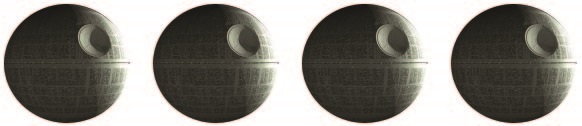
All in all, I enjoyed Saga, and I look forward to the next six issue story arc, but I do not see that it merits the critical acclaim it has received.  From me, it gets four out of five Death Stars.

4 Death Stars

1 Comment

Filed under Comic Reviews, Comics, Editorial, Tracy Gronewold