Tag Archives: New 52

New 52 in Review: Week 2

Welcome to Week Two of the DC New 52 in Review.  This week’s titles were initially released on September 7, 2011.  So far five of the original thirteen titles have been cancelled—four of which died early to make room for the second wave of DC titles.  Two of the most critically well received books in the entire reboot, Animal Man and Swamp Thing were released this week, along with one of my personal favorites Batgirl.

Action Comics Action_Comics_Vol_2_1
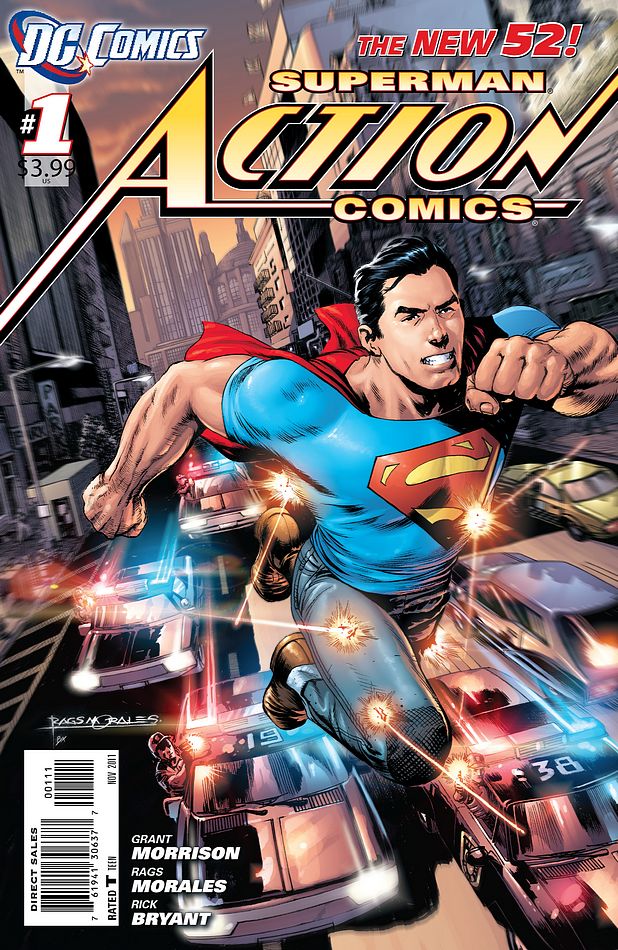
Action Comics is a new, ongoing Grant Morrison Superman series.  While I am not a huge fan of the Man of Steel, I did really enjoy All-Star Superman, so was willing to give Morrison plenty of room to play.  To start, Morrison introduced Superman as a young man wearing jeans and boots, but he was unable to keep this up for long.  Soon Kal-el was back to a newly updated costume and cape.  Morrison departed after issue eighteen, and the book has been through a couple of different writers.  Now it has become a late victim of DC editorial interference.

Animal ManAnimal_Man_Vol_2-1_Cover-2
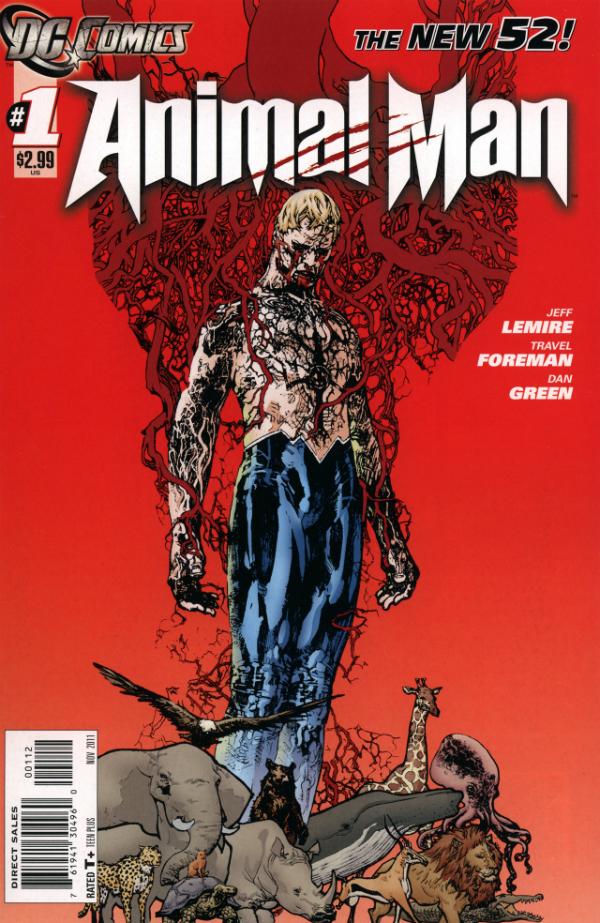
A cult hit character, Animal Man marks the return of Buddy Baker to the DCU after he spent some quality time off at the Vertigo imprint.  Smart writing by Jeff Lemire and art by Travel Foreman helped propel Animal Man to unexpected popularity.  After its long crossover with Swamp Thing, Animal Thing has taken a dark turn (from an already dark plot) while Buddy tries to deal with the death of his son during the Rotworld storyline.

Batgirlbatgirl
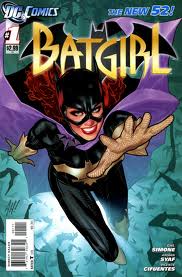
Barbara Gordon returns as Batgirl.  I still love this book two years later.  It’s got some great action but manages to avoid getting to serious. Although the return of Babs as Batgirl means the loss of Oracle (which has stirred up more than a few people), it was a great choice.  Very little time was spent dealing with how Gordon recovered from her paralyzing shot from the Joker.  This is also one of the most obvious places where DC continuity is not completely rebooted as Gordon was famously shot in The Killing Joke, which is, of course, part of the old continuity.  Batgirl typically does its own thing, making occasional crossovers with other Bat titles, though the issues rarely have an impact on the overall crossover story.

Batwingbatwing
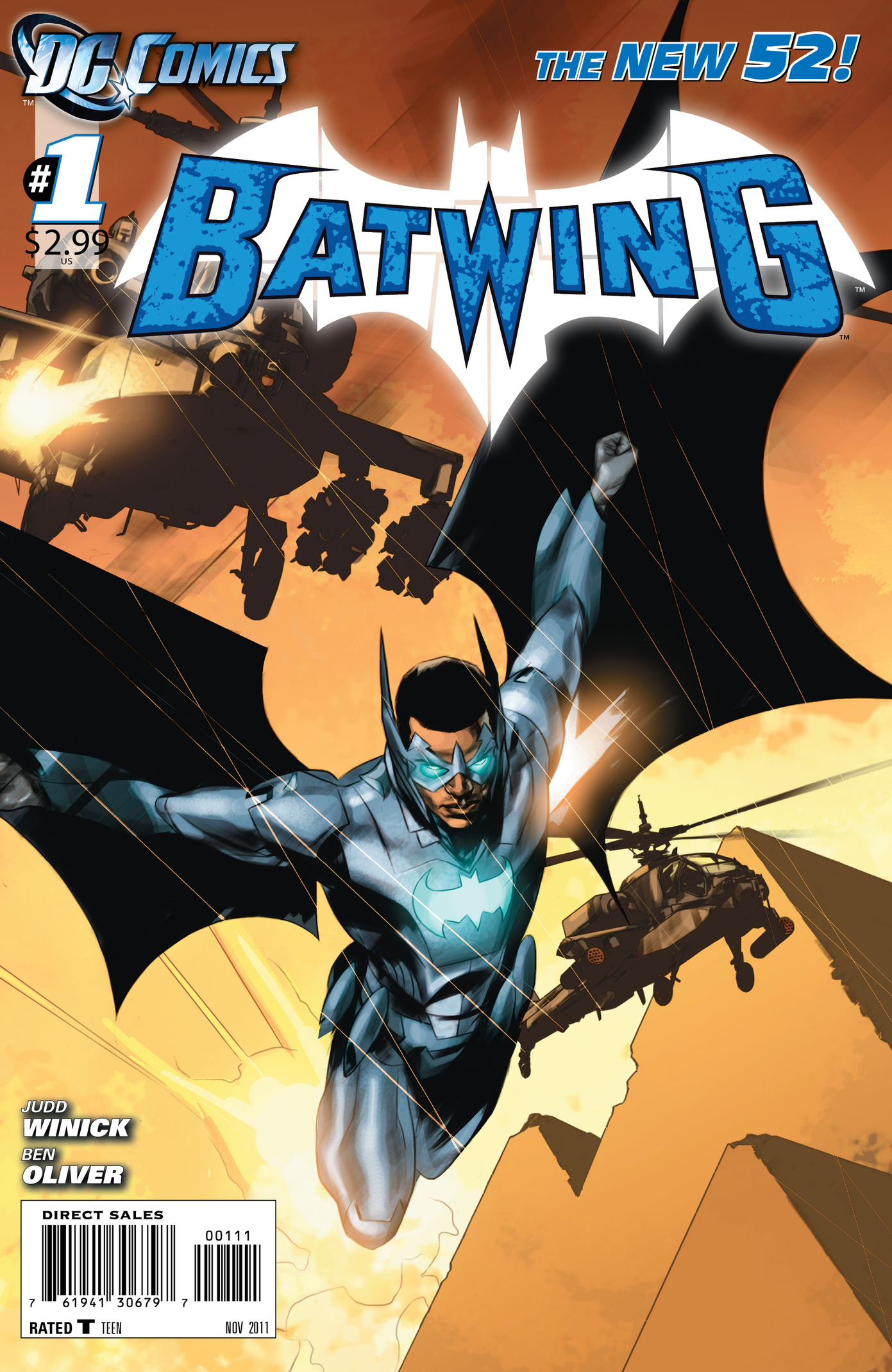
A carry over character from the end of Grant Morrison’s Batman Incorporated, Batwing was supposed to be the Batman of Africa.  Given a backstory which draws upon several of the most common problems facing Africans today (child soldiers and AIDS), Batwing was later recruited by Bruce Wayne as part of the Batman Inc. initiative.  Batwing fought his share of original, but unimaginative villains through his first few story arcs.  After issue nineteen, however, it was decided to reboot this series again; this time using Luke Fox, son of Lucius Fox, as the new Batwing.

Detective Comicsdetective comics
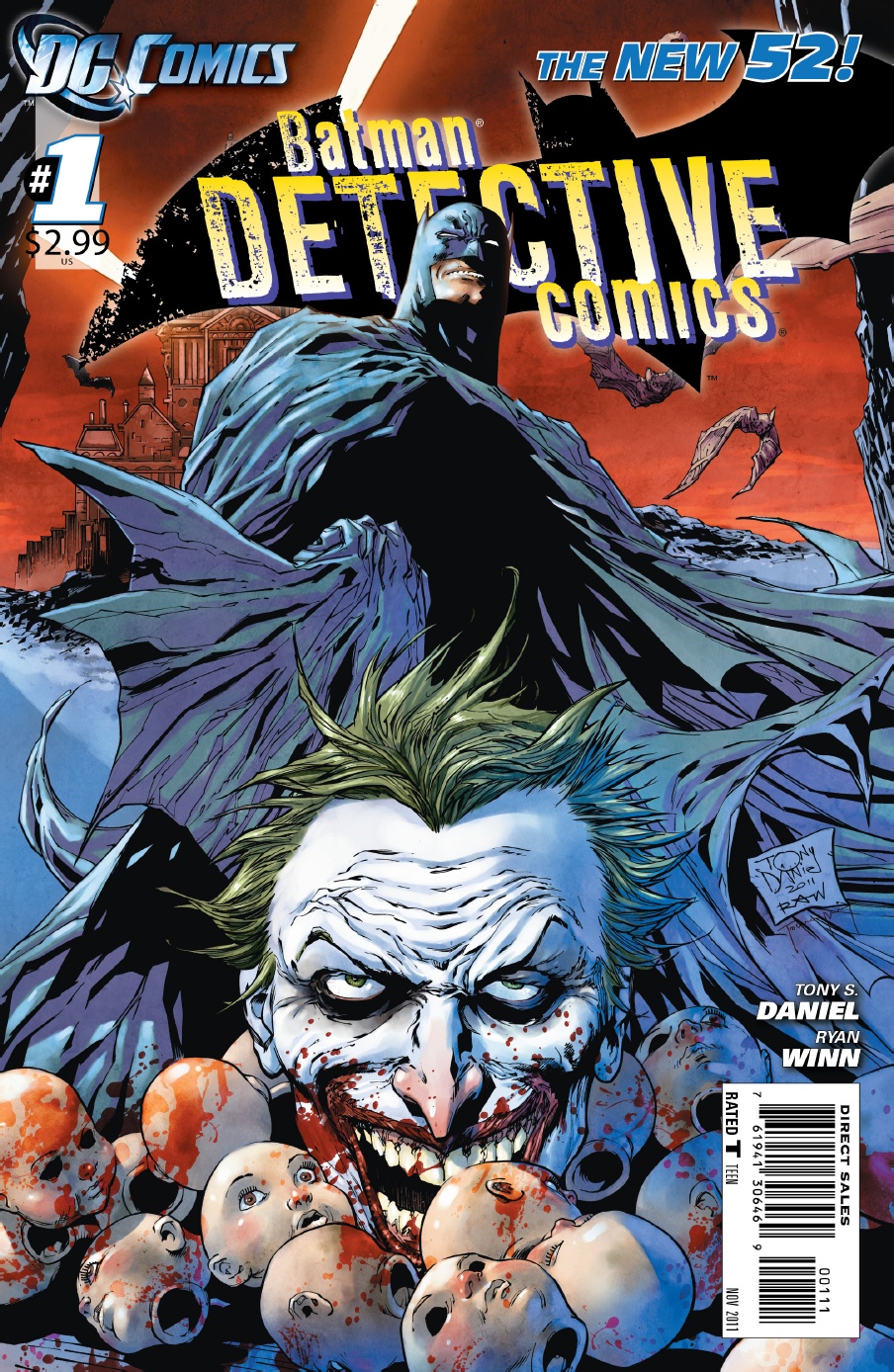
Although not as well received as Batman, DC’s flagship title (yes, DC stands for Detective Comics) has still been a good run so far.  Starting off with a particularly shocking ending to issue one, where it is revealed that someone has cut the Joker’s face off, this book has been running strong ever since.  While it periodically crosses over with the rest of the Batman titles, Detective Comics—like Batgirl—has tended towards its own plot.

Green Arrowgreen arrow
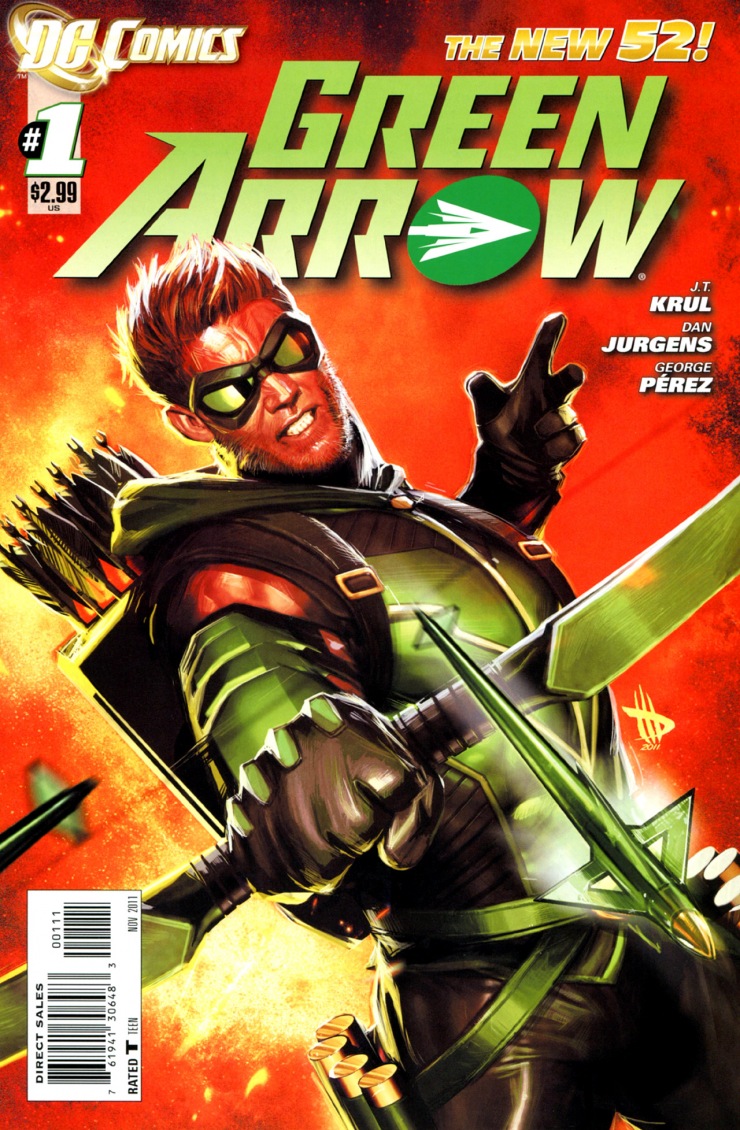
Green Arrow, although always a popular character and now star of his own CW TV show, has had several problems in recent years.  Archer characters such as Green Arrow and Hawkeye are always difficult to write for; it is hard not to make them look silly in a world populated by beings such as Superman. The rebooted Green Arrow was no different. Many fans complained that the character being written in the New 52 was not the same one they had come to know and love. Starting with issue seventeen, writing duties were taken over by Jeff Lemire and the book has made a pretty successful comeback. While the character is still different, fans were pleased by the re-inclusion of many aspects from his past. This, combined with overall better writing and improved art, have made Green Arrow a book worth checking out.

Hawk and Dove CANCELLEDHawk-and-Dove_1
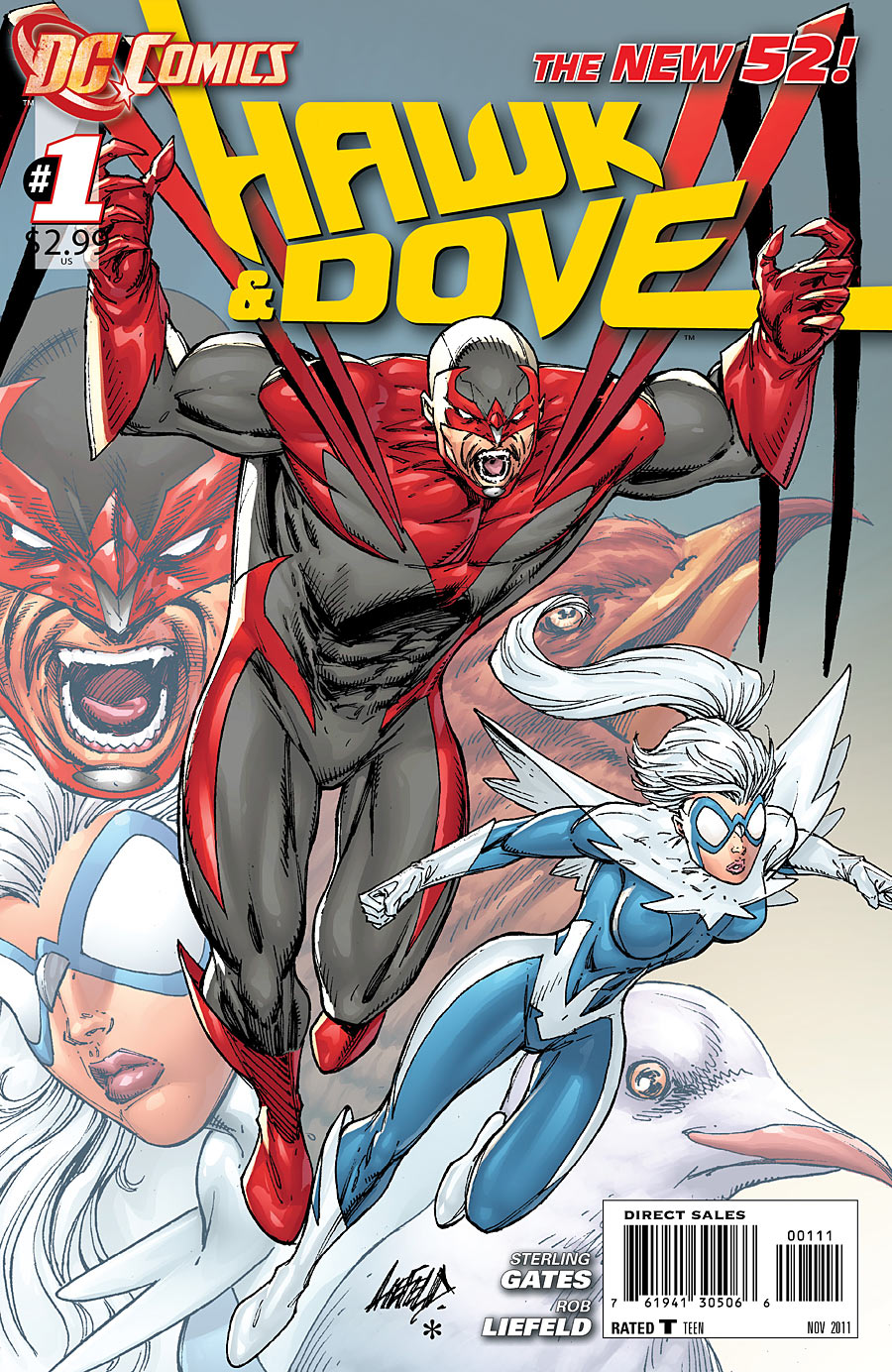
Hawk and Dove was a hot mess. The series was poorly written and simply uninteresting. Art was done by Rob Liefeld and while it wasn’t bad, it was still in Liefeld’s exaggerated and anatomically incorrect style.  Liefeld’s art may have worked in the 90’s, but by today’s standards it is just not up to par.  This helps illustrate one of the biggest issues with the New 52.  Many of the writers and artists that were recruited for the reboot were big names fifteen or twenty years ago.  Instead of packing their lineup with new and exciting new talent, DC decided that their fans needed a trip back in time.  I don’t think many people were sad were to see this series go after eight issues.

Justice League International CANCELLEDjli
A spin-off of Justice League (in case you had any doubts), Justice League International was filled with lesser characters from the DC universe who were at one point members of the Justice League, but not important enough to stay on the main team. I was a little sad to see this one be cancelled, since I am a fan of several of the characters, but I also understand the decision.  An attempted shake-up after the first round of cancellations failed to make the impact that DC had hoped, and it, too, found itself on the chopping block just four issues later, at issue twelve.

Men of War CANCELLEDmen of war
DC’s attempt at the small but consistent market for war comics was Men of War. Previous volumes of Men of War had featured many now-famous writers and artists, but this was not the case for the New 52.  Centered on Sgt. Rock, who is the grandson of the famous DC character of the same name, Men of War failed to live up to its potential and the very high bar set by other war comics and was cancelled at issue eight, to make room for the second wave.

O.M.A.C. CANCELLED omac1
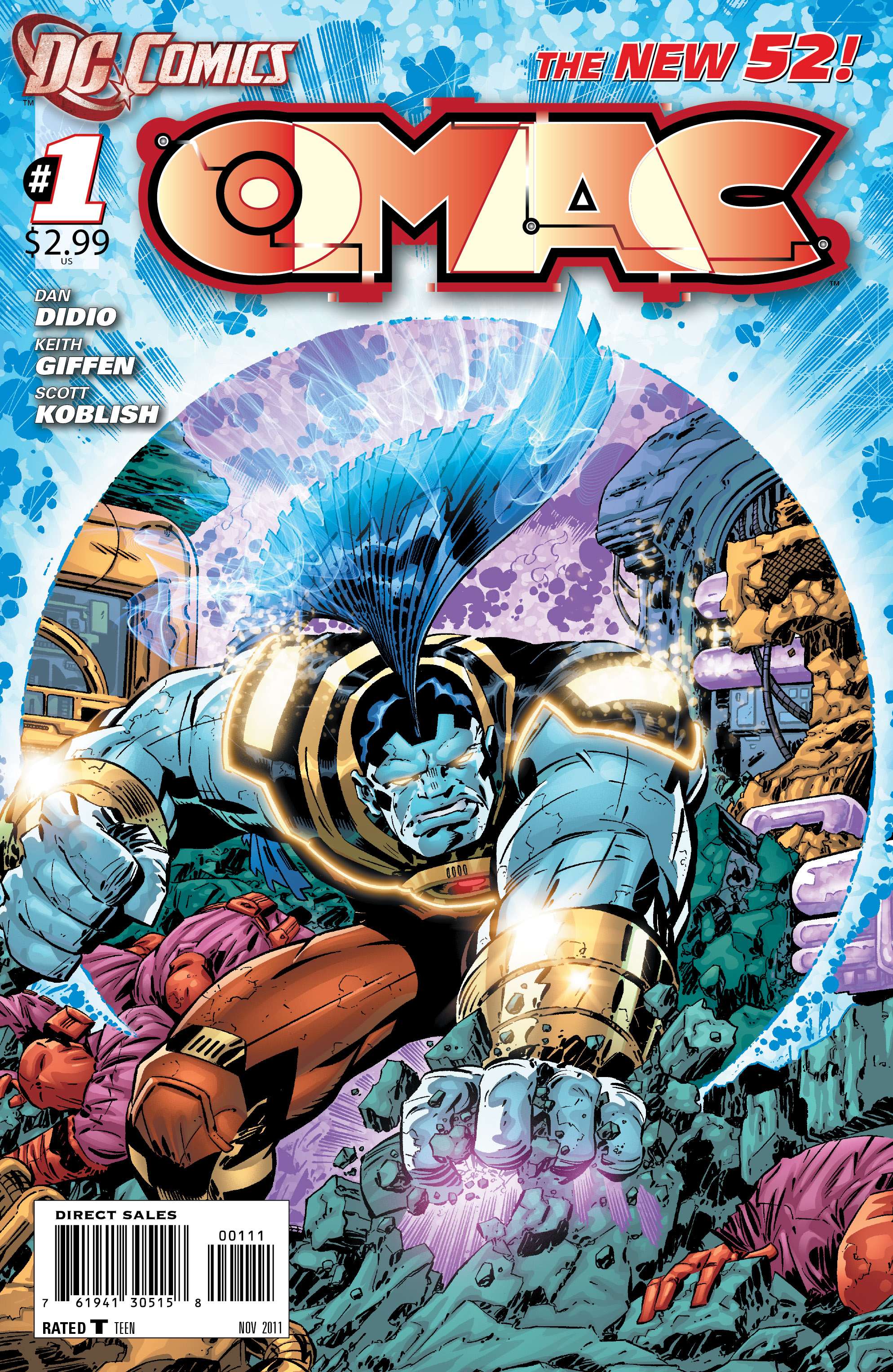
O.M.A.C is based on a classic Jack Kirby character. Much in the same way that Kirby’s original series was cancelled after only eight issues, so was the latest iteration of O.M.A.C..  The title character was moved into Justice League International until that title was cancelled as well at issue twelve.  Although the book was well received, it lacked a popular following.  It’s always a shame to see a Jack Kirby creation fail to gain traction with a modern audience.

Static Shock CANCELLEDstatic shock

Static is one of those lesser characters that somehow managed to get a book in the New 52.  I’m not surprised that Static Shock and several other books like it did not survive.  As much as geeks may love comics, if they don’t have a following, they don’t sell.  Rumor has it that Static will make some appearances in Teen Titans, likely based on his association with S.T.A.R. Labs.

StormwatchStormwatch
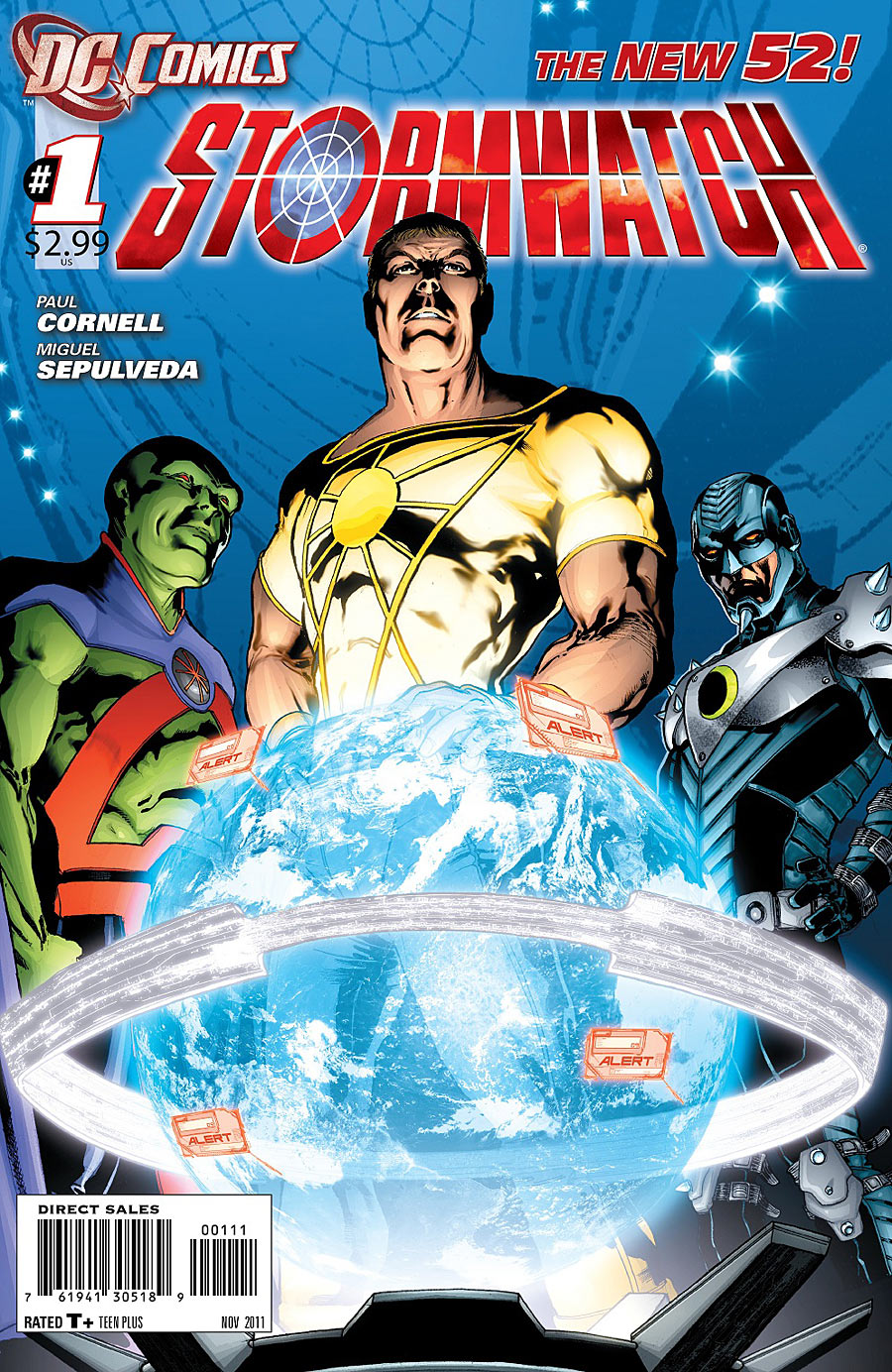
One of the original Wildstorm titles (providing the “storm” in Wildstorm) Stormwatch has made its transition to the DCU.  A team consisting of mostly returning characters, plus Martian Manhunter, is tasked with fending off the most significant of alien threats that are coming after Earth.  While the series is still going on, writer Jim Starlin, famous for many of Marvel’s cosmic comics, took over at issue nineteen and completely rebooted the series with a new team.

Swamp Thingswamp thing
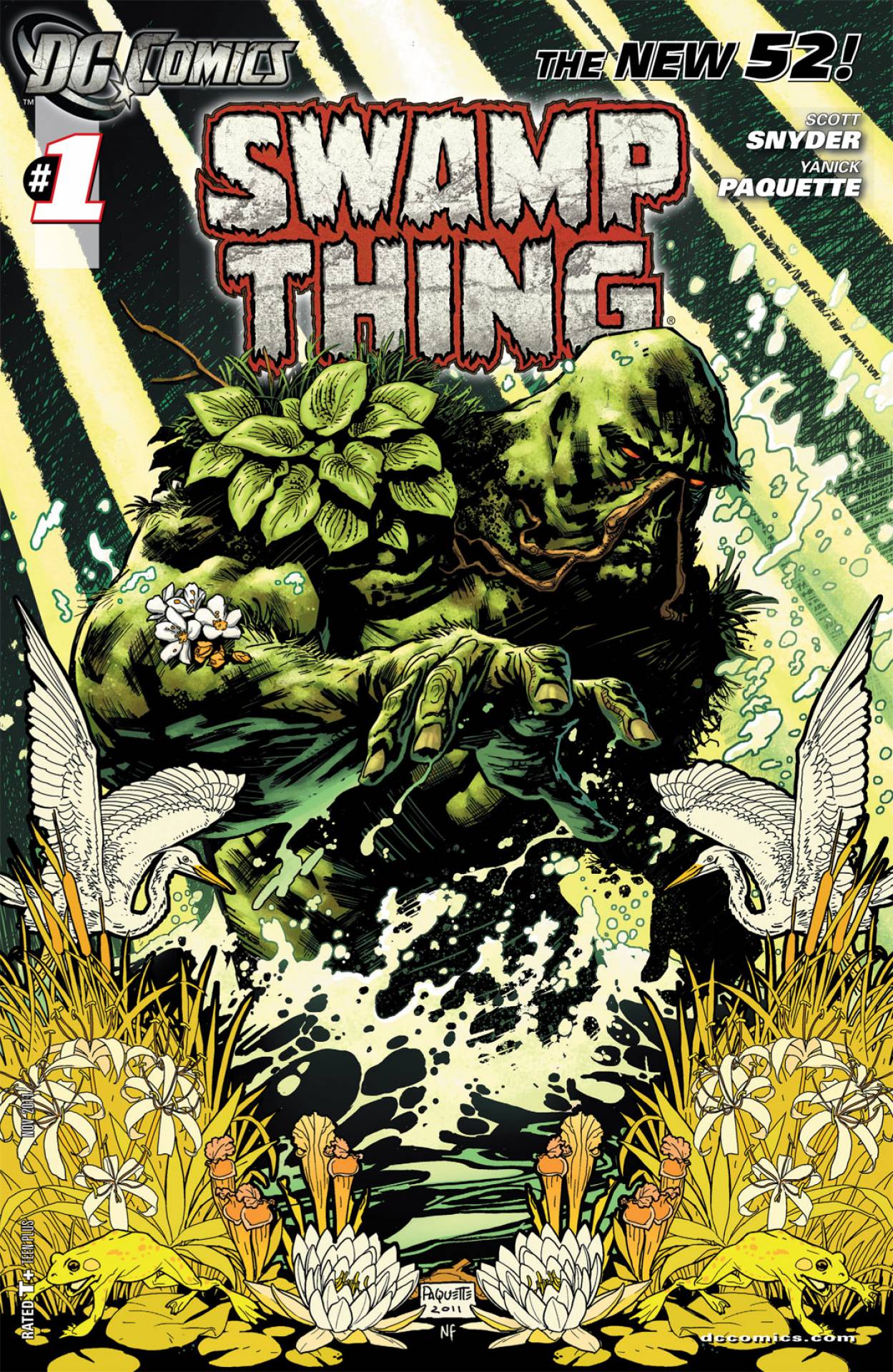
Being a legacy book, Swamp Thing has a lot to live up to.  Although the book has wandered around a bit, it has definitely lived up to its potential.  The first eighteen issues dealt with The Rot and a crossover with Animal Man that, although very good, took a bit too long to wrap up.  Scott Snyder’s writing on Swamp Thing is more of the same excellence fans have come to expect, though still not quite as good as his parallel run on Batman.  Swamp Thing is one of the standout titles from the New 52.
Leave a comment

Filed under Andrew Hales, Comic Reviews, Comics

DC’s New 52: How we got there

Just about two years ago, DC Comics decided it was time to shake things up. This was no surprise. A revolution had been coming for a while, but this time DC was starting over from issue #1 on everything in their universe. When they said everything, they meant everything, including titles that had been around since the beginning, such as Action Comics, Detective Comics, Superman and Batman. Previously these books were untouchable, the holy relics of the comic book industry, and to do something this radical to them was a risky undertaking to say the least. As we approach the two year mark of this experiment, I think it’s worth taking some time to look back and evaluate how each of the New 52 titles is doing. So each Thursday in September (and the last in August. I’m looking at you, Justice League) we’ll take a short look at those books that came out two years earlier.

New52logo1

Before we get into the books themselves, it’s probably a good idea to take a look even further back and see how DC got to the point of needing a completely clean slate. DC has a long and convoluted archive of continuity that has often been intimidating to new comic book readers trying to jump on. More than once DC has tried to pull off a universe-wide reboot, but it hasn’t always gone according to plan.

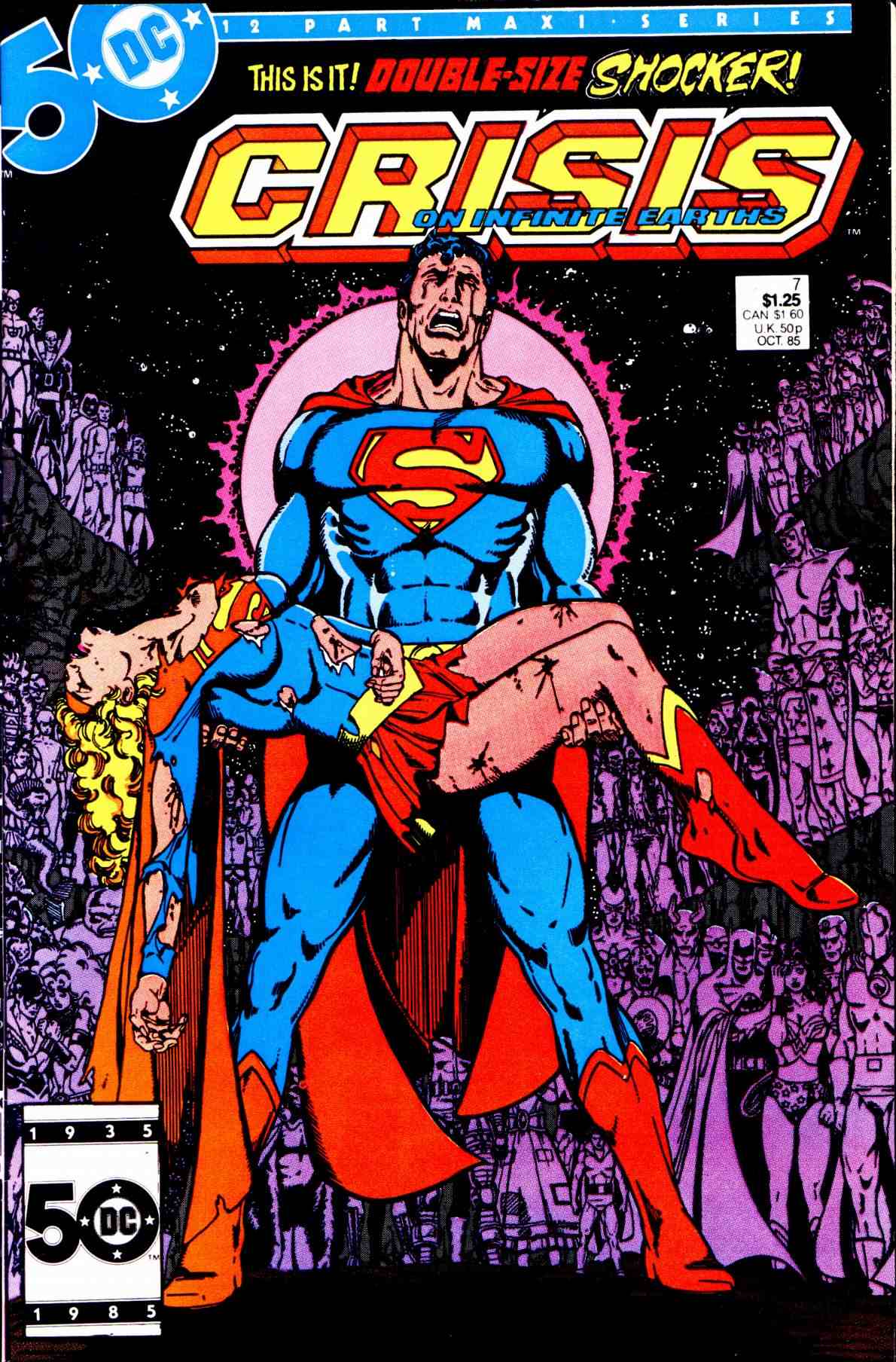
Back in 1985, DC came to the realization that fifty years of uncoordinated continuity had become too unwieldy. How could they explain to new readers that Golden Age Superman was old but alive and working with the Justice Society, while Silver Age Superman was young and a part of the Justice League? Were there two Supermans? The original attempt to explain things away was the Multiverse, an idea that many of these characters existed at the same time, but in parallel universes, each one with its own history. This worked for a while, but after time these different Earths began to cross over with an increasing frequency that once again made it difficult to keep things straight, and it was decided that something had to be done. Enter Crisis on Infinite Earths, a universe-spanning event comic that would radically alter the face of the DCU. By the end, whole swaths of characters had been removed from existence, the Multiverse was eliminated and a single Earth (with a single Superman) was left behind.

Though one of many characters killed during Crisis on Infinite Earths, Supergirl was probably the most popular character to meet her end.

Though one of many characters killed during Crisis on Infinite Earths, Supergirl was probably the most popular character to meet her end.

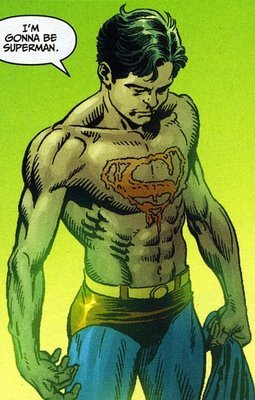
Because carving a Superman logo into your chest is completely normal

Because carving a Superman logo into your chest is completely normal

Soon, events and characters were referred to as Pre- and Post-Crisis and all was well. At least for a little while. Over the next several years, writers began to reintroduce characters and plot elements that had been wiped out in Crisis. What was originally a pretty clean restart slowly began to resemble the Pre-Crisis DCU with all of its twists and turns. Throughout all of this, though, the Multiverse stayed gone. With no Multiverse there was still a limit on how crazy plotlines could get because all the characters had to exist within the same universe. That all came crashing down when the Multiverse was brought back in Infinite Crisis. Following several lead-in mini-series, Infinite Crisis revealed that Golden Age Superman had not perished during Crisis on Infinite Earths, but had, in fact, gone into hiding with his wife Lois, Superboy Prime, and Alexander Luthor (Lex Luthor from a different Earth). When Lois’ health starts to fail, Superman determines that her health will improve if she is returned to her Earth, and they leave their hiding place and begin an attempt to replace the current Earth-1 with their Earth-2. Eventually Superboy Prime goes crazy and kills several heroes and villains, including his Earth-1 counterpart, Connor Kent. Superboy Prime is stopped, but not without causing both Supermans to be depowered and a considerable body count.

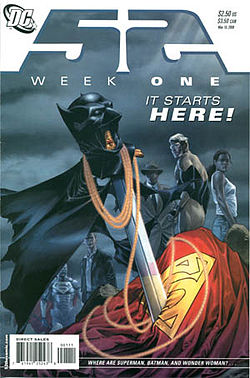
The fallout from Infinite Crisis was taken up by the breakthrough series 52. An ambitious concept, 52 released an issue a week for a full year. Even more shocking was that this series would not include DC’s holy trinity of Superman, Batman, and Wonder Woman. This decision allowed writers to use lesser known heroes, relying on character development rather than just big names. The year started out with a series of stories which are interesting but mostly unrelated, but as the weeks passed the stories became more intertwined until it culminated with the reveal of the existence of fifty-two new parallel universes, created at the end of Infinite Crisis.

250px-Cover_52_Week_One_(May_10,_2006)

Now you may think “at least we’ve made it to the New 52”, but alas, you’d be wrong. Next, fans were made to suffer through Countdown to Final Crisis, a disasterous follow up to 52 which followed 52’s weekly release schedule, but lacked its overall appeal. The storytelling was questionable at best and it was populated by characters that most people didn’t really care about. Additionally, the plotlines became so skewed as the series progressed that by the time it ended they no longer lined up with Final Crisis. Subsequently most of the storylines were retroactively removed from continuity.

Thankfully Final Crisis turned out much better than its lead-in event. Written by DC’s powerhouse writers Grant Morrison and J.G. Jones, Final Crisis was a well written, if confusing story. Further tapping into lesser known characters, and adding more than a few of his own, Morrison made considerable use of Jack Kirby’s New Gods, most of whom had not seen much use in recent years. Additionally, the Multiverse played a major role in the Final Crisis with the inclusion of the Monitors, a whole race based on one of the key players from Crisis on Infinite Earths. While a great story, Final Crisis was anything but final and did little to help maintain the clean continuity that DC had attempted to setup all those years ago. And oh yeah, Batman died.

Are we starting to see a theme emerge?

Are we starting to see a theme emerge?

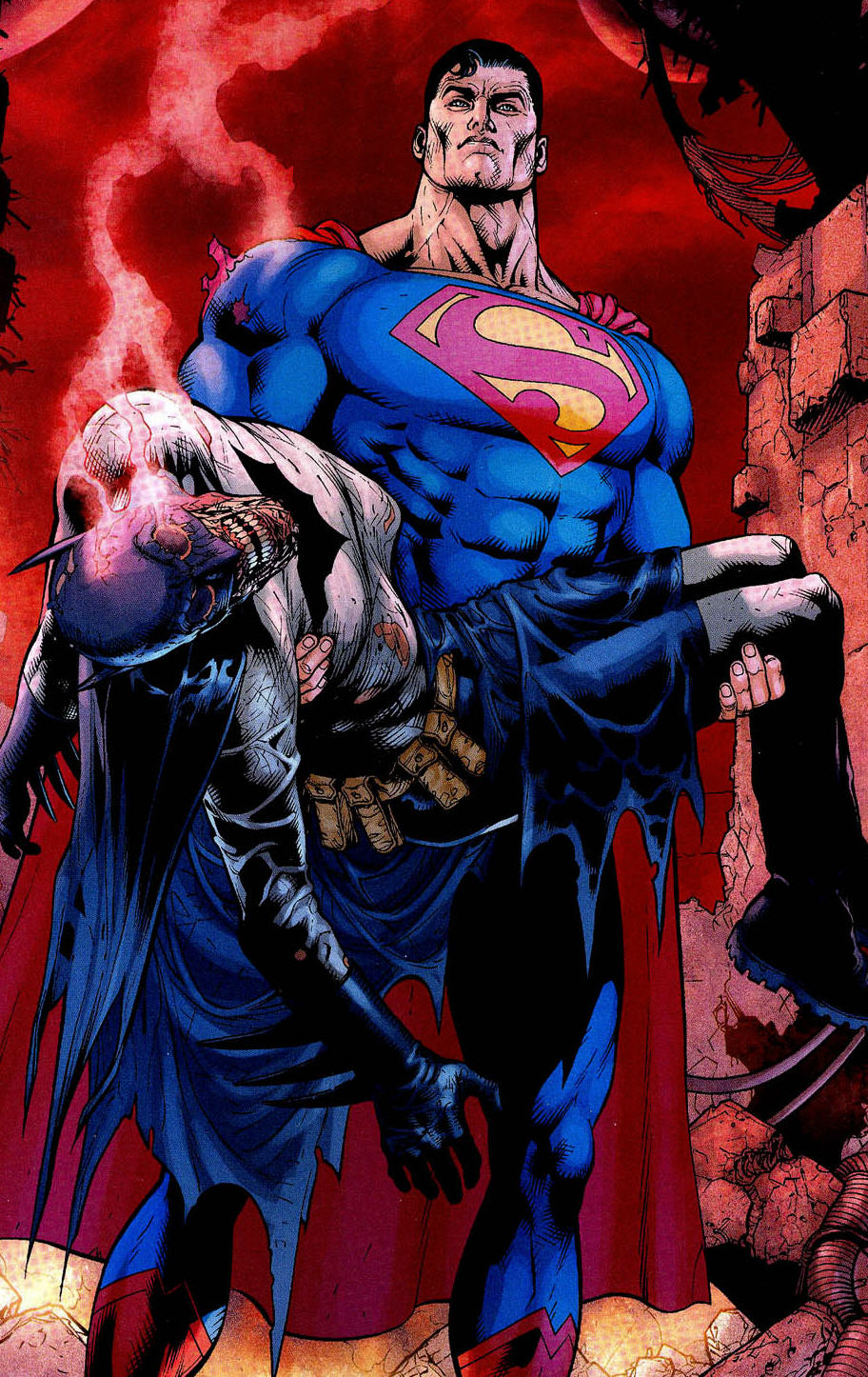
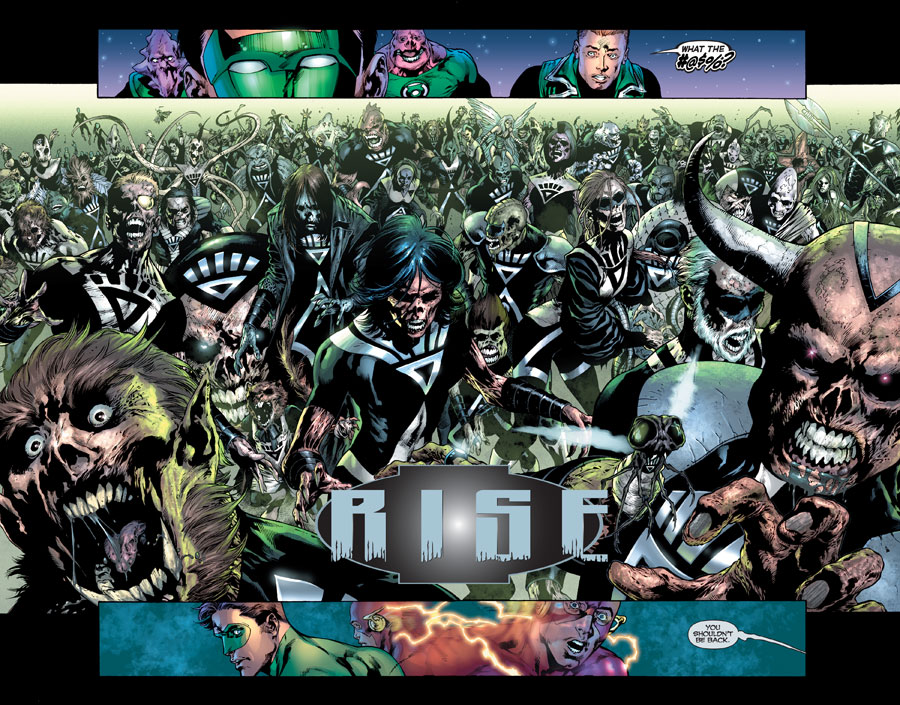
This being comics however, Batman came back (Turns out he was just trapped in the past. Happens to me all the time), just like many characters before him. While he was gone, however, readers were treated to Dick Grayson as Batman, as well as the DCU-spanning Green Lantern event, Blackest Night. As if things hadn’t been confusing enough, Blackest Night brought many dead heroes and their loved ones back to life as Black Lanterns (If your head wasn’t hurting before this, it should be right about now). While impressive for its cosmic scale, Blackest Night was a nightmare for those not intimately familiar with DC’s continuity.

I see dead people...a lot of them.

I see dead people…a lot of them.

The final stop on our journey to the New 52 is Flashpoint. The Flash (Barry Allen) wakes up in what he believes to be an alternate timeline in which Wonder Woman and Aquaman are at war with one another and Batman is Thomas Wayne, whose son Bruce was killed in Crime Alley. Eventually Barry finds out that he is not in an alternate timeline, but in his own timeline that has changed after he attempted to travel back in time to save his mother from dying. Barry is eventually forced to undo what he has done and in the process the DC universe merges with those of its imprints, Vertigo and Wildstorm, and the timeline resets, leaving us with the New 52.

This controlled reboot of the DCU was twenty-six years in the making and took several failed attempts to get right. Through the next five weeks, Therefore I Geek will explore the things DC has gotten thing right and point out areas in which they took a misstep or two. Each week we will discuss the first wave books that were released that week two years ago and see where they’ve been, what’s going on now, and where they are headed. Lucky for you, Week One only consists of one book, Justice League. Stand by for Weeks Two through Five and join us for a look at the state of the DCU.

6 Comments

Filed under Andrew Hales, Comic Reviews, Comics