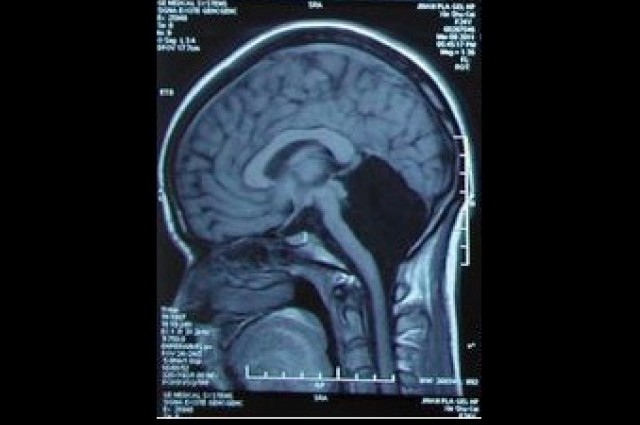
Now I don’t know about other people but I really enjoy watching Scarlett Johansson. What I can’t stand is when movies are based on complete junk science, and unfortunately it seems that Scarlett’s newest movie Lucy is one such movie. The basic concept is that Johansson’s character begins gaining superpowers after being exposed to a drug that allows her to access her entire brain. The truth of the matter, however, is that humans really do use nearly all of our brains. While it is not all used for conscious actions, studies and experiments have shown that every part of our brain has an important function. This makes a lot of sense given that even when a very small percent of the brain has been damaged it can still have a major impact on a person’s ability to function.

The article also has a humorous example of what happens when people without ADD take ADD meds like Ritalin.
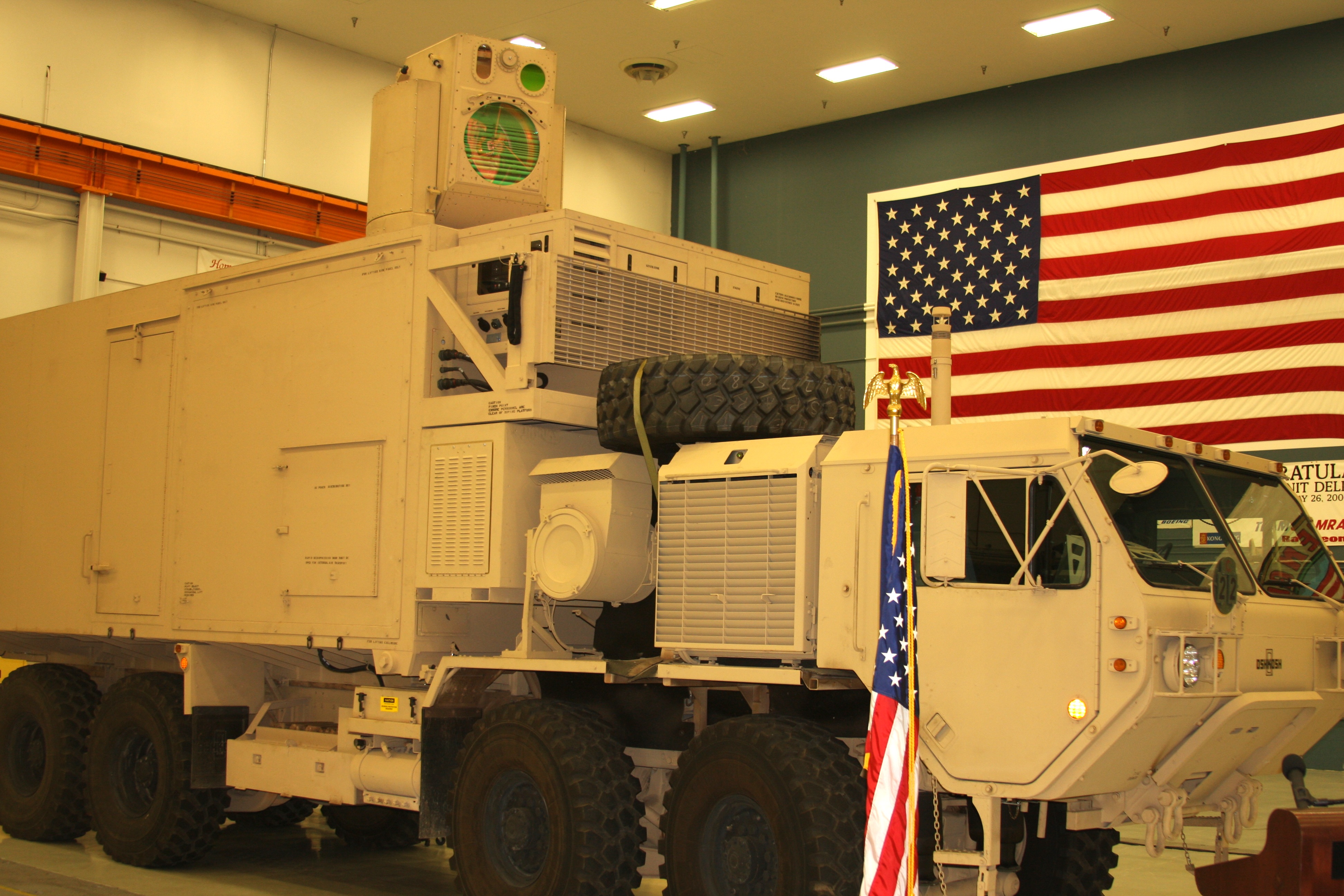
Given recent events in Ukraine and the Middle East, anti-missile technology has returned to the forefront of many people’s minds. While systems that use missiles to shoot down other missiles or rockets are the current standard, many military groups are turning to something from science fiction, lasers. Obviously lasers themselves aren’t science fiction, but the idea of using them to destroy missiles harkens back to the pulp novels of the 1950s. The star wars program of the 1980s made some attempts to use lasers, but they weren’t particularly successful. Recent tests however have met with much better results. One system was able to track and hit mortars as they were fired, though it is not yet powerful enough to destroy the mortar.
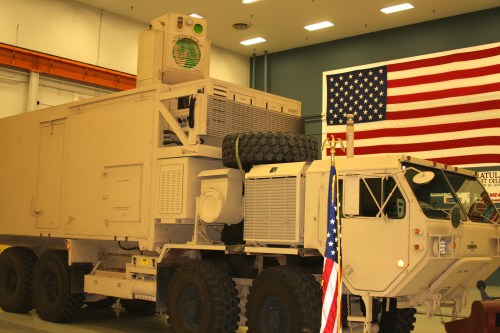
There is still quite a long way to go, but lasers show surprising promise.
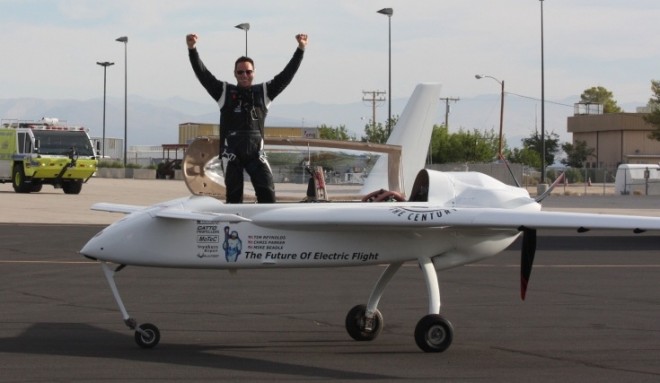
Most of the time when we think of green vehicles, we think of cars such as those from companies like Tesla. I would wager that most people wouldn’t think of airplanes, but Chip Yates does. Yates now holds five, world speed records, all using a battery powered aircraft. The small craft is equivalent to single engine aircraft like Cessna. Battery powered aircraft actually have several advantages over standard motor driven planes, the biggest of which is that the motor doesn’t need air. As a plane increases its altitude, the air gets thinner and therefore the engine output goes down. An electric plane doesn’t have that problem and can maintain an even climb speed, no matter the altitude. Of course battery powered planes suffer from the same weakness that other battery powered vehicles do: that of range. At full power, the plane can only stay in the air for fifteen minutes.
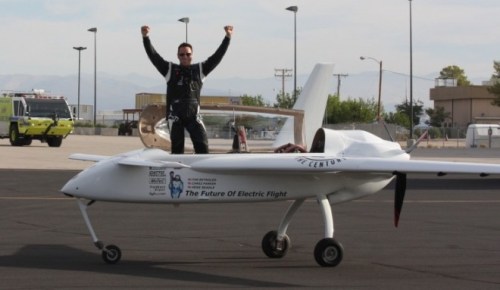
Chip Yates with his electric plane.
Despite the current limits, Yates dreams of someday recreating Charles Lindburg’s transatlantic flight in an electric plane.




 Therefore I Geek