
Winter is coming. Fall is upon us and that means a lot of big name games are going to see release next month. Every year about this time, gamers are in the midst of the fall release schedule. The big names save their releases for November, so some of the B and C-list titles tend to make good use of the season and plan their releases around them. Every developer is vying for a piece of the holiday pie in the form of your money. It should be expected, then, that the games you purchase are whole and complete. However, digital media have a flexibility that other forms do not. With the internet at their beck and call, getting a game patch to consumers is very easy to do. So easy, in fact, that game developers expect consumers to accept the patches as a part of the experience. This is not a good thing for gamers.
I remember the good old days of gaming. The days when games came on cartridges, and the internet was just a twinkle in Al Gore’s eye. Those were the days when arcades had the coolest games, and consoles were in their infancy, but growing fast. The games produced back then were all self-contained. The developer had only one cartridge on which to create the game. They had to work within the memory, storage, and computing capacities of any given system. The result was a game that had been thoroughly tested, balanced, and de-bugged, because the developer knew that it could not change any part of the game once it was released. The internet has given the developers leeway to get sloppy and we, the gamers, have allowed them to do so. People, like electricity, tend towards the path of least resistance.
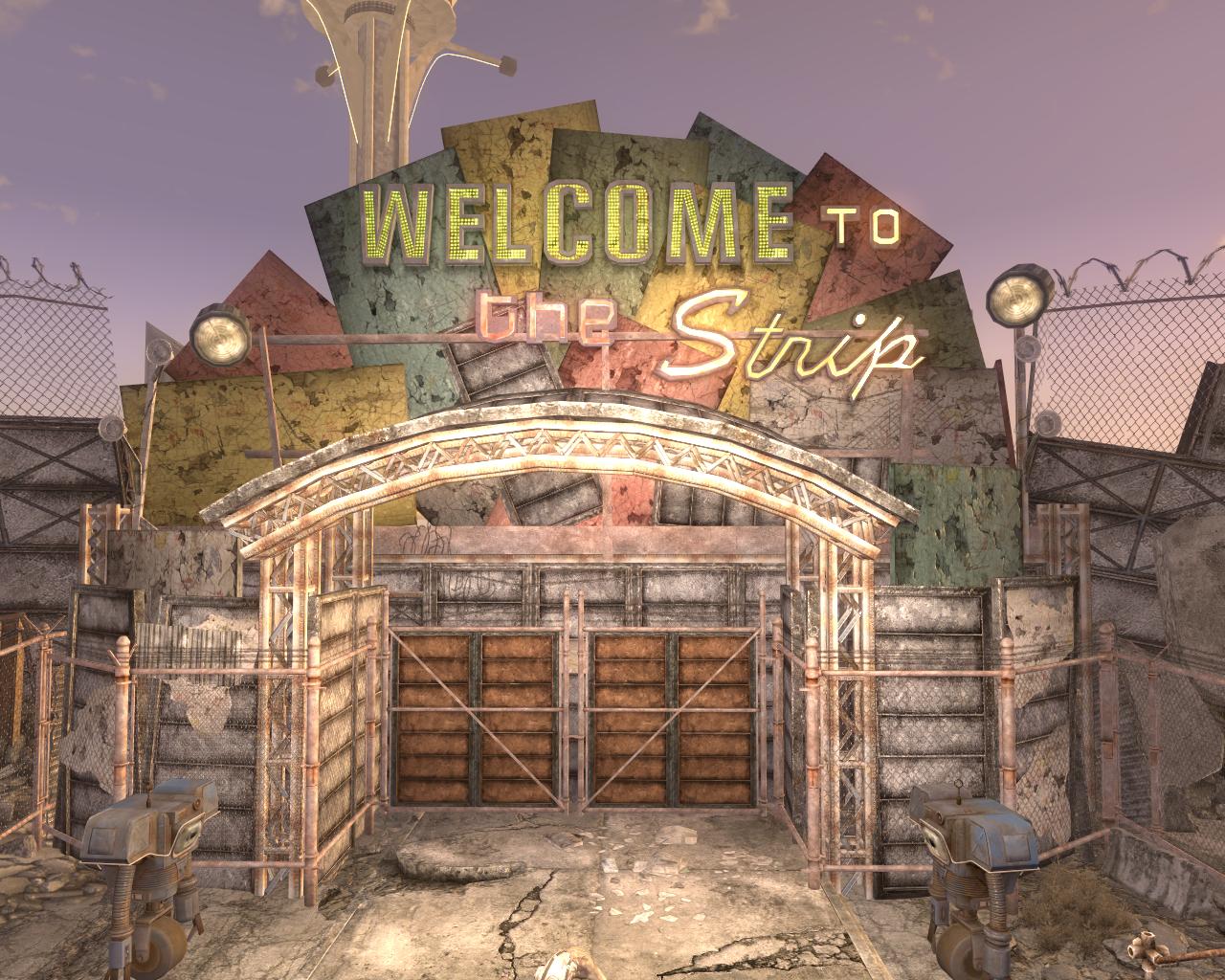
Fallout: New Vegas, an expansion to the Fallout 3 universe is one of the more famous cases of a buggy release. Some glitches in that game, if triggered, kept the player from moving the story forward and effectively rendered that playthrough broken. Oops, sorry fans. Last year’s release of Battlefield 4 saw similar problems with glitching and unbalanced weaponry. Nine major patches were released between the October release last year and March. This was five months of fixing and balancing that should have been ironed out before release. They are still releasing major patches regularly. On the website right now there is an article intended to get everyone excited about the new “fall patch.” For a year, they have continuously updated the game based on bugs and balance issues that the players have found. Instead of taking the time to do it correctly, Electronic Arts decides to use its fans to beta test the game even while those fans pay for it. Lame. EA Games’ hype machine for these patches, I feel, is like a back-handed complement. On one hand it’s great that the game is being constantly updated and tweaked to allow for fun and exciting multi-player experience. On the other hand, having to make major changes to a game after releasing implies that we gamers will gladly be treated like dogs begging for scraps at the dinner table. Sadly, many times we do.
This year’s Dark Souls 2 also has seen plenty of patches to help balancing and difficulty. Some of the patches made sense. The in game summon-able characters were pretty weak in early versions. Now they are a little beefier, and the story elements and equipment rewards tied to them are easier to obtain. That is a good thing. However, one of the most recent patches nerfed the Lighting Spear miracles so hard that they lost seventy five percent of their castings, and no longer do the same amount of damage. Sure, a lot of boss battles became Lightning Spear spam-fests, but they didn’t have to nerf that miracle to the point that it became impractical to use. What From Software should have considered was significant balance testing so they could get a good idea of what is over-powered or over-used. Instead, the developer sees a behavior they didn’t intend or plan for, and releases a patch to fix it as a knee-jerk reaction. Again, had they taken a bit more time to balance the game or to more beta-testing (instead of a network-release), these issues could have been addressed before they became a problem.
Great games take time, talent and money. None of the three are available in unlimited amounts, so the delicate dance a developer makes with the publisher to give gamers and fans a well-executed game should not be overlooked. Games are complicated and it is difficult to coordinate all the artists, programmers, marketers, hardware developers, software developers, and other talented team members. Gamers understand this and are extremely forgiving when it comes to the inevitable glitches and problems that arise in the finished product. That doesn’t give license to the developers to abuse that relationship. There’s a name for a game released too early. It’s called an “obvious beta,” and it leaves a bad taste in the mouth.
It’s not all doom and gloom. The coming season brings video game enthusiasts some titles to get excited about. Activision is giving us the latest in its wildly successful Call of Duty franchise, out November 4. Ubisoft is offering Assassin’s Creed Unity, and is even throwing a bone to those who haven’t moved up to the next-gen consoles yet by also releasing Assassin’s Creed Rogue. That’s a classy move; both are released November 11. They do it again with the fourth installment of Far Cry, coming to old and new consoles alike November 18. Also out that day is Rockstar Games’ latest ode to crime and debauchery, Grand Theft Auto V. All of these franchises share a common trait; they all have a long history of being thoroughly tested and balanced. If a patch was released at all for any of the previous games, it wasn’t to address game-breaking issues. It’s getting colder outside and it’s looking like there are going to be plenty of reasons to stay warm inside.
Players are consumers. They have the right to expect a full and complete product. Developers need feedback and constructive criticism to know what they are doing right, and what they are doing wrong. They also have myriad options available to obtain this information before rushing a release. They can release a beta, and tell their fans they are behind schedule and need to find bugs fast. Their fans will be only too eager to find those bugs and provide assessment. Social media provides an almost instantaneous link between Developer and consumer that should be cultivated and encouraged on both sides. This is not to suggest that games must always use their fans in the development process. It is to say to developers that, if you get into a pinch and need some quick feedback to meet deadlines, release a beta, get the information you need and finish the game properly. Everyone will win out in the end.
– by Kurt Klein


 Therefore I Geek