Tag Archives: Popular Science

Winning Science March 19, 2014

Ever wonder what’s really going on at the center of the galaxy? Later this month, scientists who ponder that exact question are getting a real treat. A cloud of gas roughly three times the size of earth appears to be on a direct course for the incredibly massive, black hole that resides at the center of our galaxy. Telescopes across the globe are being trained on the phenomenon in order to gather as much data as possible. No one is quite sure what is going to happen, but everyone agrees it will be worthy of study.

I am 99.99% certain this is NOT what they're going to find.

I am 99.99% certain this is NOT what they’re going to find.

Since the center of the galaxy is 26,000 light years away, all of this actually took place 26,000 years ago.

While we all live on this planet, it is easy to forget how little humanity actually knows about the make up of our home. Within a brown diamond found in Brazil, experts have found small amounts of ringwoodite, a substance that is only formed under extreme pressures and has previously never been found naturally on Earth. The ringwoodite is thought to have been formed in the transition layer between the upper and lower mantle where there appears to be considerable amounts of water present. It’s even possible that the amount of water in the mantle is equal to the amount in all the world’s oceans.
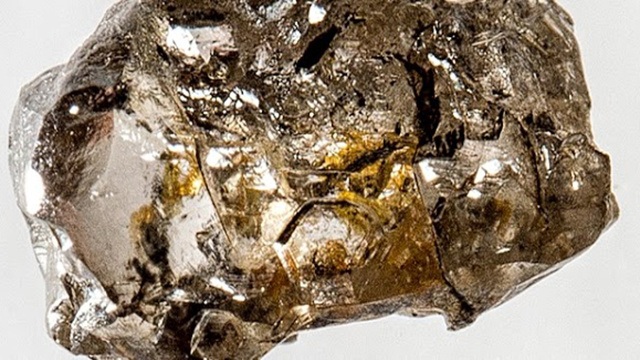
I actually find it quite pretty.

I actually find it quite pretty.

The article refers to the brown diamond as “worthless.” I have a hard time comprehending diamond and worthless in the same sentence.

There are many things that separate man from animal, but possibly the most profound is our curiosity–our desire to learn more.  That’s the topic of “The Editor’s Letter” in the April issue of Popular Science.  Humans, more than most creatures, are capable of deriving a physical high from the act of learning. We are built in a manner that encourages curiosity and learning, much to the benefit of our race.
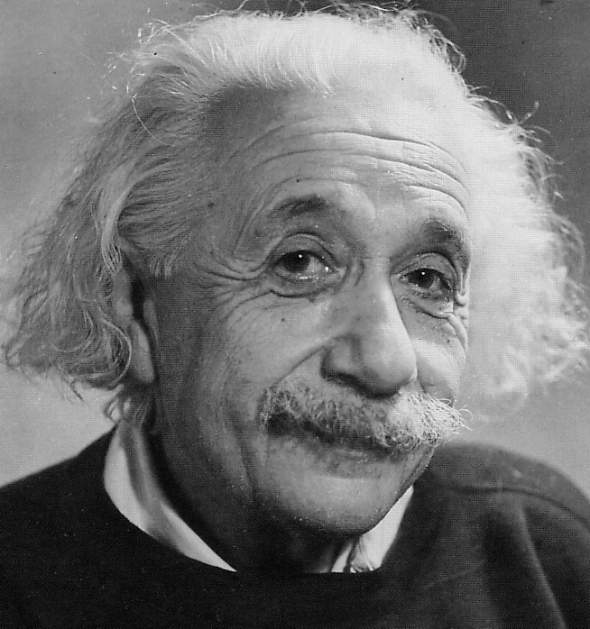
Einstein described himself as having no special talents, only passionate curiosity.

Einstein described himself as having no special talents, only passionate curiosity.

It doesn’t even matter what you’re learning about, the physical reaction is the same, though the topics of interest obviously vary from person to person.
Leave a comment

Filed under Weekly, Winning Science

Winning Science September 18, 2013

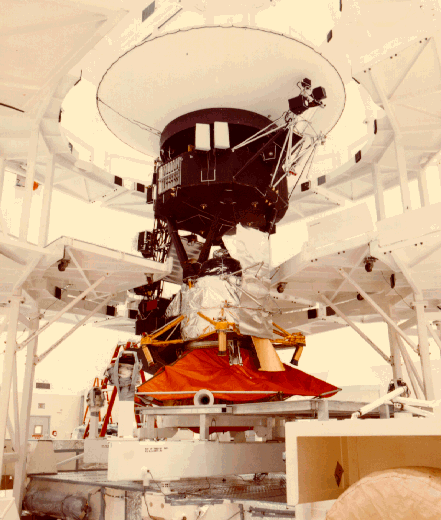
I know we’ve all heard this one before, but Voyager 1 has officially left the solar system, at least until they make another announcement. Launched in 1977, Voyager 1 is the first manmade object to travel beyond the confines of our solar system and into interstellar space. Considering Voyager 1 has taken 36 years to get to where it is, it’s not likely its going to have any company any time soon.

voyager11_large

This thing is getting some great gas mileage.

Keeping with our space theme, we have news from SpaceX. The commercial space flight company is going to be performing a second static test of their Falcon 9 rocket. Due to some anomalies (love that word, especially when it involves space) during the last test, they’ve decided to perform another one. Unfortunately for them the test will be pushed back until the end of the month due to Air Force’s testing of ICBMs.

At least it turned out better than the early days of NASA.

Today is the release of iOS 7, which by the time you are reading this has probably somehow bricked my phone. But for those of you who are not as unlucky as I am, we’ve found a handy little guide to help you prep your phone prior to updating. They provide some common sense kind of stuff like backing up your pictures and videos just in case.

ios7_homescreen

Well at least my phone will be a very attractive looking brick.

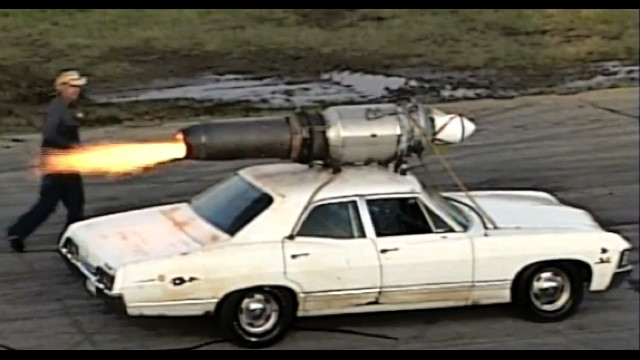
Finally, Popular Science has answered a question that I’ve had since I was a kid; What happens if you put rocket fuel in your car? Turns out, not much. I’m kind of disappointed

It's not nearly as funny as this will end up being.

It’s not nearly as funny as this will end up being.

Leave a comment

Filed under Winning Science

Winning Science September 4, 2013

NASA is in trouble. Or at least so says Scott Pace, Director of the Space Policy Institute. In an open press call, Pace expressed concern about the overall lack of direction within the administration. Without a clear, long term mission, American manned space flight will likely end with the International Space Station.

nasa_logo

It would be disgraceful if the country that first put a man on the moon completely gave up on the idea of exploring the universe beyond our small blue planet.

I don’t know about you, but there has been more than one occasion that I’ve needed a bit of extra cash.  I may or may not have considered selling a kidney to get that extra cash.  (Don’t look at me like that. I know I’m not the only who has thought that might be a viable financial decision.)  I’m glad I didn’t however, because it turns out I would have gotten ripped off.

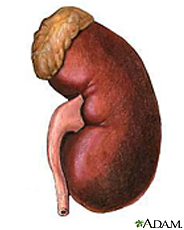
Is it just me, or does it look like this kidney is wearing a toupee.

Is it just me, or does it look like this kidney is wearing a toupee.

Turns out the people selling the organ don’t really get that much of the money.  Glad I went with underground D&D games to earn my cash.

Finally, in the weeks to come, I, like many of you, will be forced to update to iOS 7, whether we want to or not. Personally, I’m fine with the idea.  There is certainly room for improvement in the current iOS.  I’d really enjoy not going through five different actions to turn my bluetooth on or off.  I’m pretty sure the guy driving next to me would appreciate that as well.  Some basic uniformity wouldn’t hurt either.

apple-logo

Steve Jobs is rolling in his grave right now. Do a barrel roll, Steve!

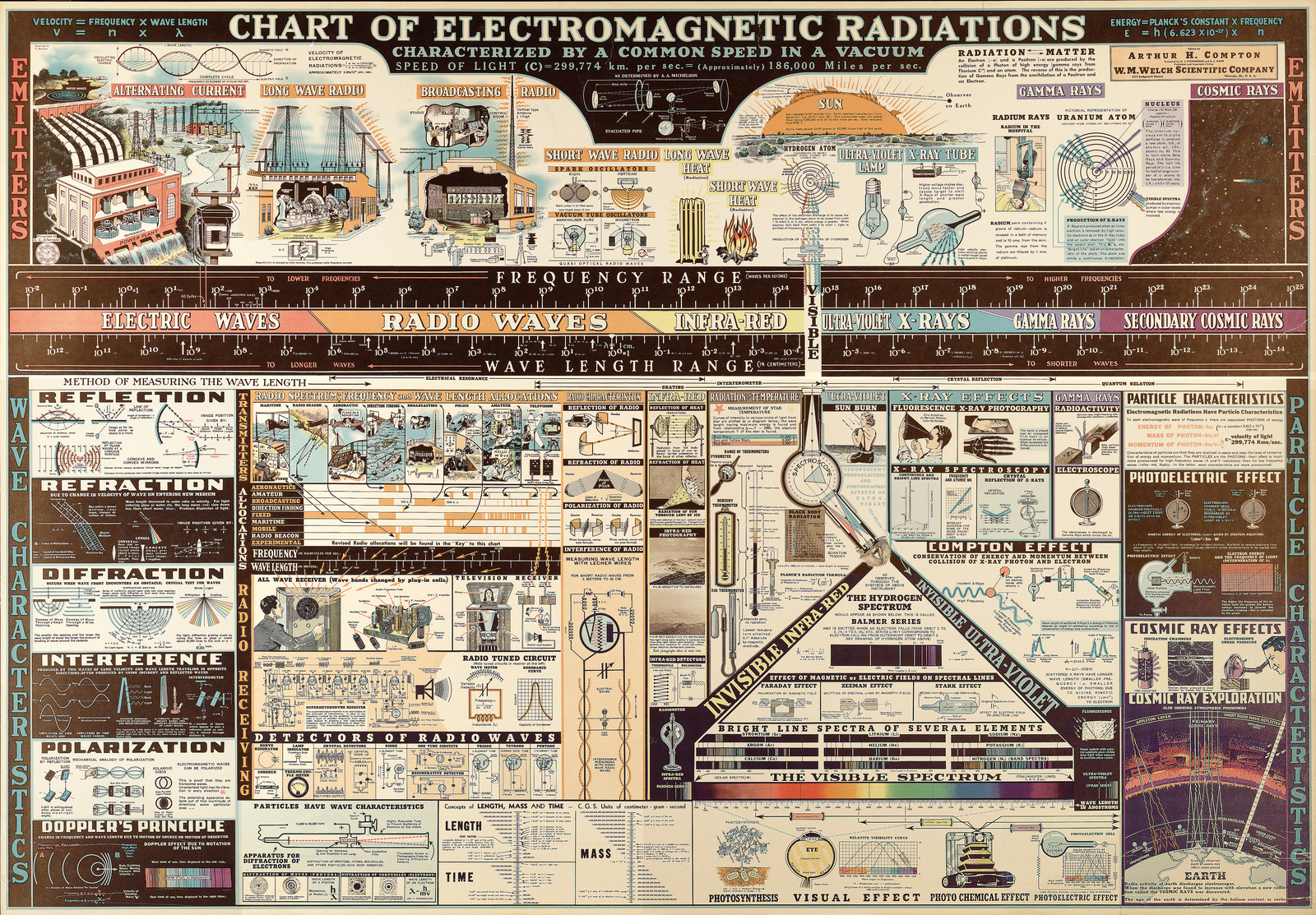
Lastly, I’d like to end this week’s segment with a fantastic piece of science history. A beautiful chart explaining electromagnetic waves from the 1940’s has been brought to us by Popular Science.

EM waves

Leave a comment

Filed under Winning Science

Winning Science July 31, 2013

As July wraps up, here’s some of what’s happening in the world of science.

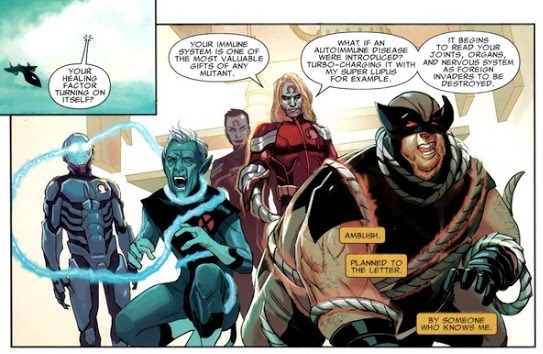
In keeping with this week’s Wolverine theme, we have an article from Popular Science talking about what Wolverine’s real weaknesses would be.

Uncanny X-Force Vol. 1, #26 This won't be pretty

Uncanny X-Force Vol. 1, #26
This won’t be pretty.

One that was left out in the article that the comics picked up on not so long ago, is autoimmune disease. With his super immune system, this could cause all kinds of unpleasant things to happen.

Yesterday commemorated the 55th birthday of NASA . And here is the document that made it all possible

nasa_logo

We love the work NASA has done, but seriously, it’s time to GET BACK UP THERE! If the Virgin Records guy gets to Mars before they do, I’m gonna be seriously annoyed.

Some lucky (or perhaps unlucky) diner will soon have the chance to eat the world’s first artifically grown hamburger. A lab in the Netherlands has developed this using beef muscle stem cells at a cost of $384,000. I’ve heard some grumbling that this a waste of scientific resources, but this same research might be applied to the growing of new organs. It may also help address future global food shortages.

Om Nom Nom Nom

Om Nom Nom Nom

I’m all about trying new foods, but at least for the moment, I’ll stick with the real thing.

And finally Mr. Charles Darwin is making way for Ms. Jane Austen. Coming soon the £10 note will now feature the face of author Jane Austen.

Ooooo, fancy.

Ooooo, fancy.

While not purely a piece of science news, let’s be honest, Charles Darwin is the father of evolution. Still, maybe it’s time someone else had a turn on the money.

Leave a comment

Filed under Winning Science