Tag Archives: NASA

Winning Science September 18, 2013

I know we’ve all heard this one before, but Voyager 1 has officially left the solar system, at least until they make another announcement. Launched in 1977, Voyager 1 is the first manmade object to travel beyond the confines of our solar system and into interstellar space. Considering Voyager 1 has taken 36 years to get to where it is, it’s not likely its going to have any company any time soon.
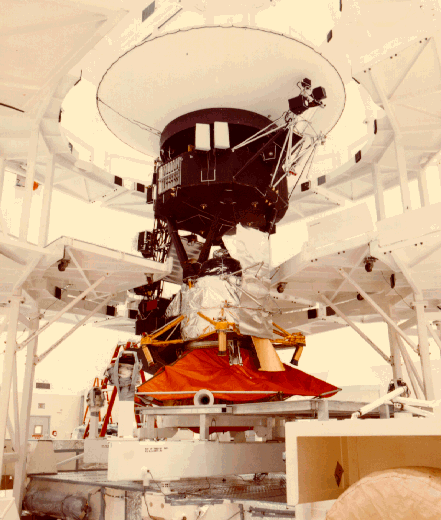
voyager11_large

This thing is getting some great gas mileage.

Keeping with our space theme, we have news from SpaceX. The commercial space flight company is going to be performing a second static test of their Falcon 9 rocket. Due to some anomalies (love that word, especially when it involves space) during the last test, they’ve decided to perform another one. Unfortunately for them the test will be pushed back until the end of the month due to Air Force’s testing of ICBMs.

At least it turned out better than the early days of NASA.

Today is the release of iOS 7, which by the time you are reading this has probably somehow bricked my phone. But for those of you who are not as unlucky as I am, we’ve found a handy little guide to help you prep your phone prior to updating. They provide some common sense kind of stuff like backing up your pictures and videos just in case.

ios7_homescreen

Well at least my phone will be a very attractive looking brick.

Finally, Popular Science has answered a question that I’ve had since I was a kid; What happens if you put rocket fuel in your car? Turns out, not much. I’m kind of disappointed
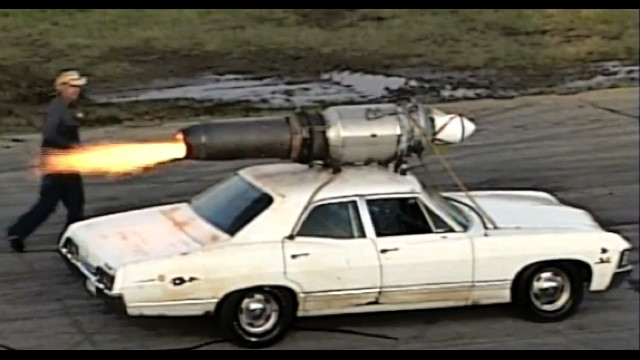
It's not nearly as funny as this will end up being.

It’s not nearly as funny as this will end up being.

Leave a comment

Filed under Winning Science

Editorial | NASA’s Historic Lunar Launch

NASA has once again made history with its launch on Friday of the Lunar Atmosphere and Dust Environment Explorer. They call the probe LADEE, but blatantly mispronounce it as “laddie;” to which I say, “Tut, tut, NASA.”

LADDEE preparing for its historic mission.

As its name suggests, the probe is going to run tests on the atmospheric conditions on the moon as well as changes in the lunar dust due to environmental factors. It will orbit the moon for approximately 100 days, and then crash into the surface at the end of its mission.

LADEE is a test model for low-cost space missions. Since NASA has been receiving considerably less in government funds (and has defunded manned space-travel completely), this mission will be important to allow the program to continue space exploration while maintaining its budget.

The liftoff moment (last Friday at 11:27 p.m.) was visible from much of the east coast. Students at William & Mary were even able to watch the launch from the sunken gardens in the middle of campus.

Liftoff!

Not only is this probe fascinating for its mission, but because it launched from Virginia’s Eastern Shore, it also makes the commonwealth a lunar launch site for the first time. Considering that Virginia’s NASA outpost in the city of Hampton has been a major participant in NASA training missions for decades, this is a huge deal.

Leave a comment

Filed under Editorial, Tracy Gronewold

Winning Science September 4, 2013

NASA is in trouble. Or at least so says Scott Pace, Director of the Space Policy Institute. In an open press call, Pace expressed concern about the overall lack of direction within the administration. Without a clear, long term mission, American manned space flight will likely end with the International Space Station.

nasa_logo

It would be disgraceful if the country that first put a man on the moon completely gave up on the idea of exploring the universe beyond our small blue planet.

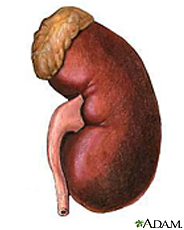
I don’t know about you, but there has been more than one occasion that I’ve needed a bit of extra cash.  I may or may not have considered selling a kidney to get that extra cash.  (Don’t look at me like that. I know I’m not the only who has thought that might be a viable financial decision.)  I’m glad I didn’t however, because it turns out I would have gotten ripped off.

Is it just me, or does it look like this kidney is wearing a toupee.

Is it just me, or does it look like this kidney is wearing a toupee.

Turns out the people selling the organ don’t really get that much of the money.  Glad I went with underground D&D games to earn my cash.

Finally, in the weeks to come, I, like many of you, will be forced to update to iOS 7, whether we want to or not. Personally, I’m fine with the idea.  There is certainly room for improvement in the current iOS.  I’d really enjoy not going through five different actions to turn my bluetooth on or off.  I’m pretty sure the guy driving next to me would appreciate that as well.  Some basic uniformity wouldn’t hurt either.

apple-logo

Steve Jobs is rolling in his grave right now. Do a barrel roll, Steve!

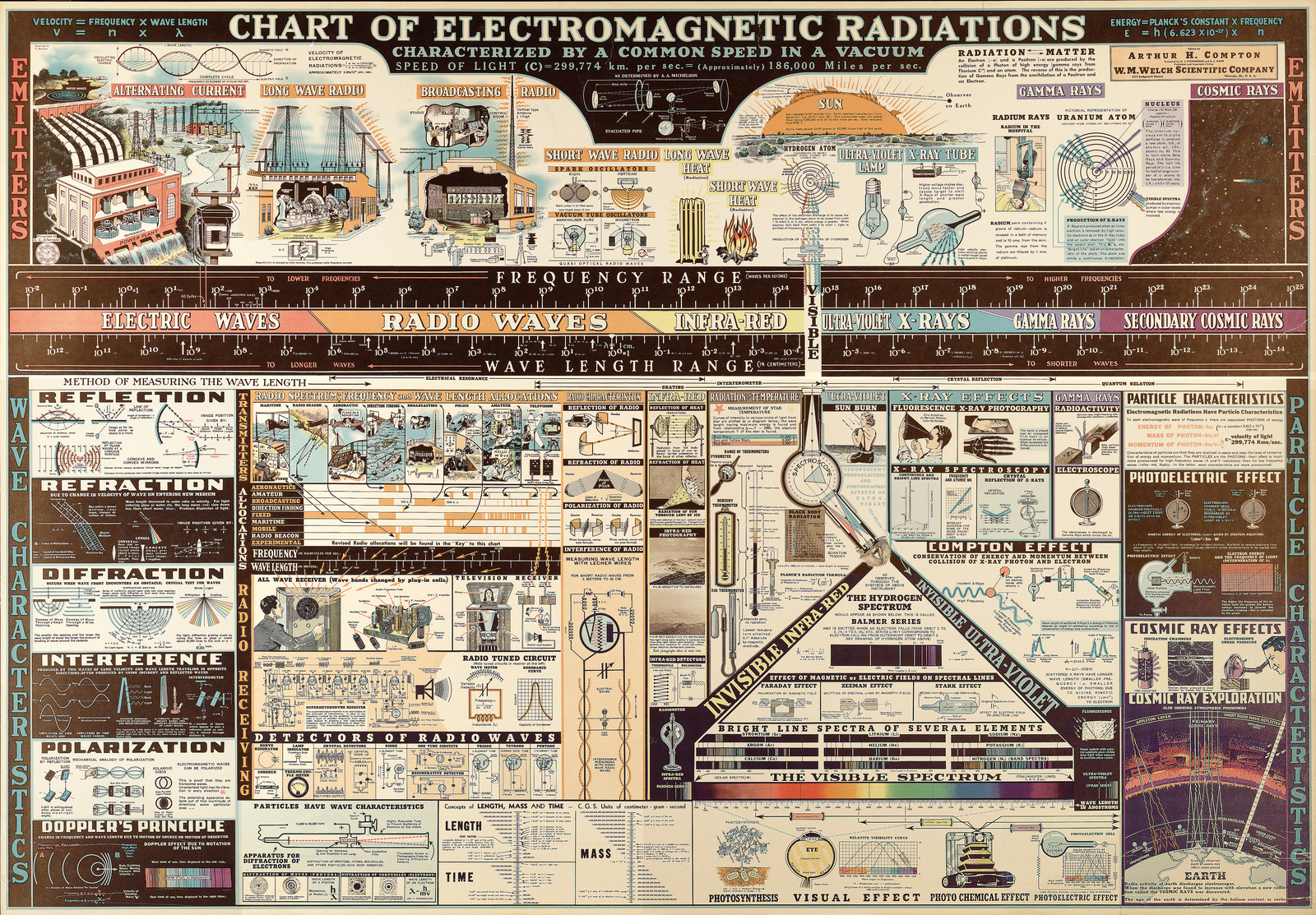
Lastly, I’d like to end this week’s segment with a fantastic piece of science history. A beautiful chart explaining electromagnetic waves from the 1940’s has been brought to us by Popular Science.

EM waves

Leave a comment

Filed under Winning Science

Winning Science August 28, 2013

This is my favorite kind of science. I love it when stuff is smashed, broken, blown up or otherwise destroyed. This NASA drop test was performed locally at the NASA Langley Research Center in Hampton, VA.  Dropped from a height of 30 ft. the chopper crash was intended to determine the impact on an airframe during a 30 mph crash.

nasa_logo

They even used an Xbox Kinect to help record the crash. Way cool.

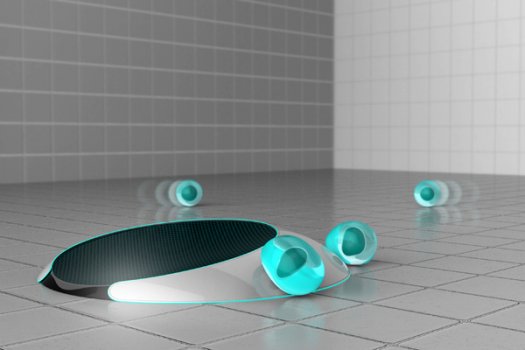
I hate to vacuum and dust. I’ve thought about getting a Roomba, but I’ve never thought they were very practical. This however, might be something interesting. This Roomba like device sends out little drones covered in a gel that makes dust stick to it. The drones then return to the base station and get the dirt removed.

jellballs4

If dirt sticks to the gel, I wonder what else does. Am I going to find one of these things rolling away with my cat attached to it?

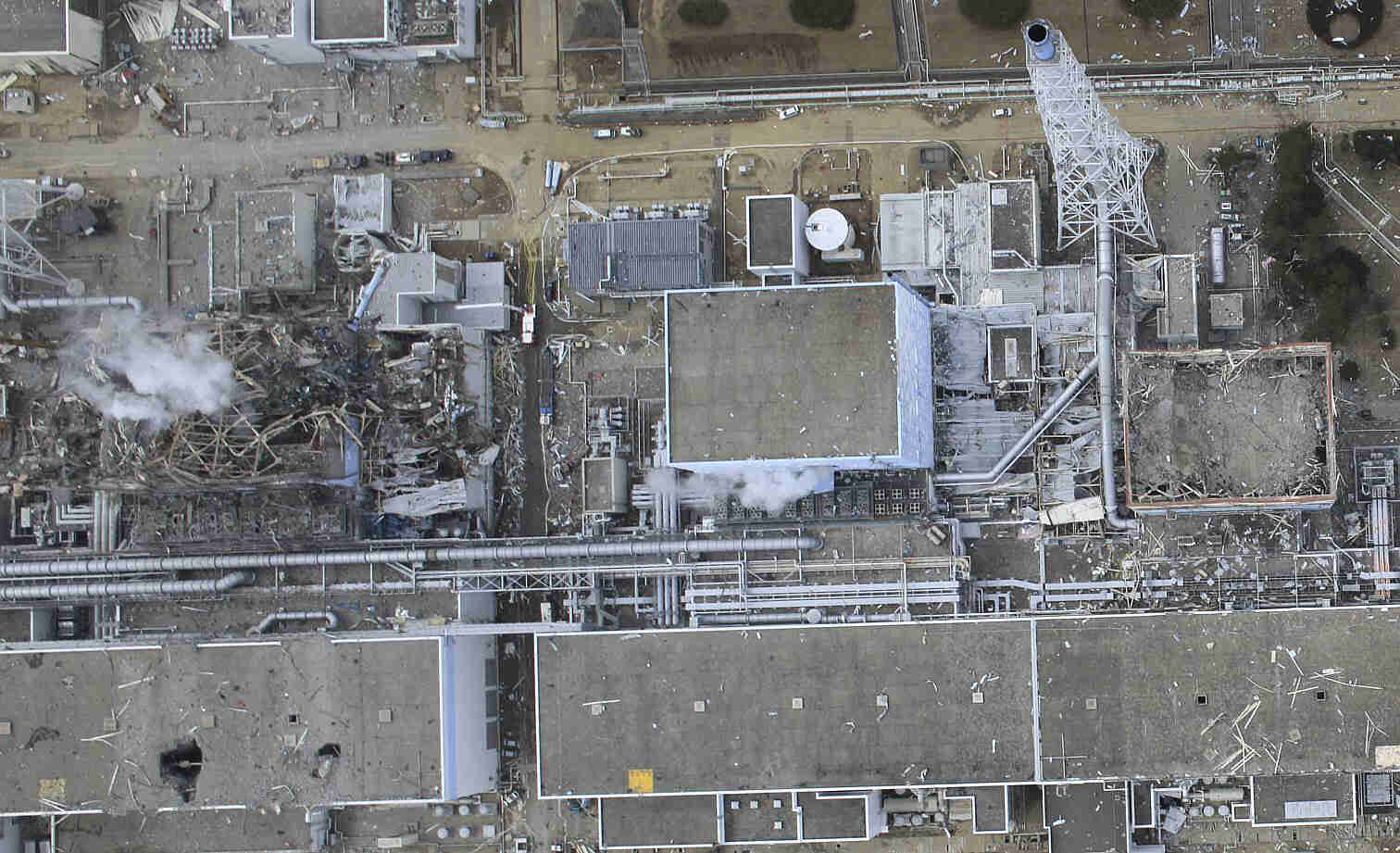
The events that lead up to the March 11 nuclear disaster at the Fukushima Daiichi plant are pretty well known at this point.  Unlike several previous nuclear accidents, there was no hiding this one. While the events unfolded on international TV, we are only just now beginning to evaluate the long term effects of this unparalleled event. Popular Mechanics has an article out this week that talks about some of the potential effects of radioactive water and some of the possible technologies that can be used to combat the threat.

An aerial shot of the post-accident Fukushima Daiichi plant.

An aerial shot of the post-accident Fukushima Daiichi plant.

I also enjoyed the fact that the article was written by someone who was at one point associated with the US Navy nuclear program. It gives me confidence that he knows the subject matter (plus I understood what he was talking about).

Leave a comment

Filed under Winning Science