Category Archives: Winning Science

Winning Science October 29, 2013

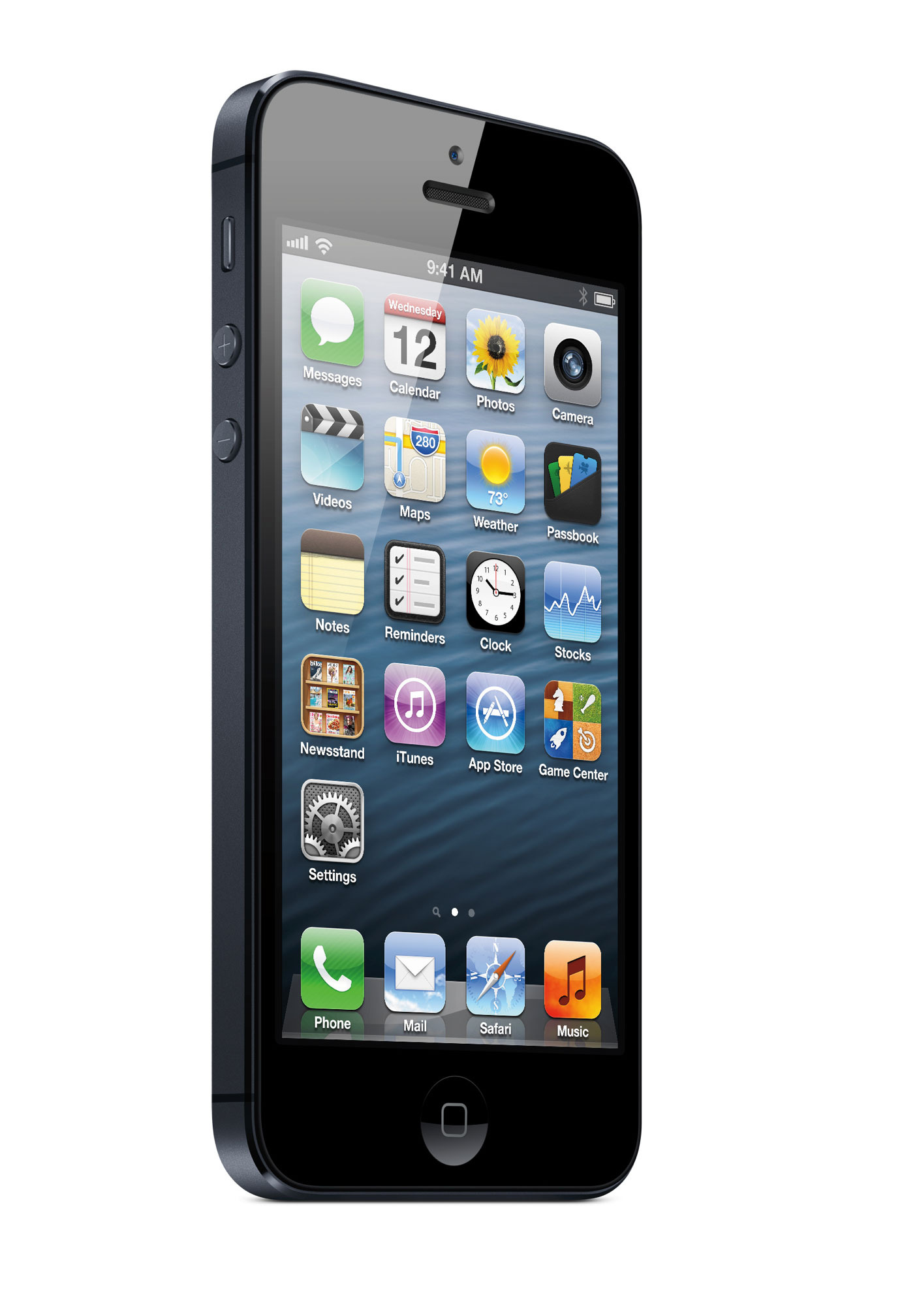
Ever wonder why it always seems that your awesome smartphone or computer starts to fall apart right about the same time that the manufacturer announces a brand new model? If the answer is yes, then you are not alone. The New York Times’ Technology section attempts to tackle this mystery. It turns out there is a very fine line between making a quality product that everyone loves and “planned obsolescence”. Stray a bit too far either way and your bottom line will be taking a considerable hit.
apple-logoIt’s reassuring to know that I’m not losing my mind when I notice these things.

The US Navy’s newest destroyer, the USS Zumwalt, has made its way into the water finally. The Zumwalt, named for former Chief of Naval Operations Admiral Elmo R. Zumwalt Jr., is significantly larger than its predecessor but requires a much smaller crew. While technologically advanced, the design program met with considerable problems and cost a lot more than the original budget, much in the way the earlier Seawolf Class Fast Attack Submarines did. Also like Seawolf,  the program was cut down to just three ships.

www.sinodefenceforum.comThe Zumwalt boasts advanced radar systems, a new 155mm gun, an electric propulsion system, significant computer automation, and a stealth hull.

Popular Science finally answers a question I’ve always had about the Apollo missions. What happened to Apollo 2 and 3? We all know about the tragic fire on Apollo 1 and the investigation that followed, but what happened to the next two missions? As it turns out, they never happened. Each of the Saturn rockets to be used was assigned to a mission, and so Apollo 2 and 3’s rockets were never used, due to the massive redesigns following the fire. With the introduction of the new and improved Saturn rockets, the mission number was maintained and the next unmanned Apollo flight became Apollo 4.
en.wikipedia.orgApollo 4, 5, and 6 were all unmanned test missions that were conducted prior to resuming manned missions with Apollo 7.

Leave a comment

Filed under Winning Science

Winning Science October 9, 2013

While we here at Therefore I Geek are focused on NYCC (I still have to finish laundry…) the science community is focused on their highest awards, the Nobel Prize. Named for inventor Alfred Nobel and originally funded with the majority of his estate, the awards are given to those to confer the “greatest benefit on mankind”.  Most people are familiar with the Peace Prize, however prizes are also awarded in Physics, Chemistry, Physiology or Medicine, Literature, and Economics. Today we’ll look at the winners in Physics, Chemistry and Medicine.

This year’s physicists are probably some of the most well known physicists in the world, and certainly the best known of this year’s Nobel laureates.  François Englert and Peter Higgs are well known for the Higgs Boson.  The Higgs Boson is frequently known as the “god particle” because it may be the key to explaining why particles, such as electrons, have mass. These particles provide the mechanism by which Einstein’s Theory of Relativity equates mass to energy.

http://xkcd.com/812/

This is what happens when you look for the Higgs Boson.

An amusing side note, the Nobel Committee was unable to get in contact with Peter Higgs and there is a distinct possibility that he doesn’t even know he has won the prize.

In Chemistry, the Nobel Prize goes to Arieh Warshel, Martin Karplus, and Michael Levitt who pioneered computer modeling of chemical reactions. This eventually allowed for solving complex chemical equations without having to consult dozens of books for information. These programs were first used to model how enzymes break down toxins in the body.

www.macworld.com

So much power!

The programs were first written in the 1960’s when the most powerful computers in the world were less powerful than my iPhone.

James E. Rothman, Randy W. Schekman, Thomas C. Südhof have been awarded the Nobel Prize in Medicine. These men are responsible for determining the mechanism that cells use to get the right stuff to the right place at the right time.  Each of the winners was responsible for figuring out a piece of the mystery.

www.tescfoundation.org

It’s the cellular version of “what can brown do for you”

It’s like a global logistics network, but contained completely within a cell.

Leave a comment

Filed under Winning Science

Winning Science October 2, 2013

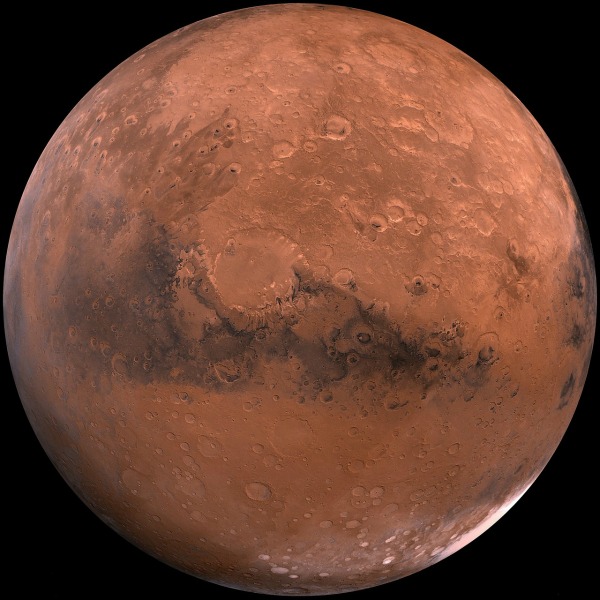
Although not all of us are feeling the pain of the current government shutdown, the folks at NASA sure are. With 97% of NASA employees furloughed, a continued shutdown may impact NASA’s next unmanned mission to Mars. The longer the shutdown runs, the more it will eat into the narrow launch window for MAVEN. If MAVEN is unable to launch in its current window, it will have to wait two years for the next one, and even then the probe will be operating at a reduced capacity due to solar activity.

blogs.smithsonianmag.com

I’d like to know where exactly one stores a Mars probe and rocket. Why do I feel that its going to be sitting in some dude’s garage for two years?

Since last year the FDA has a new, accelerated drug approval process. The “breakthrough therapy” designation is meant for drugs which treat serious or life threatening illnesses, like cancer. Drug companies have embraced the new process, filing almost one hundred applications, half of which have been denied. While that doesn’t sound good, it makes me feel reassured that the FDA is not rushing every drug that applies, and that they’re making some actual evaluations.

www.nbcnews.com

This is not the correct use for the “breakthrough therapy” process. Don’t even think about it.

I’m also glad they’re only allowing drugs for serious conditions to to be considered. Its not like we need a rush approval for a new version of Viagra.

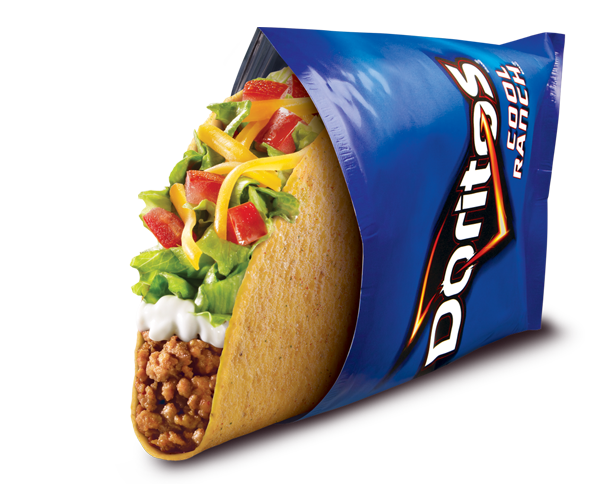
Finally, the New York Times has an amusing video out about why Taco Bell’s Doritos Tacos sell so well. This may not seem like science, but in fact there is tons of science behind this. These tacos appeal to us on several different levels and are designed to make you physically enjoy them and then want more.

http://www.tacobell.com/food/tacos/Cool_Ranch_Doritos_Locos_Tacos_Supreme

Om Nom Nom Nom!

I may or may not now have a case of the munchies.

Leave a comment

Filed under Winning Science

Winning Science September 18, 2013

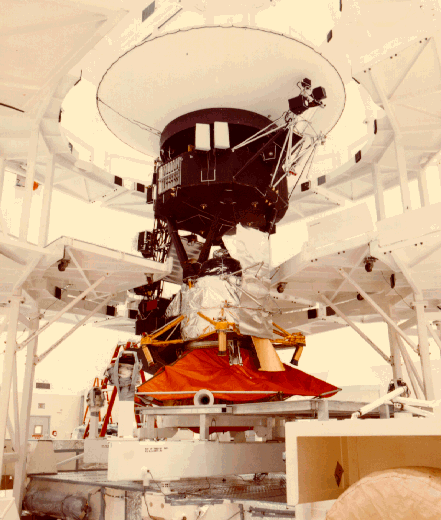
I know we’ve all heard this one before, but Voyager 1 has officially left the solar system, at least until they make another announcement. Launched in 1977, Voyager 1 is the first manmade object to travel beyond the confines of our solar system and into interstellar space. Considering Voyager 1 has taken 36 years to get to where it is, it’s not likely its going to have any company any time soon.

voyager11_large

This thing is getting some great gas mileage.

Keeping with our space theme, we have news from SpaceX. The commercial space flight company is going to be performing a second static test of their Falcon 9 rocket. Due to some anomalies (love that word, especially when it involves space) during the last test, they’ve decided to perform another one. Unfortunately for them the test will be pushed back until the end of the month due to Air Force’s testing of ICBMs.

At least it turned out better than the early days of NASA.

Today is the release of iOS 7, which by the time you are reading this has probably somehow bricked my phone. But for those of you who are not as unlucky as I am, we’ve found a handy little guide to help you prep your phone prior to updating. They provide some common sense kind of stuff like backing up your pictures and videos just in case.

ios7_homescreen

Well at least my phone will be a very attractive looking brick.

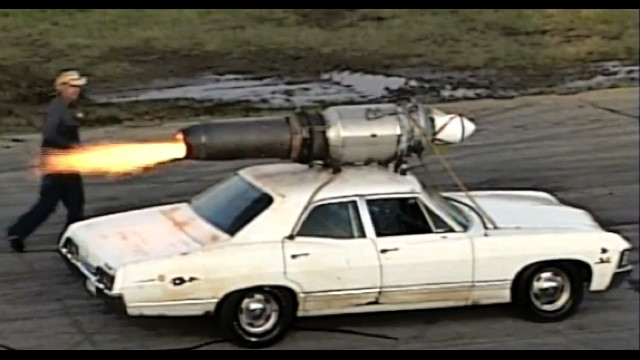
Finally, Popular Science has answered a question that I’ve had since I was a kid; What happens if you put rocket fuel in your car? Turns out, not much. I’m kind of disappointed

It's not nearly as funny as this will end up being.

It’s not nearly as funny as this will end up being.

Leave a comment

Filed under Winning Science