
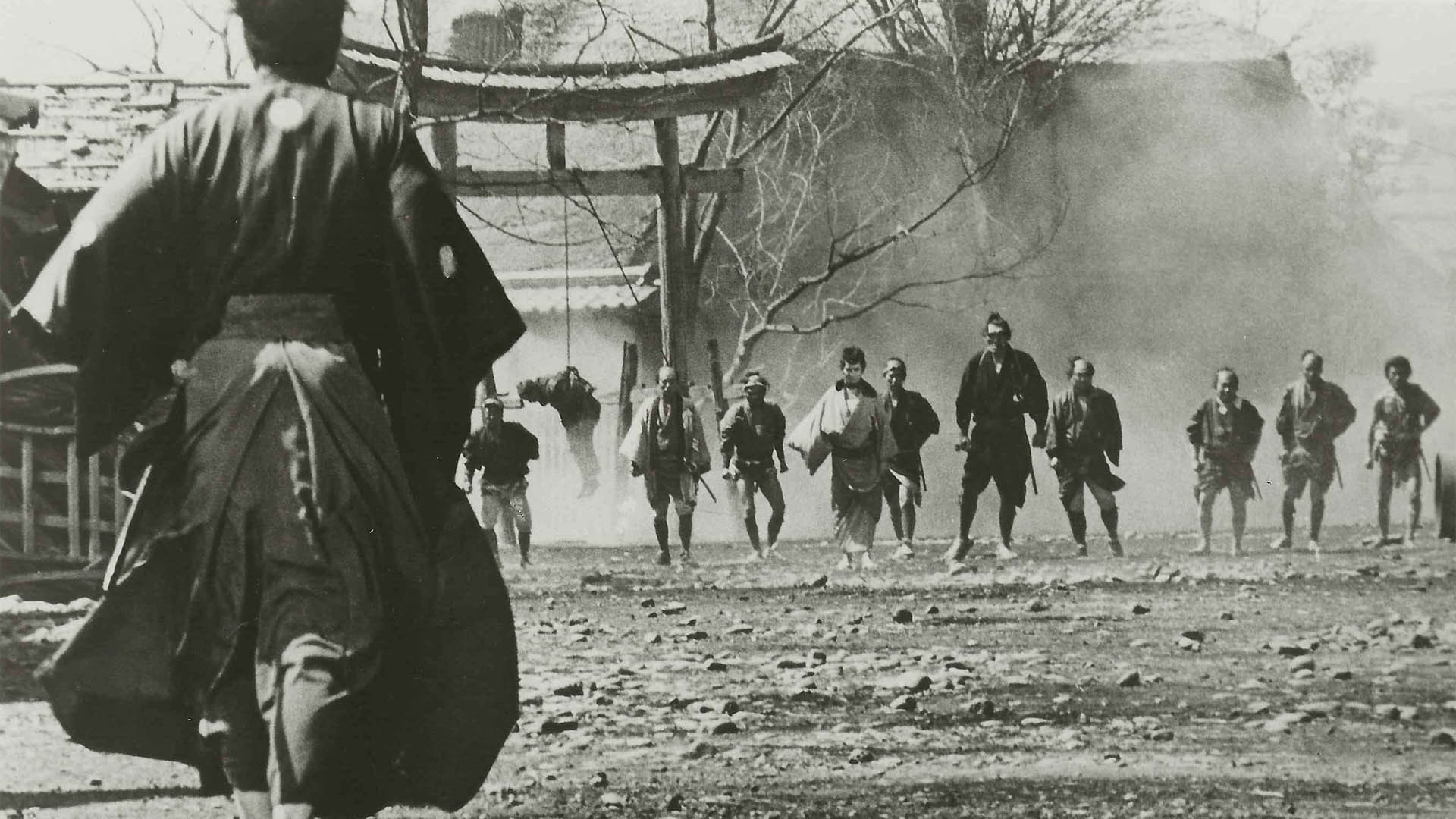
Several years ago, staff writer Joseph De Paul, better known as Dude, and I were hanging out with one of our professors when the topic of comedians came up. At the time there was a big huff about Dane Cook being accused of stealing jokes and so Dude posed the question “If Dane Cook stealing jokes is wrong, how do you justify someone like Sergio Leone basically ripping off Yojimbo to make A Fistful of Dollars?” Our professor paused for a moment and then replied, “Well, Leone is a genius, and Dane Cook [insert XXX rated act].” Dane Cook insults aside, our professor hit on something much deeper than stolen jokes: the idea that there are no new stories.
Yojimbo
What our professor was getting at is that while Yojimbo and A Fistful of Dollars are essentially the same story, the way in which the stories are told make them different and unique. In Mr. Cook’s case, he was just stealing other people’s material without any attempt to make it his own. The concept of taking an idea and doing something new and different with it, in an effort to leave your own impression on it is a very old one, ancient even. Take the Romans for example. While there were Roman gods before the addition of the Greek pantheon, most of the Roman gods commonly known are those they “acquired” from the Greeks. Sure, back in ancient times it was easier to come up with new material because there was so much less to recycle, but even then it happened.
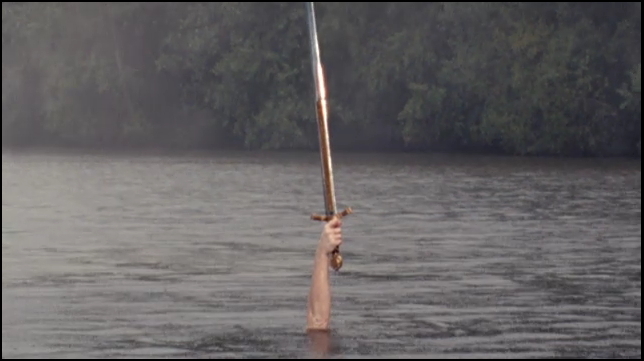
In a recent post I discussed why I think Star Wars is relevant; a large part of my reasoning was based on the idea that Star Wars, especially the original trilogy, taps into the universal myths that we as a race keep using. Joseph Campbell, a mythologist and writer, spent his entire career digging into the idea that new stories are just recycled old stories, and I really think he was on to something. Just looking at A New Hope, one sees elements of many common tales that the audience would recognize, if they took a minute to look for them. Luke’s story is that of any number of heroes, such as King Arthur, who journey from boy to man while undergoing a quest of some kind. The lightsaber plays even more into the Arthurian myth. While not exactly Excalibur or the Sword in the Stone (yes, they are two different swords) the lightsaber represents the same mythical weapon that can be found in that myth and many others. Hell, the Sword in the Stone itself is derived from an even earlier Norse myth about a sword that Odin put in a tree.
The Lady of the Lake Lifts Excalibur
So if there aren’t any new stories, why does it feel like there are? Well, like I said before a lot of that has to do with what the storyteller chooses to do with the old story. When the storyteller simply retells the same story with new names slapped on the characters, that really fails to stimulate readers, but when that same story is taken in a unique direction, then it begins to have a life of its own. Maybe the writer adds a new twist or starts a character from a different place. Whatever the new part is, it has to become an integral part of the story without making itself too obvious. Listening to a lot of NPR, I’ve found that when a reviewer really likes something, the phrase “a seamless blend” comes up with a startling regularity. This has become more than a little cliché at this point, but it is an accurate description of what it’s like when stitching new material into an old tale actually works. There is such a flawless joining of old and new that the audience has a difficult, if not impossible, time discerning what is original and what is not.
The best modern writers, filmmakers, game designers and artists are those who are well enough versed in what has come before them and creative enough to weld these various, random pieces of material together. Game of Thrones, as one of the most popular franchises right now, is a great example. In a little over a month the fifth season of the HBO show will premiere, to what will most certainly be a record breaking audience. What many people don’t realize is that much of the series is taken directly out of the pages of history books. The general premise of the series, several powerful houses warring for the throne, is basically the English War of the Roses. The infamous Red Wedding is loosely based on an event in Scottish history. Anybody can go out to a library and find books on these subjects, but the existing, historic material has knit into an innovative and ingenious retelling that has made Game of Thrones a best-seller.

Screenshot from the War of the Roses video game (via IGN.com)
Though it may seem disappointing that there really aren’t any new stories anymore, it’s important to remember that the story itself is much less important than how the story is told. Each storyteller has something they can bring to the story to make it theirs. Even a bad story can be worth hearing if it is told well.


 Therefore I Geek