Being relatively new to comics, I’ve noticed several misconceptions that the general public seems to have about comic books. While the reasons for these misconceptions vary from person to person, they really do the industry a disservice. Comics are often pushed to the fringes of pop culture because people who might otherwise be interested in the content are basing their opinions on bad information and missing out. I’d like to take a few minutes and address some of those and see if we can clear things up.
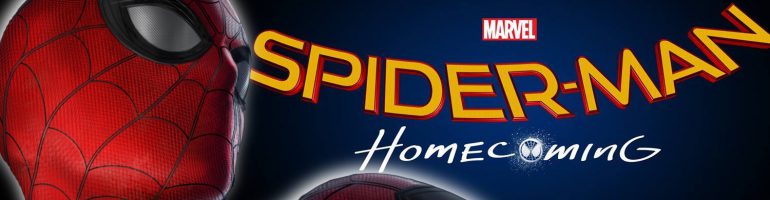
Misconception #1: Comic books are all about superheroes in tights and capes.
Not a cape to be found.
Some of my favorite comic books have absolutely nothing to do with superheroes. Sure, most of the books put out by Marvel and DC involve superheroes (though not all are wearing costumes), but those are not the only publishers of comics. Both Image and Vertigo are publishing great books that feature characters other than superheroes. In fact, Image has been driving a wonderful resurgence in the science fiction comic book. There is a comic book to fit every reader’s tastes; it’s just a matter of finding it.
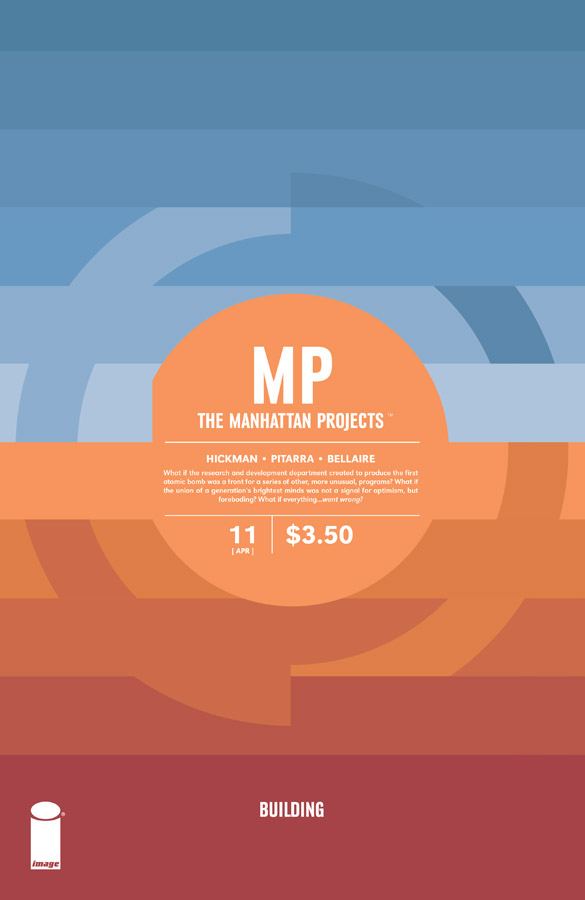
Misconception #2: Comic books are for kids.

There is no possible way this book is for kids.
This is one of two misconceptions that actually has some basis in reality (see misconception #3 for the other). Back in the beginning, comics were meant to be a cheap and disposable form of entertainment for kids. They were full of action and were usually short, self-contained stories that kids could easily digest. This persisted through the Golden Age and into the early Silver Age, (though even at that point there were comics, like those published by EC Comics, that were meant for an older audience.) By the time comics reached the Modern Age, the idea that comics are strictly for kids was a total fallacy. Recently there has been an upsurge in the number of “all ages” titles, which is happening parallel to an increase in mature reader titles. Now more than ever there are comics for everyone, regardless of age.
Misconception #3: Number 1 issues and first appearances are always valuable.

It’s distinctly possible that the toilet paper I bought last week is worth more than my copy of Youngblood #1.
I have seen comic book store owners literally cringe when one of their patrons grabbed a new book and said, “Well it has to be valuable, it’s a #1 issue!” Only two things could make a number one issue or first appearance valuable. The first appearance of a character could be valuable if the character is really popular, such as Deadpool. His appearance in New Mutants #98 makes that book worth more, simply because it’s the first time he shows up . The second thing, which is most often the case, is that the comic itself is rare. Most of the comics from the 1970s, let alone earlier decades, just didn’t survive. Sure there were tens and sometimes hundreds of thousands of copies printed, but most of them were thrown out, or lost or damaged beyond help. Those few copies that did survive are now worth a lot of money because there are only a few of them. That number one that just came out last week isn’t likely to be worth any money in twenty years, so it is best that comic collectors stop thinking it will be. (Having said that however, it still might be an awesome story and worth having for its own sake.)
Misconception #4: A good collector owns every issue of a comic series

This series use to be so good.
This one is particularly difficult for me. I have OCD and I love collecting stuff—always have. The problem is that I end up buying comics that I don’t read simply because I don’t want to have any issues missing from my collection. Books that were once great may have fallen on hard times, but every month I buy the next issue so I don’t have any gaps in my little spreadsheets. The guys from iFanboy have the right idea with this when they say, “If you’re not reading the book, or not enjoying it, then stop reading it. If it gets good again, then start back up.” It’s super simple.
Misconception #5: It’s impossible to start reading comics because there is too much history.

You don’t need to know every little detail to enjoy a good story.
As someone who jumped into comics seven years ago, I honestly understand this problem, but it’s really not as serious as people make it out to be. Yes, there will likely be some confusion the first time a reader picks up an issue of Uncanny X-Men. It is very likely they will not know or recognize a number of the characters. It’s OKAY! I learned to do my level best to figure out what’s going on and was surprised at how easily I picked up more as I went—and others can do this too. There are also great resources for the new comic book readers that are readily available. Marvel and DC both have wiki pages that provide a brief character history and a list of their key issues for more in-depth study. Wikipedia is surprisingly useful as well. Fellow comic readers and friends are also a great resource. They can help explain things and point you in the direction of other great stuff. Also keep in mind that while there might be decades of comic history, a significant portion of it wasn’t any good. If you’re still concerned, then look for good jumping on points like a new #1 (remember misconception number three—these usually are not rare) or the beginning of a new story arc.
There are plenty of other misconceptions about comics, but these are some of the ones that I have found more ridiculous and most easily debunked. Are there any misconceptions that really drive you nuts? Let us know in the comments section and help spread the word. Together we can fix these problems. Once we’re done with this, we’ll take a look at world hunger.


 Therefore I Geek
I’ve been reading manga for years but I’m just now starting to get into American comics, because my library has a lot–which is great because it can be an expensive hobby; I know I’ve spent hundreds of dollars on manga.
I find the comic world is a little intimidating for us late-comers (see #5 especially), so I’ve tried to find a good point to jump in from–for me it was graphic novels of books I’d read, or characters I already knew from cartoons.